

Hormuz Calm, But Trapped Seafarers’ Nightmare Lingers
POLICY WIRE — Washington D.C., USA — The quiet drone of cargo ships through the Strait of Hormuz these days fools exactly no one who has stared down a missile from a trapped tanker. Global powers,...

POLICY WIRE — Washington D.C., USA — The quiet drone of cargo ships through the Strait of Hormuz these days fools exactly no one who has stared down a missile from a trapped tanker. Global powers, bless their hearts, declare tensions eased, shipping lanes clear. But peace, it turns out, is a rather flimsy construct for those who’ve already seen its brutal inverse up close and personal. Especially when you’re an Indian mariner caught between giants in a forgotten corner of the Gulf.
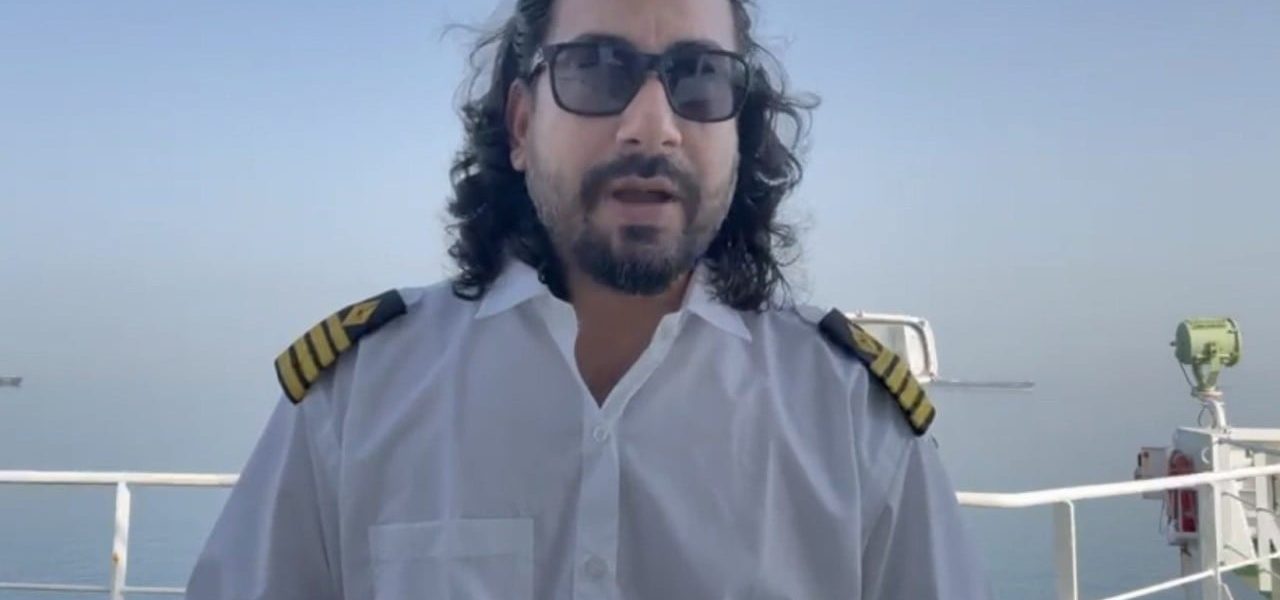
It wasn’t a sudden storm that ensnared Captain Raman Kapoor. Nor a rogue wave. Just the brutal pronouncement, casually dropped like a depth charge, that the United States — and Iran were squaring off. Kapoor was just loading oil at an Iraqi port—doing his job, earning his pay—when the news hit like a gut punch. Within mere hours, his massive vessel, an unsuspecting steel beast, was caged north of that infamously strategic choke point, the Strait of Hormuz. Twenty-four souls were on board. They were suddenly spectators, then potential targets, as munitions started etching fiery arcs across the predawn sky. [QUOTE_PLACEHOLDER]
And what followed wasn’t just fear. It was a suffocating dread. We were stuck inside the war zone and everyone was so scared and clueless about what to do, Kapoor, then 48, recounted, his voice still carrying the ghostly echo of that terror. We all felt so trapped. We were helpless, totally helpless. They stayed that way. For a numbing, grinding, eternity of 75 days. Seventy-five days where the world seemed to forget their very existence, their every breath a borrowed one.
For sailors like Kapoor, men hailing from the subcontinent – places like India, Pakistan, and Bangladesh – the Middle Eastern waters aren’t just shipping routes; they’re lifelines. They’re where millions earn the living that feeds families back home, families who’ve wagered everything on their absent men’s precarious work. It’s a vast human network, reliant on the smooth, unimpeded flow of global commerce. That region isn’t just oil. It’s also opportunity, fragile — and constantly under threat. A mere disruption, even a hint of it, sends shivers down not just market spines but across entire village economies from Karachi to Kolkata.
Because that’s the rub, isn’t it? Governments sign treaties, diplomats issue statements, — and oil flows. Everybody sighs in relief. But the trauma of being held hostage by geopolitics? That doesn’t just disappear with a handshake. Kapoor’s crew might be back on land, or perhaps sailing other, less infamous, seas now, but the imprint of those 75 days is a permanent tattoo on their psyches. That kind of stress doesn’t evaporate when a general declares mission accomplished. It settles, it festers, — and it transforms you.
It’s important to grasp the sheer scale of the disruption these conflicts wreak. Rough estimates suggest that nearly one-third of the world’s liquefied natural gas and almost a quarter of total global oil consumption passes through the Strait of Hormuz, according to U.S. Energy Information Administration (EIA) data. When that flow gets constricted, even momentarily, the repercussions aren’t just about commodity prices. It’s about global supply chains seizing up. It’s about families back in Kerala or Sylhet losing remittances. It’s about a fragile global economy, perpetually teetering on the brink, absorbing another shockwave that disproportionately impacts its most vulnerable participants.
But who hears the stories of the forgotten twenty-four, stuck on a tanker for months? Who charts the psychological costs? Not the UN, not the major news outlets, typically. Just the occasional, dry-eyed journalist, piecing together fragments of shattered lives. The geopolitical stage, it seems, has little time for individual suffering when the stakes involve grand strategic maneuvers and energy security. And that, you’ve got to admit, is a rather depressing observation, isn’t it?
What This Means
The geopolitical equilibrium in the Strait of Hormuz, ever precarious, fundamentally relies on an unspoken agreement that commercial shipping, regardless of global tensions, enjoys unimpeded passage. The trauma experienced by Kapoor and his crew isn’t merely an isolated incident; it’s a stark indicator of just how easily that agreement can unravel. The economic implications are self-evident: any significant future closure of the Strait would trigger a global energy crisis of unprecedented proportions, paralyzing industry and sparking inflation far beyond the immediate region. Politically, it showcases the dangerous dance between regional powers and global hegemonies, where the ‘human element’ — in this case, a crew of civilian mariners — becomes collateral damage in high-stakes brinkmanship.
For South Asia, the Gulf serves as a critical economic artery. Interruptions there disproportionately impact the remittances vital to the economies of countries like Pakistan, India, and Bangladesh, contributing significantly to their GDPs. This situation highlights a profound human rights issue, too. International law often struggles to protect non-combatant civilians caught in zones of conflict, particularly those in transit on global waters. We might ‘reopen’ a strait, but we rarely account for the mental scars of those who navigated its terror. There’s a persistent, perhaps even wilful, oversight concerning the long-term mental health of such ‘collateral damage,’ indicating a systemic failure to fully understand, or adequately address, the costs of contemporary geopolitical strategies.