


Collegiate Athletics: Talent Markets & Policy Power
Collegiate sports are a multi-billion dollar talent market. Explore how recruitment shapes university policy, state economies, and athlete welfare globally.

POLICY WIRE — Washington D.C. — The confetti might still be settling on last season’s triumphs, but the true battles in collegiate athletics aren’t fought on Saturday afternoons—they’re waged quietly, intensely, in living rooms and on practice fields, over coffee with parents and coaches. We’re talking about the relentless, high-stakes recruitment of young talent, a multi-billion dollar enterprise often masked by the rhetoric of ‘family’ and ‘brotherhood.’
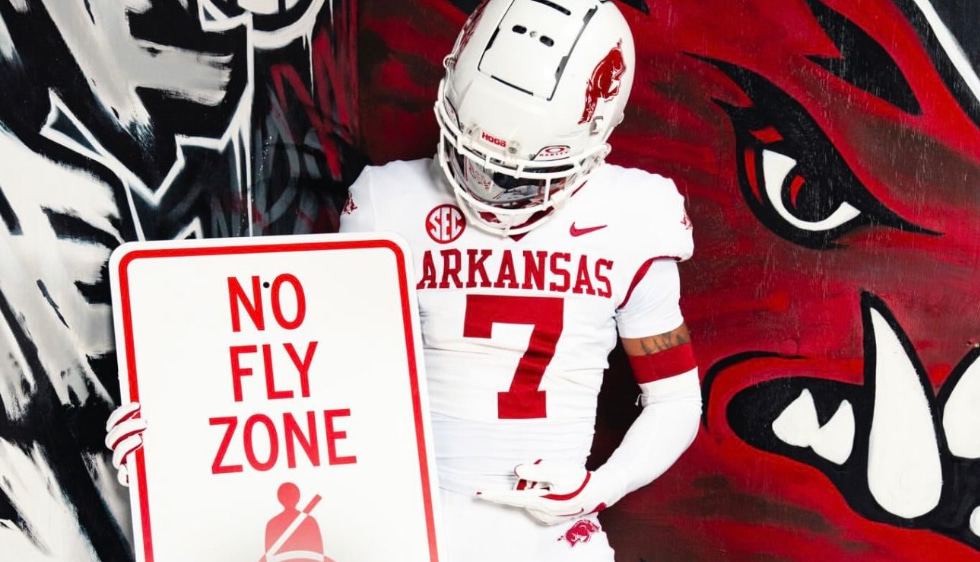
Take Rashaad Silver, a standout wide receiver from Decatur, Georgia. His recent commitment to the University of Arkansas Razorbacks didn’t just add a potent weapon to their roster; it peeled back another layer on a sophisticated, globalized talent market that shapes university policy, state economies, and—let’s be honest—the very identity of vast swaths of the American South. This isn’t just football, you see. It’s labor economics in shoulder pads, a proxy war for prestige — and revenue.
Silver’s narrative isn’t unique, yet it perfectly illustrates the forces at play. His decision wasn’t simply about an athletic scholarship. It was a calculated risk assessment, a career path forged by perceived opportunity, relationship building, and a brand promise. “Everyone talks about the big-name schools, sure,” Silver told Policy Wire, reflecting on his decision. “But I looked past the glitz. I saw a place where coaches genuinely invested in me, not just as an athlete, but as a person. And honestly, a clear path to playing time? That changes everything for a kid with my ambitions.” A pragmatist, clearly, beyond his years.
His prior relationship with Arkansas assistant coaches, particularly those who’d pursued him during their tenure at other institutions, spoke volumes. Consistency matters. In a world saturated with ephemeral promises, a familiar face delivering a sustained pitch holds considerable weight. That persistence pays off, and it’s a lesson in long-term engagement that policy makers across industries could well observe.
Ryan Silverfield, the first-year head coach at Arkansas, certainly understands the strategic value of such deep, personal investment. “This isn’t just about X’s and O’s; it’s about forging young men, providing a trajectory beyond Saturday afternoons,” Coach Silverfield shared with us, in a phone conversation clearly framed by his hectic schedule. “Rashaad saw that. He felt our commitment to his whole future, not just his receiving stats. We’re not just selling football; we’re selling a comprehensive development model.” That ‘model’ includes everything from academic support to networking opportunities. But let’s be frank, it’s a model primarily fueled by the expectation of wins, which then fuel alumni donations and media rights deals.
Because, for universities, the stakes are staggering. The National Collegiate Athletic Association (NCAA) reported generating approximately $1.15 billion in revenue in 2022 alone, largely driven by television and marketing rights associated with these athletic spectacles. Talent acquisition like Silver’s isn’t merely about fielding a competitive team; it’s about securing a piece of that massive financial pie. It’s a microcosm of the global chase for high-skill labor, where the most competitive entities invest heavily in attracting and retaining top-tier human capital.
📄 POLICY WIRE WHITEPAPER PUBLISHED: PAKISTAN'S NATIONAL SECURITY POLICY PRIORITIES
👉 READ BY CLICKING HEREThis pursuit of raw potential isn’t confined to American sports. Across the Muslim world, from burgeoning football academies in Qatar to national cricket teams in Pakistan, the drive to identify and cultivate elite talent is a growing obsession. Institutions, often state-funded, are pouring resources into infrastructure and coaching, mimicking the collegiate athletic pipeline with an eye towards international competitiveness and, perhaps more significantly, soft power projection. Islamabad, for example, frequently funds overseas scholarships for promising young athletes, a deliberate move to enhance its national sports profile and foster international linkages. It’s all part of the same game—securing the future, one talented individual at a time.
Silver himself pointed to the broader picture. “After college, whether I’m blessed enough to make it to the league or not, I’ll have a great degree and a lot of connections.” And there it’s: the dual promise of athletic glory and academic leverage, an escape velocity for socio-economic mobility. It’s what parents dream of, — and what recruiters expertly sell.
What This Means
Silver’s commitment highlights several policy implications. Firstly, it underscores the persistent role of personal relationships in an increasingly digitized recruitment landscape. The human element, it seems, can’t be fully automated away. Secondly, it signals the escalating ‘arms race’ in college athletics, where institutions with deeper pockets and more sophisticated outreach mechanisms often gain an edge, further widening the competitive gap. And this dynamic directly impacts state funding decisions for universities, where athletic success can dictate legislative goodwill and appropriation levels. the focus on player development and post-career prospects speaks to a growing understanding—or at least, public acknowledgement—that these young athletes are not just commodities, but individuals whose welfare impacts brand reputation. This could push future policy discussions towards greater athlete welfare protections, echoing demands for better compensation and healthcare even within the legal frameworks surrounding amateurism. The sheer velocity of talent movement, especially when money is involved, always leaves a wake. We’ve certainly seen it before, globally, from tech giants to international sporting bodies. It’s a system, after all, — and systems have consequences. Expect continued scrutiny on these evolving models, especially as players themselves grow more aware of their market value and less willing to settle for less than they believe they’ve earned. We’re seeing it in baseball with MLB’s international scouting—a global spectacle, indeed—and it won’t be long before every top-tier college sport follows suit, if they haven’t already.