

Digital Fissures: How Global Tragedies Get Weaponized in the Disinformation Echo Chamber
POLICY WIRE — Washington D.C., USA — The tremors of the earth aren’t the only forces shaking our digital foundations these days. Sometimes, it’s the insidious rumble of misdirection, a...

POLICY WIRE — Washington D.C., USA — The tremors of the earth aren’t the only forces shaking our digital foundations these days. Sometimes, it’s the insidious rumble of misdirection, a manufactured instability that rattles more than just fault lines. It’s the moment when genuine human suffering in one corner of the globe is plucked, doctored, and then hurled as propaganda in another—a chilling tactic that’s become a standard play in the modern informational battleground.
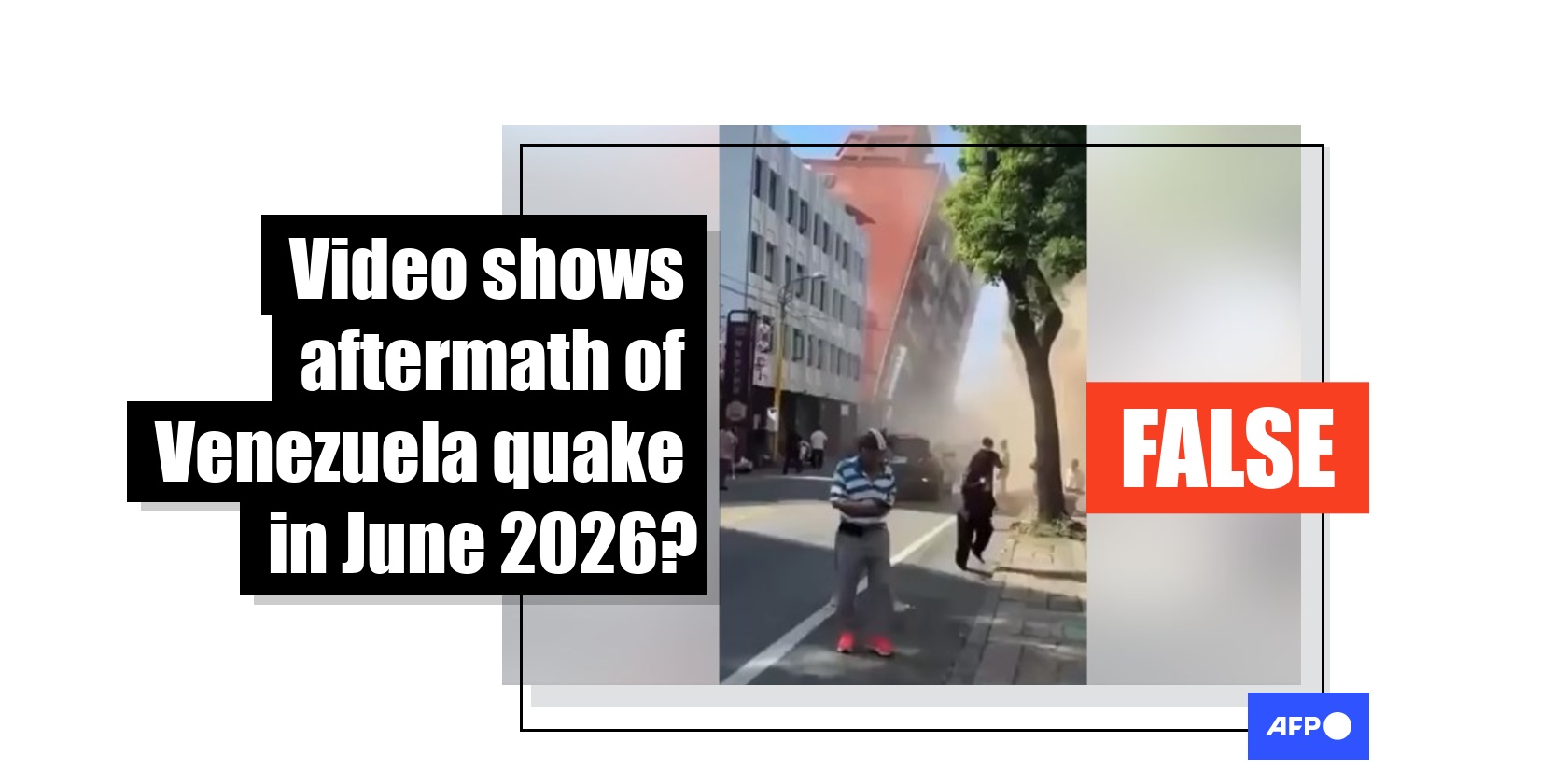
Consider the recent, unnerving spectacle: a building, listing precariously after a truly terrifying earthquake. Horrifying imagery, undeniably. Only, the footage wasn’t from Venezuela, as many prominent social media accounts furiously claimed after recent seismic activity in that Caribbean nation. No, the collapsing concrete — and twisted rebar belonged to a devastating scene thousands of miles away, in Taiwan. A direct lift. An outright lie. And it spread like wildfire across platforms, confusing well-meaning citizens and enraging officials struggling to grasp the true extent of their own calamities.
Why would anyone do this? Sometimes it’s a simple, grotesque grab for engagement, clicks generating meager ad revenue off human misery. But often, it’s something far more calculated. The distortion of natural disasters can serve to amplify perceived instability in a target nation, paint a picture of incompetence, or even divert humanitarian aid from genuine crises. Venezuelan Communication Minister, Freddy Noguera, didn’t mince words. “This isn’t just a mistake; it’s a malicious distortion aimed at sowing chaos in our hour of need,” he stated with palpable fury, his voice crackling over an audio statement released through state media. “They prey on suffering, trying to destabilize us even as we comfort our own.” His frustration? Perfectly understandable.
Meanwhile, half a world away, a Taiwanese Foreign Ministry spokesperson, speaking under customary conditions of anonymity to reflect internal deliberations, offered a weary perspective. “Our heart goes out to Venezuela. Really, it does,” they conceded, their tone a blend of sympathy — and exasperation. “But using our citizens’ ordeal, our genuine tragedy, to fabricate narratives elsewhere? That’s just beyond the pale. It’s truly disrespectful to the memory of those we lost.” And they’re not wrong; it makes a grim situation even grimmer.
The speed at which such fabricated narratives colonize public discourse is startling. A recent study from the Global Misinformation Project (GMP) indicated that over 40% of viral content shared during the initial 24 hours of major natural disasters worldwide contains significant factual inaccuracies. This phenomenon isn’t confined to a single hemisphere; in South Asia, where populations frequently contend with devastating floods or earthquakes, similar campaigns often erupt, complicating relief efforts and breeding public distrust. From Karachi to Colombo, citizens scroll through their feeds, bombarded by often unverified images and videos that play into pre-existing anxieties or political fault lines. It’s a wicked problem—a digital deluge of disinformation that often outpaces verified reports. You really don’t know what to believe.
This digital pollution isn’t some abstract online skirmish. It has real-world fallout. Think about it: during an emergency, every government communication, every piece of aid information, needs to be clear, trusted. When a major earthquake hits—say, in Caracas’ aftershocks—every shred of misinformation could literally cost lives by diverting first responders or spreading panic in the wrong areas. It erodes faith in official channels, fosters cynical detachment, and can even sow discord at a time when unity is absolutely everything. That’s a serious consequence. This isn’t just about ‘fake news;’ it’s about the erosion of a shared reality when we most need one.
What This Means
The cynical appropriation of global tragedies for domestic or international political gain signals a dangerous escalation in the information warfare landscape. For Venezuela, this particular instance adds another layer of complexity to an already tense geopolitical environment, fueling narratives of instability even as its government seeks to project control and competence. Economically, such campaigns can deter foreign investment, influence aid allocation, or even destabilize local markets as panic takes hold. Politically, they can be deployed to discredit opposition movements or bolster government propaganda, hardening societal divisions at a time when collective action is imperative for recovery.
And for countries like Taiwan, routinely navigating complex geopolitical sensitivities, having their tragedies weaponized only adds insult to injury, forcing them to expend diplomatic capital on damage control rather than focusing on actual recovery. This constant vigilance against manufactured narratives extracts a real cost, demanding resources and attention that could be better spent elsewhere. Ultimately, these tactics illustrate a world where truth itself is a commodity, easily manipulated and relentlessly undervalued in the pursuit of power. And for the regular citizen? It’s exhausting, leaving many distrustful of everything they encounter. That’s the real tragedy unfolding online.