


The €1 Billion Question: Can Barcelona’s Next Prodigy Escape Messi’s Shadow?
POLICY WIRE — Barcelona, Spain — Barcelona, a club steeped in the dramatic, seems to have a script it can’t quite shake. They trot out another prodigious teenager, give him the number 27, and...

POLICY WIRE — Barcelona, Spain — Barcelona, a club steeped in the dramatic, seems to have a script it can’t quite shake. They trot out another prodigious teenager, give him the number 27, and within months, the whispering campaign begins: “He’s the next Messi.” This worn narrative isn’t just about football, of course. It’s a sophisticated economic engine, built on anticipation and manufactured nostalgia, and its latest beneficiary – or victim, depending on your outlook – is the undeniably talented Lamine Yamal.
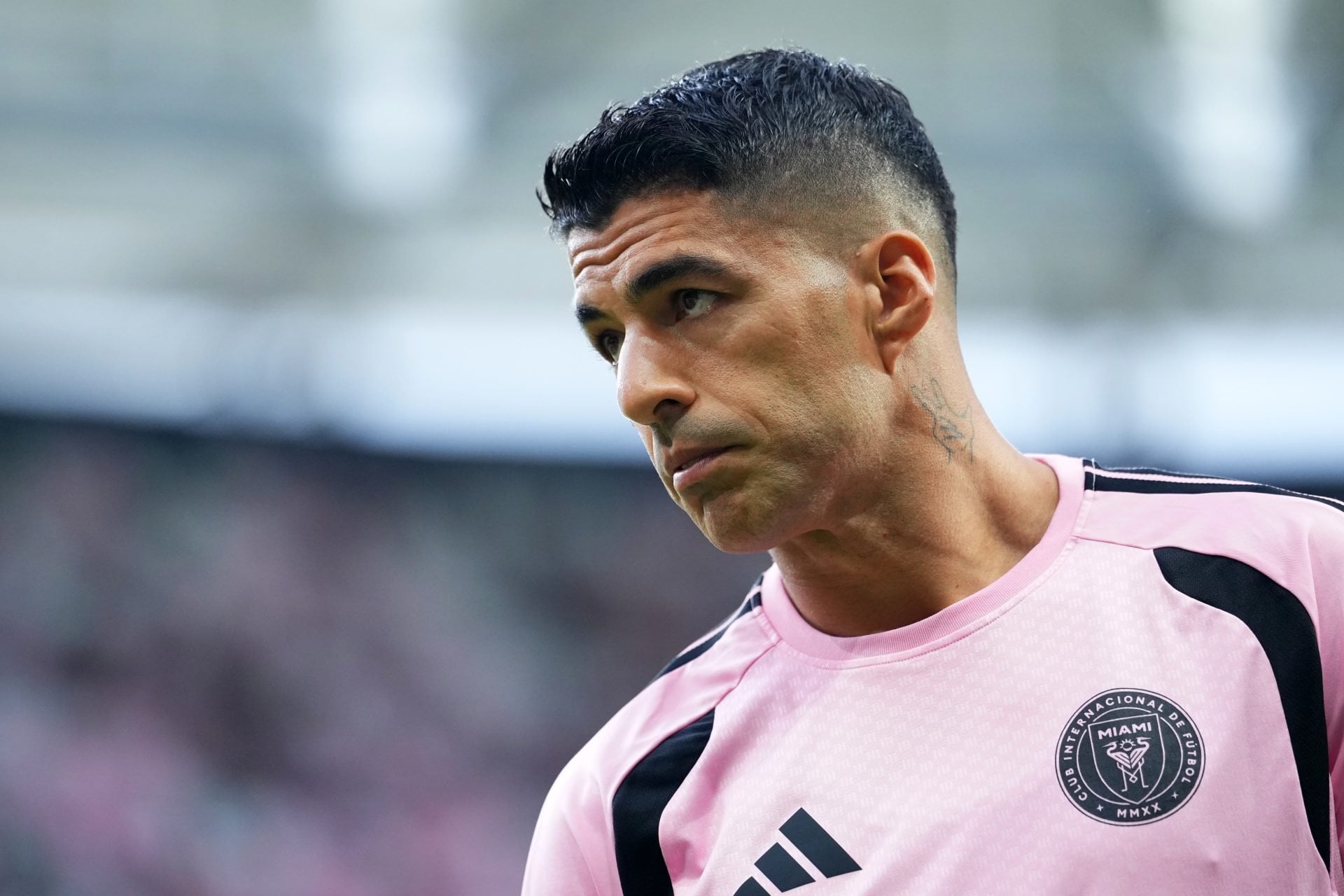
Luis Suarez, the prolific Uruguayan who once tormented La Liga defenses for the Blaugrana, recently chimed in on the clamor surrounding Yamal. He offered cautious praise, applauding Yamal’s flair and his game-changing presence for Spain in the recent FIFA World Cup—a tournament, frankly, where plenty of eyes fixate on every breakout star, irrespective of eventual consequence. Speaking to Mundo Deportivo, Suarez lauded the 16-year-old’s impact, especially noting how opponents invariably re-calibrate when Yamal enters the fray. And it’s true, the kid has a magnetic quality. Defenders, he remarked, tend to draw close, often double-teaming, trying to nullify his particular brand of chaos.
But the former striker, perhaps with the wisdom of hindsight and a hefty dose of realism, swatted away the comparisons to Lionel Messi like an annoying fly. “Comparisons are odious,” Suarez reportedly declared. He insisted they’re “completely different players,” despite the shared left-footed wizardry. His understated plea— “Let’s hope Lamine reaches at least that same level”—felt less like a confident prediction and more like a gentle prayer. That’s because, underneath the dazzling highlight reels, Barcelona operates a global talent enterprise, and the stakes for Yamal are far heavier than mere sporting legacy.
The conversation invariably drifted to Hansi Flick, the club’s new German helmsman. Suarez showered Flick with platitudes, commending his direct communication style and an apparent ability to connect with players on a deeply human level. “He’s an approachable manager who understands what the individual player needs, as well as what the team as a whole needs,” Suarez observed. This isn’t trivial. For a club often seen as a tempest of oversized egos and institutional politics, a stable, empathetic figure might just be their greatest asset. It suggests, quite bluntly, that maybe the Germans finally taught the Catalans how to run a proper organization—or at least how to pretend they’re.
Yamal, of Moroccan heritage, carries a weight that transcends Barcelona’s grandstands. His ascendance is followed intently by millions across North Africa and the broader Muslim world, including ardent fan bases stretching from Morocco to Pakistan. For these distant admirers, his talent isn’t just a testament to La Masia’s academy; it’s a potent symbol of global ambition and cultural pride. This kind of resonance creates markets, fosters brand loyalty, and, not insignificantly, draws billions in advertising revenue.
The numbers speak volumes about the pressure cooker these young athletes inhabit. As per Deloitte’s latest figures, the transfer market value for players under 18 has soared by 35% over the past five years, now routinely exceeding €50 million for top prospects. But here’s the catch: only about 5-10% of those making their debut at top clubs actually carve out sustained, elite careers. That’s a staggering rate of attrition for what are often considered generational talents. These young men aren’t just footballers; they’re high-yield speculative assets, their careers managed with the same cold calculus as any other commodity.
What This Means
Barcelona isn’t simply developing a footballer in Lamine Yamal; they’re investing in a global brand with complex socio-economic implications. The constant comparison to Messi, while superficially flattering, is a calculated marketing ploy—one designed to sustain interest and justify monumental future expenditures. But it’s also a crushing psychological burden for an athlete who’s barely old enough to vote. Dr. Zara Ali, a prominent sports sociologist specializing in youth development, noted, “When clubs tie a teenager’s identity to a legendary figure, they aren’t nurturing a talent, they’re commercializing an aspiration. We’re asking kids to bear the weight of global fandom and corporate sponsorship before they’ve fully figured out who they’re off the pitch.” It isn’t just about how many goals he scores, is it? It’s about his marketability across continents, his ability to embody a narrative that sells shirts and broadcast rights for years. But such narratives are fragile, easily shattered by injury, a dip in form, or simply the inescapable reality that most prodigies don’t become mythical figures.
This dynamic highlights a disturbing trend: the industrialization of elite youth sports. Clubs aren’t merely teams; they’re corporations, managing vast portfolios of talent, each carrying a projected ROI. The human element, the pure joy of the game, seems to recede into the background, replaced by the relentless grind of performance metrics and brand association. And because of the vast amounts of money at stake—the global sports market is expected to reach nearly half a trillion dollars by 2024, per market research firms—the individual player often gets lost in the mechanism. Their welfare, both physical — and mental, becomes secondary to the incessant pursuit of financial gain. Yamal, no matter how gifted, is merely the latest player in a high-stakes, ruthless game.