Europe’s Silent Revolution: Heat Pumps Undercut LNG Giants, Reshaping Global Energy Chessboard
POLICY WIRE — Brussels, Belgium — While much of the world has been focused on missile trajectories, election uncertainties, and the usual parade of geopolitical thunder, a quieter, more profound...

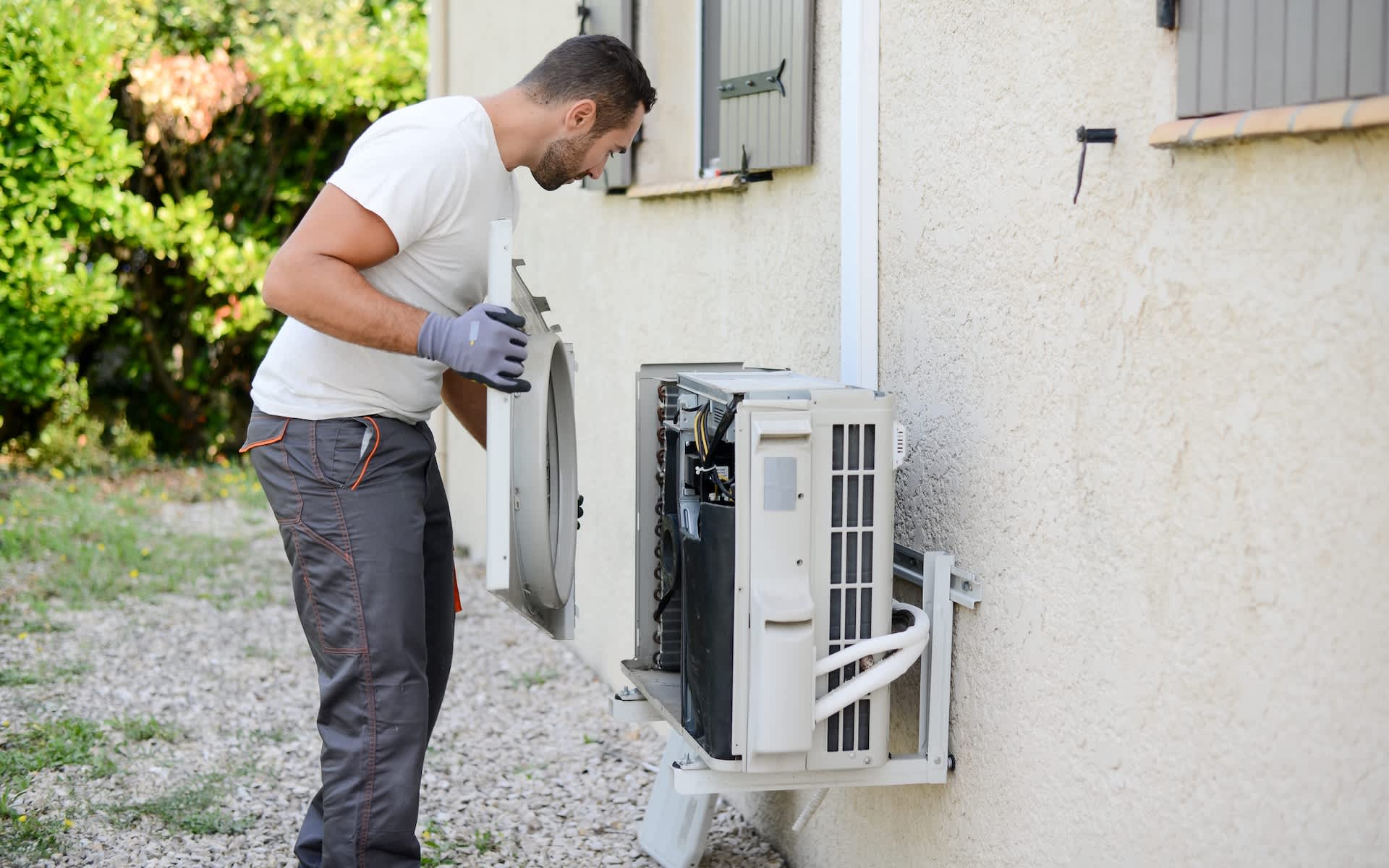
POLICY WIRE — Brussels, Belgium — While much of the world has been focused on missile trajectories, election uncertainties, and the usual parade of geopolitical thunder, a quieter, more profound revolution has been unfolding across Europe. It hasn’t been broadcast with triumphal fanfare or marked by grand treaties. But it’s shaking up the global energy landscape just as effectively, stripping away layers of fossil fuel dependency with a rather unassuming piece of hardware: the heat pump.
It’s not often that mundane home appliances become instruments of statecraft. Yet, they’ve. For two years, the continent—galvanized by geopolitical necessity—has been quietly, almost ruthlessly, re-engineering its thermal backbone. Forget the gas pipelines; Europe’s homes — and businesses are doing more than just cutting their bills. They’re effectively cancelling orders for more than 200 liquefied natural gas (LNG) tankers annually, a move that’s already put over $11 billion back into European coffers instead of shipping out to gas-producing nations. That’s real money, not just policy platitudes.
“We weren’t just reacting to a crisis; we were redefining our resilience,” said Kadri Simson, the European Commissioner for Energy, in a recent policy briefing, reflecting on the continent’s accelerated energy transition. “The swift embrace of sustainable heating isn’t merely about environmental responsibility; it’s about strategic autonomy. It’s a quiet declaration that Europe won’t be held hostage by volatile commodity markets or the political whims of external suppliers again. We’re building a future that’s powered by innovation, not precarious imports.” She’s got a point. It’s an internal affair that reverberates outward.
But there are still voices of caution. “The enthusiasm is warranted, of course, but let’s not forget the installation bottlenecks, the grid upgrades, and the sheer capital investment required to sustain this pace,” observed a prominent energy consultant, Dr. Elias Brandt, based in Berlin. “The economic savings are real, they’re happening, but the journey to complete decarbonization of heating infrastructure is a marathon, not a sprint. We’ve mitigated a substantial risk, yes. But securing affordable, consistent energy for all citizens remains a complex equation, with or without LNG.”
This pivot away from gas in Europe has far-reaching implications, particularly for energy-hungry economies in the global south. As European demand for LNG slackens, where does all that excess supply go? It doesn’t just vanish. It either sits, pushing global prices down (good news for some), or it gets rerouted to other eager buyers. Countries like Pakistan, often teetering on the edge of energy crises, heavily reliant on imported fossil fuels for its power generation and industrial output—it’s always wrestling with foreign exchange reserves for such purchases—could theoretically see a softening of global LNG spot prices. Because when Europe doesn’t want it, someone else might get a better deal.
But it’s not a straightforward windfall. Pakistan’s energy landscape is already incredibly complex; its aging infrastructure and a web of regulatory challenges mean that even if gas is cheaper, the ability to procure, transport, and integrate it into the grid is another matter entirely. Plus, there’s the ongoing question for developing nations: Is cheap fossil fuel a blessing, or does it become a tempting diversion from investing in their own sustainable, localized energy solutions? It’s a tricky balance to strike.
What This Means
Europe’s quiet thermal transformation is much more than a tale of energy efficiency; it’s a masterclass in geopolitical repositioning. Economically, diverting over $11 billion from external energy purchases back into the internal European economy boosts national wealth, spurs green tech innovation, and insulates against future commodity shocks. Politically, it significantly reduces Russia’s—and by extension, other major gas exporters’—leverage over the continent. This shift signals to the world that serious, coordinated climate action isn’t just an environmental ideal, but a pragmatic national security and economic strategy. For nations like Pakistan, it presents a conundrum: embrace potentially cheaper, redirected LNG in the short-term, or take the European example as a spur to accelerate domestic renewable infrastructure, thus building their own long-term energy independence. It’s a choice that could define their next several decades.