
Digital Deluge: When Earthquakes & Misinformation Shake Reality
POLICY WIRE — Washington D.C. — It’s a strange new normal, isn’t it? The very ground shifts beneath our feet with seismic ferocity, but often, the greater tremor originates in the ether—the instant,...

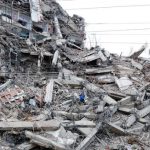
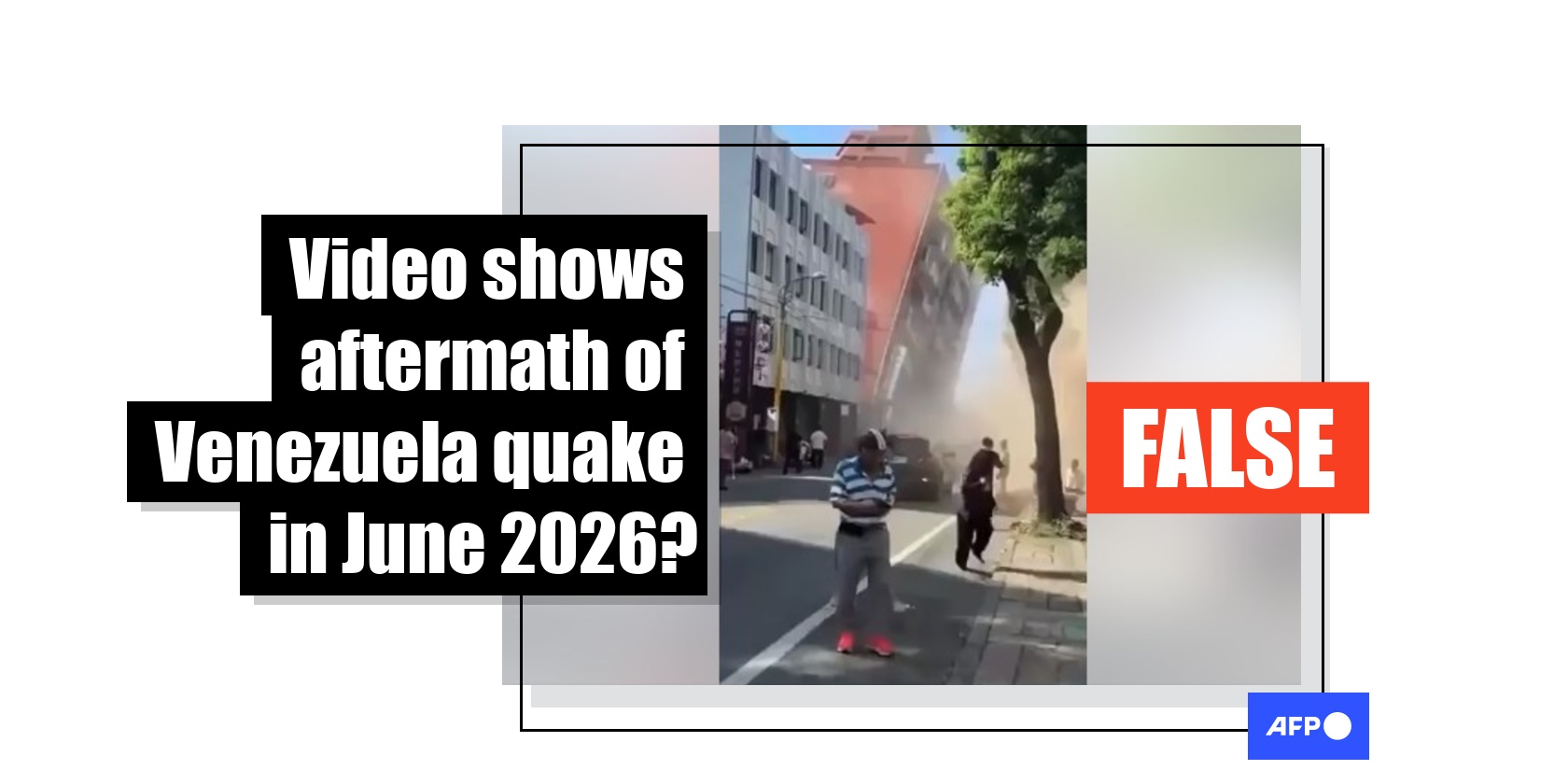
POLICY WIRE — Washington D.C. — It’s a strange new normal, isn’t it? The very ground shifts beneath our feet with seismic ferocity, but often, the greater tremor originates in the ether—the instant, unverified share. Forget geological faults; the real cracks are forming in our shared understanding of reality, exacerbated by a voracious appetite for immediate, visceral content. Just last week, a chilling video circulating online showcased a building convulsing, then succumbing to gravity, concrete and steel peeling away like dry bark. But it wasn’t what it claimed to be—a dire dispatch from a Venezuelan tremor, for instance.
No, the footage—horrifying as it was—actually depicted a recent earthquake in Taiwan, its structures bending and breaking with brutal efficiency. Yet, across WhatsApp groups, Telegram channels, and X (formerly Twitter) feeds spanning continents, it was repackaged, relabeled, and disseminated as a catastrophe striking thousands of miles away. It became a casualty of the digital wild west, where veracity often takes a back seat to virality, and genuine human suffering becomes mere content, ripped from its context and re-stitched into someone else’s narrative. And it’s not just a benign mix-up; it chips away at truth, piece by ugly piece. [QUOTE_PLACEHOLDER]
This kind of instant misattribution, sadly, isn’t a fluke. It’s the standard operating procedure for a digital landscape choked with content and starved of collective discernment. The original headline about this particular misidentification was understated, really, almost clinical: Clip of building damaged by Taiwan earthquake falsely linked to Venezuela tremor. What that phrase doesn’t capture, however, is the sheer velocity of modern information, or how effortlessly a potent image can detach from its origin, becoming a ghost that haunts a dozen different geographical locations simultaneously. But you’ve seen it happen before, haven’t you? It feels like Groundhog Day, but with higher stakes each time.
These distortions have serious repercussions. Take South Asia, for example—a region no stranger to its own geological volatility and, crucially, a massive consumer of social media. When similar incidents occur there—say, a flood image from Bangladesh attributed to Pakistan’s Sindh province, or protest footage from India’s Punjab described as originating in Islamabad—it doesn’t just confuse; it can fuel ethnic tensions, exacerbate political divides, and even instigate real-world violence. And this phenomenon isn’t localized, it’s a global infection, weakening institutional trust whether you’re in Caracas or Karachi.
The speed at which these visual fictions spread is truly staggering. One study published in Science found that false news travels significantly faster and further than true news across all categories on social media platforms, often reaching 1,500 people six times faster than truthful stories. That’s a stark, sobering statistic. We’re talking about a landscape where fabrication, intentionally or not, gains traction with an almost unnatural swiftness, easily outstripping attempts at correction.
Sometimes, this isn’t even malicious. It’s simply folks sharing something because it looks compelling, maybe dramatic, or just because it affirms a belief they already hold. But intent rarely mitigates impact in the digital realm. The effect is still a confused populace, bombarded with conflicting information, and frankly, a whole lot less trust in, well, everything. That’s a dangerous path to walk, especially when crises — natural or otherwise — demand clear, verifiable information to coordinate effective responses and maintain social cohesion.
It’s why you can’t afford to be sloppy with your news consumption, because the system’s counting on your momentary lapse. Policy Wire constantly works to bring clarity to complex global events, whether it’s the quiet economic surges in nations like Ivory Coast’s shifting sands or the intricate dance of sports economics in the global marketplace, where even World Cup’s billion-dollar undercurrent plays a part. Every piece matters.
What This Means
Politically, the constant threat of misattributed content following large-scale disasters is corrosive. Governments already struggle to maintain public confidence; widespread misrepresentation of events—even if unintended—only serves to deepen public skepticism in official channels. When a video of a Taiwan quake is used to paint a picture of devastation in Venezuela, it isn’t just about geology. It undermines a government’s ability to communicate the actual scope of an emergency, coordinate international aid efforts, and manage public sentiment, internally and externally.
Economically, there’s a real cost. The propagation of incorrect information can distort risk assessments for investors, disrupt supply chains (if false alarms cause undue panic), and misdirect aid funds. Consider how quickly financial markets react to news, legitimate or otherwise. A truly impactful, yet false, report about widespread infrastructure failure could trigger volatile market responses, impacting everything from commodity prices to national currencies. It also diverts finite resources; instead of focusing on recovery, emergency services, government agencies, and even private citizens find themselves engaged in energy-sapping battles against digital ghosts, verifying facts that should never have been questioned in the first place. It’s an exhausting, unending cycle, — and honestly, we’re all paying the price.