


WNBA’s Courtroom by Committee: Fan Outcry Dictates Justice for Clark Foul
POLICY WIRE — New York City, U.S. — The referee’s whistle didn’t blow. No penalty flag waved. Not a single immediate consequence. That’s how it went down in real-time when Phoenix Mercury’s Alyssa...

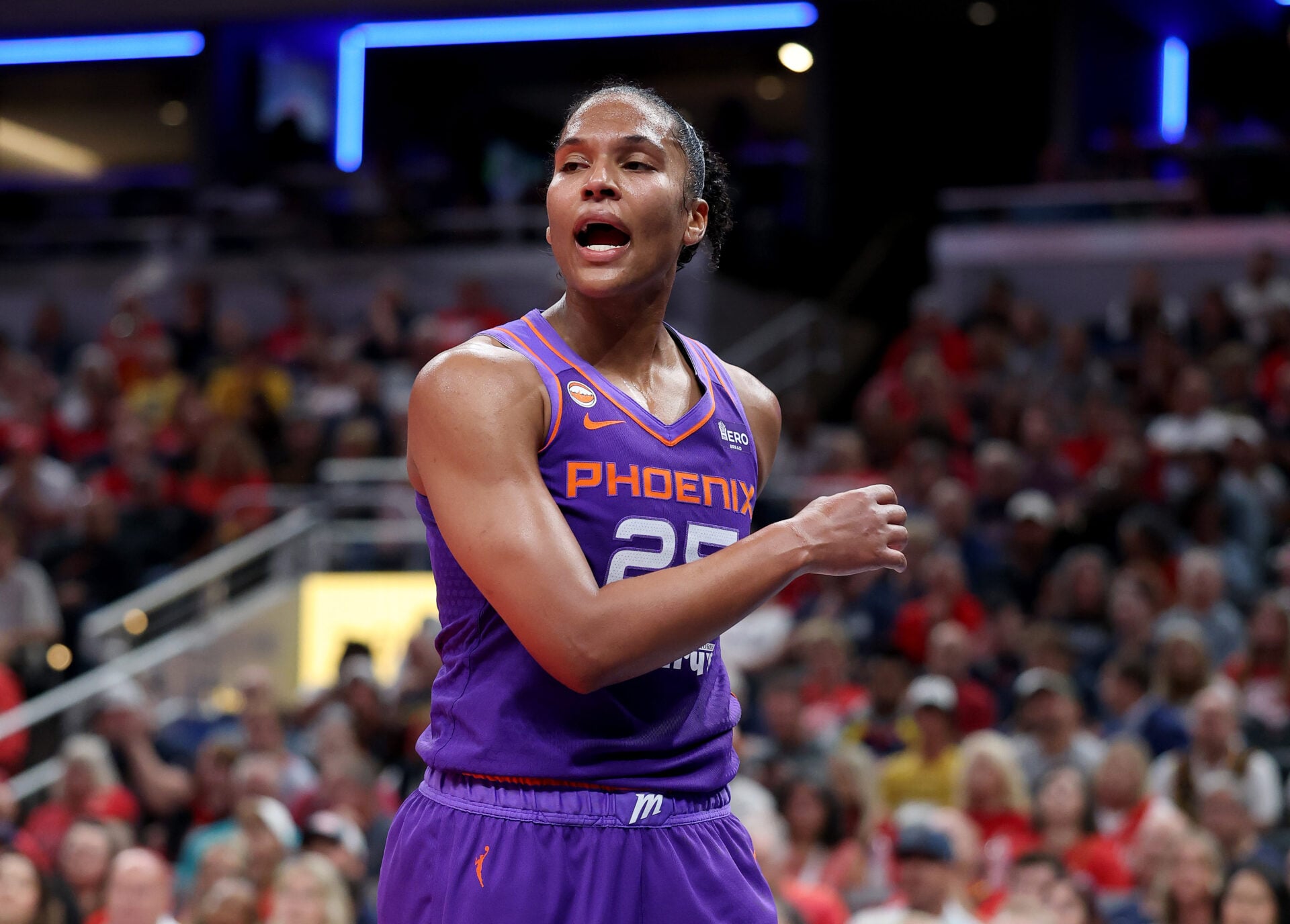
POLICY WIRE — New York City, U.S. — The referee’s whistle didn’t blow. No penalty flag waved. Not a single immediate consequence. That’s how it went down in real-time when Phoenix Mercury’s Alyssa Thomas allegedly clocked Indiana Fever’s star rookie, Caitlin Clark, during a frantic skirmish on the hardwood. A shocking scene, really. But the WNBA, in what’s becoming a rather routine post-mortem, quickly corrected the court’s blind spot after the internet exploded, imposing a flagrant 2 and a one-game benching. It’s a good decision, certainly. But it also paints a vivid picture of a league, and perhaps professional sports broadly, increasingly legislating itself not by the letter of the rulebook on the fly, but by the clamor of the digital town square.
It used to be that officiating was, well, officiating. Calls were made, or not made, in the heat of the moment. Mistakes happened, sure, but the rectifications usually stayed within official channels. Now, however, the court of public opinion—fueled by high-definition replays and millions of outraged thumbs—doesn’t just offer commentary; it dictates verdicts. That’s a powerful, and perhaps disquieting, shift in authority for any sport grappling with its own integrity and public image. The league isn’t just reacting; it’s adapting to a new kind of accountability.
Clark, the fresh face of women’s basketball, went down in the paint. Multiple Mercury players descended. Thomas’s alleged action, caught by cameras, appeared unequivocal: a closed fist to Clark’s neck. The footage went viral, becoming Exhibit A in an open-and-shut case built by social media. Because it was so obvious, so stark. The non-call initially seemed less like an oversight and more like, well, a statement, especially after the Mercury’s official X account added fuel to the fire with a now-deleted, thinly veiled barb at Clark.
WNBA Commissioner Cathy Engelbert, while not directly commenting on this specific incident, has often spoken about the league’s growth and standing. “Player safety — and the integrity of the game are non-negotiable pillars of our league,” she’s been quoted as saying. “We regret that any incident isn’t adjudicated correctly in real-time, but the subsequent action reflects our commitment to fair play.” A reasonable, measured statement, isn’t it? One has to wonder how much the public pressure accelerates those ‘subsequent actions.’ That’s where things get complicated for decision-makers.
And it’s not just American fans watching. Dr. Zahra Ahmed, a global sports ethics consultant often consulted by various Middle Eastern and South Asian sports bodies, views these events through a different lens. “Professional sports, at its heart, reflects society’s values back at us. When basic fairness is missed on the court, it stirs a broader unease,” Ahmed shared with Policy Wire. “People—everywhere from Birmingham to Lahore—are watching; they expect accountability. This kind of global scrutiny, it’s not going away.” Indeed. Pakistan’s burgeoning interest in digital sports content, for instance, means incidents like these travel light-speed across borders, shaping perceptions of American leagues and their values.
This episode, messy as it was, isn’t an isolated one for Clark, or for the WNBA this season. There’s been a flurry of aggressive plays against her, suggesting a targeted physicality, if not outright malice. The league, by its own reckoning, saw a 21% increase in viewership on ESPN in 2023, largely fueled by burgeoning stars and rising interest. That kind of growth, reported by outlets like ESPN, demands meticulous attention to every single incident. Protecting its assets, especially those driving new audiences, isn’t just about fair play; it’s business.
What This Means
The WNBA’s after-the-fact punishment of Alyssa Thomas signals a new operational reality for professional sports: the unassailable power of the audience. It’s no longer enough to have internal reviews. The sheer volume and speed of digital commentary now effectively act as an appeals court, often faster and more demanding than any league office could ever be. This dynamic forces a tricky tightrope walk for commissioners — and officials. They’ve to uphold the sanctity of their rules, yes, but also demonstrate responsiveness to the masses, many of whom are paying subscribers or social media influencers in their own right.
Economically, allowing such incidents to stand risks damaging the brand, particularly for a league in a growth phase. New stars like Clark aren’t just athletes; they’re marketing machines, drawing unprecedented eyes to the league, and any perception of unchecked aggression or unfair play could deter that new viewership. Globally, this incident provides a case study for developing sports markets in places like India or the Gulf states, where governance and integrity in emerging leagues are frequently debated. If established Western leagues can’t get basic calls right, and only rectify under extreme pressure, what message does that send?
It’s about hoops’ high stakes, a narrative that transcends national borders, even into the billion-dollar undercurrent of global talent markets. The whole affair wasn’t just a basketball play; it was a policy dilemma playing out in front of everyone.