

The Strange Case of Vaibhav Sooryavanshi: Child Prodigy Meets Bureaucratic Walls
POLICY WIRE — London, UK — The narrative of athletic ascent, typically one of unfettered talent blazing a trail, finds a curious detours here. Imagine the scene: a 15-year-old — barely old enough to...

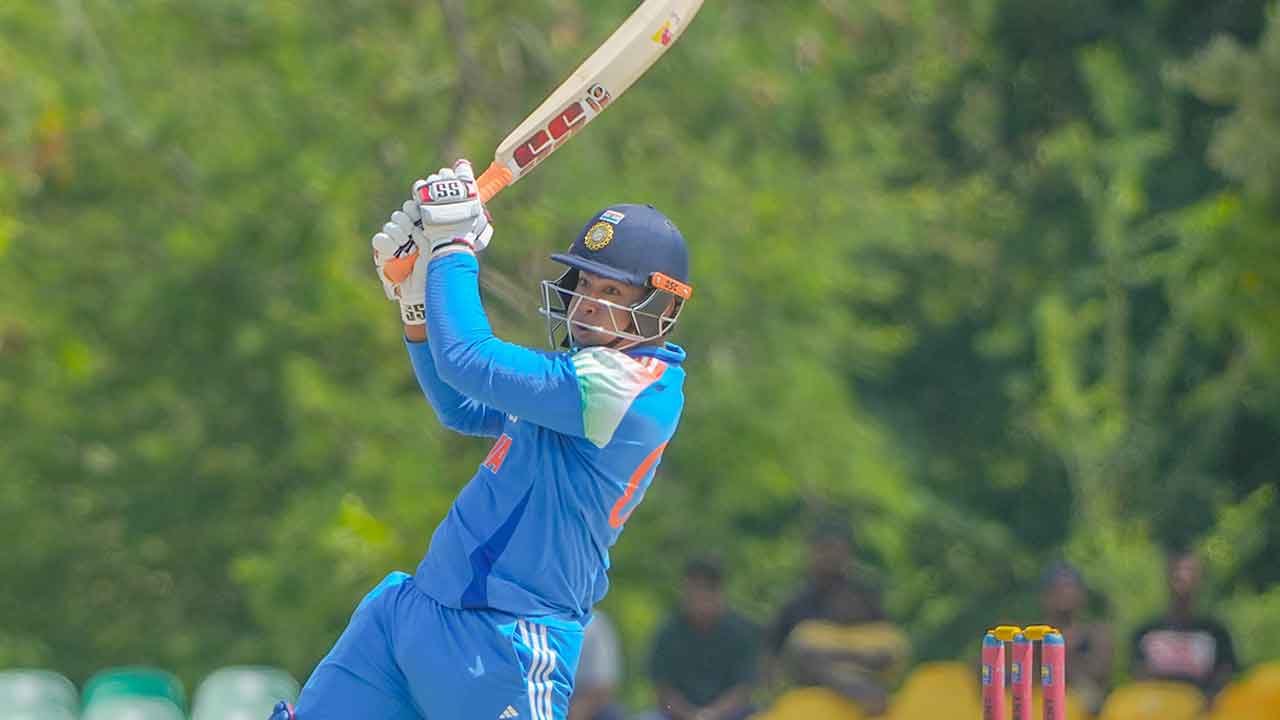
POLICY WIRE — London, UK — The narrative of athletic ascent, typically one of unfettered talent blazing a trail, finds a curious detours here. Imagine the scene: a 15-year-old — barely old enough to vote in some future election, never mind drive legally — standing on the precipice of international cricket. He’s set to break an iconic record, yes, Sachin Tendulkar’s, no less. But Vaibhav Sooryavanshi’s path isn’t just about cover drives and googlies; it’s about navigating the stark realities of European child safeguarding laws, transforming his highly anticipated debut into a peculiar bureaucratic ballet.
It’s not often a changing room arrangement becomes front-page news, but that’s exactly where we find ourselves. This young man, a sensation from Bihar who’s already seen the rarefied air of IPL dressing rooms and India A squads, will operate from his own, separate facility during the T20I series against Ireland and later in England. A bizarre footnote to what should be an unadulterated triumph, wouldn’t you say?
The rules are quite unambiguous, originating from the UK’s stringent child protection framework. Cricket Ireland, tasked with hosting part of this unusual spectacle, has bent over backwards—not that they had much choice, honestly—to comply. They’ve provisioned three separate changing rooms at Stormont for the Indian team, ensuring everyone, especially Vaibhav, stays strictly within the legal bounds.
“We’ve provided the Indian team with three distinct rooms in the pavilion, and all relevant safeguarding legislation has been clearly communicated,” stated a Cricket Ireland spokesperson, a hint of official exasperation in the boilerplate language. “We’ll verify that all our obligations are met, but ultimately, the BCCI manages its affairs in strict accordance with UK law. Our procedures align perfectly with best practice across the United Kingdom.” It’s the kind of statement that makes you wonder about the logistics, the sheer meticulousness involved.
But it isn’t just Ireland. The situation mirrors arrangements often seen in top-tier European football, where wunderkinds like Arsenal’s Max Dowman found themselves subject to similar restrictions before hitting 16. It’s a standard procedure, yes, but for an Indian team traversing different cricketing cultures, it necessitates a novel adaptation.
The England and Wales Cricket Board (ECB) confirmed that the International Cricket Council’s (ICC) own safeguarding directives would apply, bolstered by their comprehensive ‘Safe Hands’ policy. “The Cricket Regulator is currently in direct communication with the Team Liaison Officer for the Indian contingent,” an ECB official confided to us, sketching out the meticulous details. “They’re working through the requirements — and expectations for the player during his time in the UK. Because, well, it’s pretty important we get this right, isn’t it?”
It’s all very regimented, clinical even. Sooryavanshi can still join team huddles, dive into tactical discussions, and generally soak up the locker room vibe with his seniors. He just can’t, you know, get changed there. That’s the line. That’s the barrier. And because these rules aren’t negotiable, the BCCI had to orchestrate a logistical coup, making an exception to team protocol: Vaibhav’s parents are tagging along for the entire tour, ensconced in the same team hotel. “This provides everyone with an added layer of assurance that he has family nearby offering continuous support and care,” the ECB spokesperson clarified, subtly hinting at the layers of anxiety these unique circumstances breed.
The entire affair shines a spotlight on the growing complexities of international sports. According to a 2023 report by Global Sport Integrity, approximately 78% of professional sports leagues worldwide now operate under some form of formal youth safeguarding policy, up from less than 50% a decade ago. It shows a rapid evolution in how athlete welfare is perceived.
What This Means
This incident, far from being a mere sporting footnote, reflects a larger geopolitical shift in standards and governance. Western notions of child protection are increasingly setting the benchmark for international sports, compelling federations from across the globe – including South Asia and the broader Muslim world – to adapt. For bodies like the Board of Control for Cricket in India (BCCI), it’s not just about managing an exceptionally gifted teenager; it’s about navigating a dense thicket of disparate legal and ethical frameworks that clash with traditional norms. In many South Asian cultures, the notion of parental supervision for a minor, even a prominent athlete, traveling with a team is deeply ingrained but less formalized through legal statute in sports policy itself. These instances highlight the cost, both economic — and logistical, of aligning with global best practices. They necessitate additional security, separate facilities, parental travel, — and constant bureaucratic oversight. This creates a fascinating tension between individual brilliance and the overarching structures of institutional liability. But you’ve got to ask: at what point do these frameworks, however well-intentioned, risk isolating the very talent they’re meant to protect?
For Vaibhav, this peculiar start might just be another chapter in an already extraordinary young life. But for international sports administrators, it’s a sharp reminder that the game is now played on a pitch with more than just grass – it’s covered in rules, regulations, and the constant hum of legal obligations, all overseen by an increasingly watchful global eye.