Aftershocks: Venezuela’s Ground Trembles, Nation’s Resolve Cracks Under Renewed Pressure
POLICY WIRE — Caracas, Venezuela — Venezuela, a nation long accustomed to geopolitical turbulence, now contends with a new, equally unpredictable adversary: the restless earth beneath its feet. But...

POLICY WIRE — Caracas, Venezuela — Venezuela, a nation long accustomed to geopolitical turbulence, now contends with a new, equally unpredictable adversary: the restless earth beneath its feet. But don’t misunderstand—this isn’t just about a few shaking buildings. It’s a fresh jolt to an already buckling system, another twist in a saga that feels less like governance and more like perpetual crisis management.
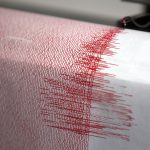
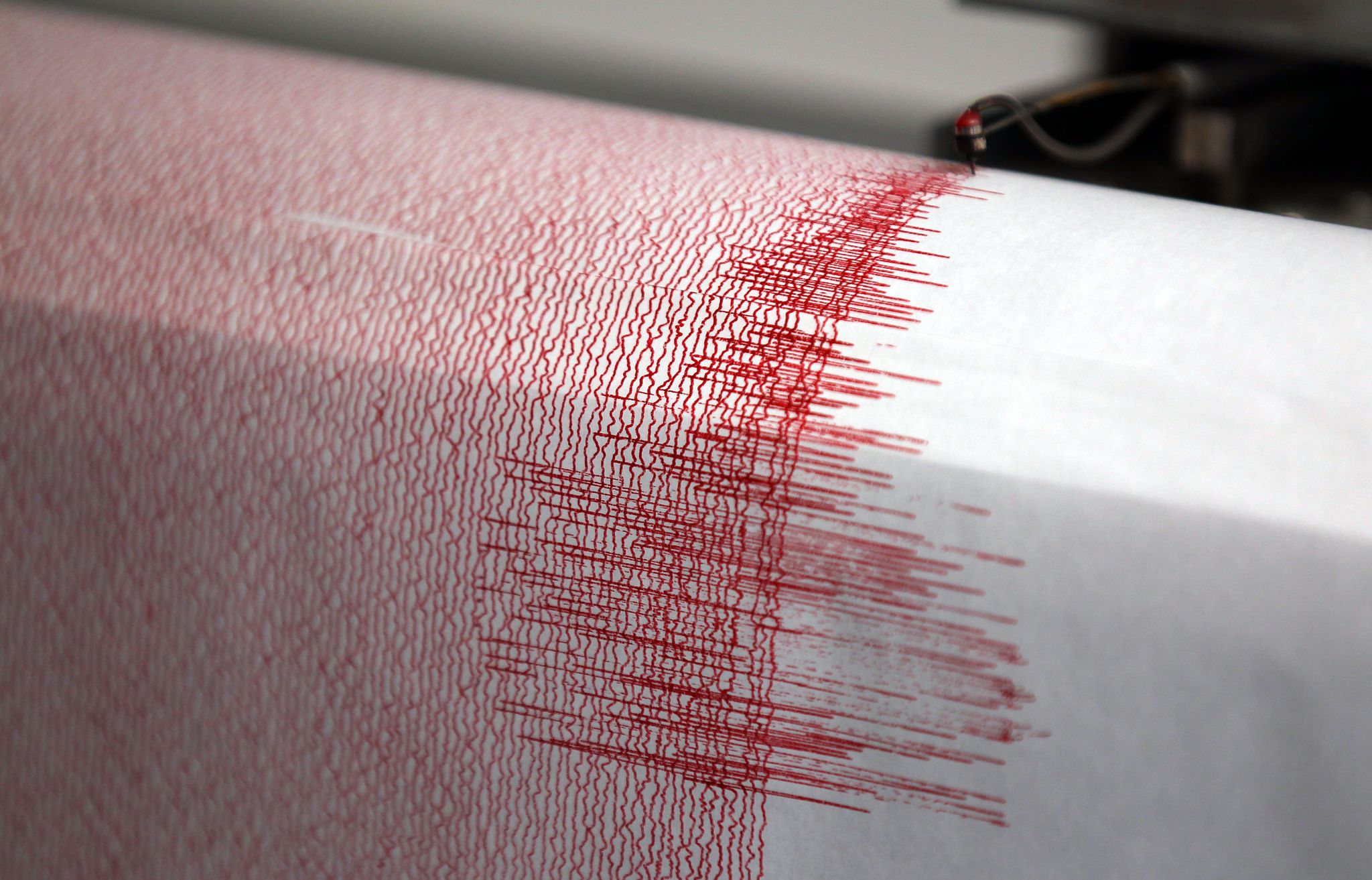
The state hasn’t just declared an emergency, it’s absorbed it, another layer onto a fragile national psyche. Multiple significant tremors recently ripped through parts of the country, most notably along its Caribbean coast. Homes crumbled. Infrastructure, much of it neglected for years, groaned and, in some places, simply gave way. Initial reports speak to widespread damage, pushing an already strained public sector further to its breaking point.
President Nicolás Maduro, ever the showman, framed the natural disaster as yet another test of socialist resilience. "They thought they could break us with sanctions, with economic war, with foreign plots," he declared in a recent televised address, his voice a familiar mix of defiance and self-pity. "Now, even Mother Earth conspires, but we, the people of Bolívar, will rise. We always do." He didn’t, of course, mention the nation’s well-documented capacity deficit, the very thing these tremors just starkly illuminated.
Because let’s be frank, the country was already in a state of rolling emergency, even before the ground decided to redecorate. The quakes just laid bare the pre-existing fractures, physically — and metaphorically. International observers are quietly—and some, not so quietly—assessing the implications for an aid pipeline that often struggles to flow unimpeded. Dr. Elena Ramirez, a humanitarian coordinator who’s worked extensively in Latin America, put it bluntly: "A functioning government responds to crisis; a dysfunctional one exposes its weaknesses. Here, every aftershock just echoes a broader truth about resource scarcity and crumbling institutions." That’s the real story unfolding.
This isn’t just Venezuela’s problem, mind you. Look to South Asia. Whether it’s Bangladesh grappling with cyclones or Pakistan dealing with its own seismic zones, these nations, often on the periphery of global political interest, face identical challenges: managing catastrophic natural events with limited resources and often fractured governance. Remember the catastrophic 2005 earthquake in Kashmir? A grim reminder of how infrastructure gives way, how aid routes become choked, and how even well-meaning international assistance often faces bureaucratic hurdles.
For Venezuela, this latest upheaval demands more than just immediate search — and rescue. It calls into question the state’s long-term ability to rebuild, to rehouse, to re-establish anything approaching normalcy. According to figures from the United Nations Office for the Coordination of Humanitarian Affairs (OCHA), roughly 7 million people inside Venezuela were identified as requiring some form of humanitarian assistance in 2023. This new wave of displacement — and damage won’t exactly shrink that number.
And then there’s the international reaction. Will the tremors open up new avenues for aid, or simply harden existing political lines? Donor fatigue is a real thing. But sometimes a visible, immediate catastrophe can cut through the noise, at least momentarily. This particular moment is critical. It’s a question of international goodwill colliding with very local, very thorny political realities.
But how does one even begin to plan a large-scale recovery when basic services are already on life support? It’s a question Venezuelan citizens have been asking for years, now underscored by geological forces. The political elite, meanwhile, must decide whether to leverage this new crisis for domestic narrative control or, perhaps,—just perhaps—to finally open the gates to more robust, unbiased international assistance. One can hope.
What This Means
The immediate political implication of these earthquakes is an intensification of internal pressure on the Maduro government. It now has another immediate, undeniable problem to solve, beyond inflation — and international sanctions. This isn’t just about political grandstanding anymore; it’s about rubble — and desperate people. Any failure to provide basic relief will further erode public confidence, however threadbare it already is. Economically, the cost of reconstruction in a country with decimated public finances and struggling industries is monumental, probably insupportable without significant external capital. It could necessitate difficult decisions regarding budget allocation, diverting resources from other beleaguered sectors or intensifying calls for debt relief. Because ultimately, this isn’t just about geology. It’s about an already weak state trying to hold together an already broken country. This moment could either force a more collaborative international approach—unlikely given the deep divisions—or it could push Venezuela further into isolation, deepening the humanitarian plight. The international community, especially Western powers and aid organizations, faces a renewed dilemma: how to offer assistance without validating a regime many consider illegitimate. It’s a high-stakes, ethically complex tightrope walk, one they’ve been attempting for years, and one that just got a whole lot shakier. But, what if this pushes them toward greater humanitarian coordination, perhaps even setting a precedent for engagement with other internationally challenged nations?