


Feathered Fury: How a Duck’s Stadium Ban Exposes FIFA’s Global Blind Spots
POLICY WIRE — Mexico City, Mexico — In a city where even street food vendors have developed a kind of street-level entrepreneurial wizardry, it often takes something truly outlandish to seize the...

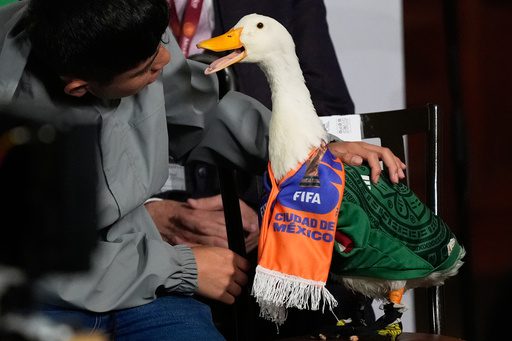
POLICY WIRE — Mexico City, Mexico — In a city where even street food vendors have developed a kind of street-level entrepreneurial wizardry, it often takes something truly outlandish to seize the collective imagination. So, it shouldn’t shock anyone that a two-year-old duck, donning a miniature Mexico jersey, briefly became the heart — and quite suddenly, the broken heart — of a World Cup campaign. We’re talking about Merlín, of course. His latest odyssey, a foiled attempt to attend a pivotal match, wasn’t just a quirky local news item; it was a microcosm of how global bureaucracies butt heads with raw, unpredictable human (and feathered) emotion.
It sounds like something out of a magical realism novel, but on a bustling Wednesday, this unassuming fowl, a genuine folk hero for this World Cup cycle, showed up at the sprawling Estadio Azteca. The fanfare was palpable. Think rockstar arrival, but with more quacks — and less pyrotechnics. And why not? This isn’t just any duck. In just a couple of weeks, Merlín had waddled his way from accompanying a family selling drinks in the city’s thoroughfares during Mexico’s initial victory to — no kidding — visiting the presidential palace. But then, as it so often does when big money — and bigger rules come into play, the dream hit a wall.
Merlín, chauffeured comfortably inside a transport crate, along with owner Carla Gómez and her son Cristian, got as far as the grounds. Televisa, a Goliath of Latin American television, even snagged him for a segment. People, I’m told, gathered around, hoping for just a peek at what had become the tournament’s most unlikely celebrity. A FIFA tournament spokesperson confirmed Merlín was permitted to enter the perimeter but not the stadium. They offered no further comment — classic corporate silence, right? It was a hard, definitive stop to a delightfully absurd journey, all thanks to those ubiquitous FIFA regulations that prohibit animals from entering venues in order to safeguard their well-being. Ah, the iron fist of regulation, wielded to protect a duck from… what, exactly? Over-enthusiastic cheers?
And so, Merlín’s proverbial flight was cut short. No cheering from the stands for our little mascot. [QUOTE_PLACEHOLDER] Gómez told The Associated Press, a statement imbued with both awe and, you have to think, a smidgen of weariness. “Everyone is truly amazed by Merlín.” From a local curiosity to an international celebrity, this duck’s tale has soared across the digital ether. He’s done interviews, hit television studios, mixed it up with fans at the Zócalo’s fan fest, and even popped in at Netflix. His official status? As Daniel Krauze, a fan outside the stadium sporting a duck hat, put it, [QUOTE_PLACEHOLDER]
This whole spectacle isn’t just cute; it’s big business. Merlín isn’t merely a feathery face. He’s been at the center of a trademark dispute, no less. Two other applications, preceding Gómez’s, sought the rights to his name for exclusive commercial use. Fortunately for Gómez — and Merlín’s legion of fans, the registration was ultimately granted to Gómez. The commercial implications here are substantial; an accidental viral moment can explode into a genuine intellectual property skirmish, demonstrating that even a beloved duck can be ensnared in modern market battles. It reflects a wider trend, where spontaneous cultural phenomena become fiercely contested commodities.
Consider the global implications for a moment. This kind of organic, internet-fueled adoration, — and subsequent commercial grappling, isn’t exclusive to Mexico City. The ability for a simple image or a short video to explode across borders is now common. Take Pakistan, for instance. Just like here, passionate sports fans, many in South Asia and the wider Muslim world, consume global sporting events with an intensity that often surprises outsiders. Social media platforms, reaching an estimated 4.95 billion users worldwide in 2023, courtesy of Statista, ensure that a phenomenon like Merlín’s doesn’t stay local. It gets shared, discussed, adopted, and commercialized in myriad ways, sometimes leading to local renditions or inspiring similar grassroots hero worship in unexpected corners of the globe. You might even find a similarly unexpected sports figure rising to prominence there, becoming more than just an athlete, but a cultural touchstone.
For Gómez, whose family now finally gets to watch Mexico’s national team play live — thanks to hundreds of fan requests, mind you — the experience was a “very powerful emotion.” And despite the strictures of FIFA, Merlín still wields his influence. She’s convinced her most famous feathered friend will be channeling some serious luck. Merlín is a lucky charm, she says, — and I know that, with him, the Mexican national team will win again today.
What This Means
This whole Merlín saga, beyond its undeniable charm, is a stark lesson in contemporary global dynamics. On one hand, you’ve got FIFA, an organization representing the immense, sometimes lumbering, power of international sporting federations. Their regulations, while ostensibly about safety and order, often come across as cold, distant, and utterly devoid of the very spirit that makes sports compelling for the average fan. They prioritize sterile conformity over unexpected joy, revealing a bureaucracy often out of touch with the raw, emotional currents of its fanbase. This detachment isn’t new; we’ve seen it play out in countless stadiums around the world, from European leagues to nascent cricket fields in South Asia, where global governance often struggles to reconcile local traditions with universal rules. But what happens when that universal rule prohibits a mascot who embodies the very essence of unexpected hope? The public often side with the duck, — and rightfully so.
On the other, it spotlights the meteoric rise of organic, social-media-driven movements. Merlín didn’t need a public relations team or a marketing budget. His celebrity was entirely crowd-sourced, propelled by millions of tiny, independent acts of digital endorsement. This bottom-up surge of affection demonstrates how social media bypasses traditional gatekeepers — be they media conglomerates or sporting bodies — creating its own legends, its own symbols. The fact that a simple duck can spark a trademark battle says it all. This phenomenon isn’t just about fun; it’s a tangible shift in influence, giving voice and power to everyday citizens and their peculiar heroes. And that, dear reader, is a development worth watching, because it shapes everything from consumer trends to, yes, even geopolitical narratives where collective sentiment, no matter how whimsical, can suddenly hold sway.