

Red Sox’ Connelly Early Delivers Strategic Win Amidst Air Travel Chaos
POLICY WIRE — Boston, USA — It wasn’t the pitching rotation itself that caught the initial eye; it was the flight manifest, or rather, the deliberate absence from it. In a move some might call...

POLICY WIRE — Boston, USA — It wasn’t the pitching rotation itself that caught the initial eye; it was the flight manifest, or rather, the deliberate absence from it. In a move some might call prescient, others merely pragmatic, the Boston Red Sox sent young pitchers Payton Tolle and Connelly Early skipping the return flight from Denver. The official line: keeping them out of the thin mountain air to allow maximum recuperation for upcoming home starts. It seemed like sound, if unglamorous, asset management. Then, the inevitable happened, adding an unexpected stroke of dramatic flair to the whole affair. The team charter, loaded with the rest of the weary squad, got grounded for more than five hours due to those delightful words, mechanical issues. For Tolle and Early, nestled in their beds, this managerial foresight, which many in logistics and statecraft appreciate, suddenly looked less like foresight and more like pure, unadulterated genius.
It’s moments like these — where careful planning meets the chaos of reality, yielding a fortuitous outcome — that you can’t help but pause. Consider the Red Sox’ brass, making a call to preserve key resources, separating them from the daily grind and potential burnout. It wasn’t about shielding them from harm, but about optimizing peak performance, a doctrine often espoused by high-performance sectors, from corporate boardrooms to military commands. Early, we’re told, got a late night text about his teammates’ aerial purgatory, followed by a FaceTime call from Sonny Gray. But even from the comfort of home, the burden of expectation isn’t easily shed. He felt, keenly, a responsibility to his colleagues who had endured that metallic, tarmac-bound purgatory. Such a collective sense of duty, you know, it’s not unique to baseball.
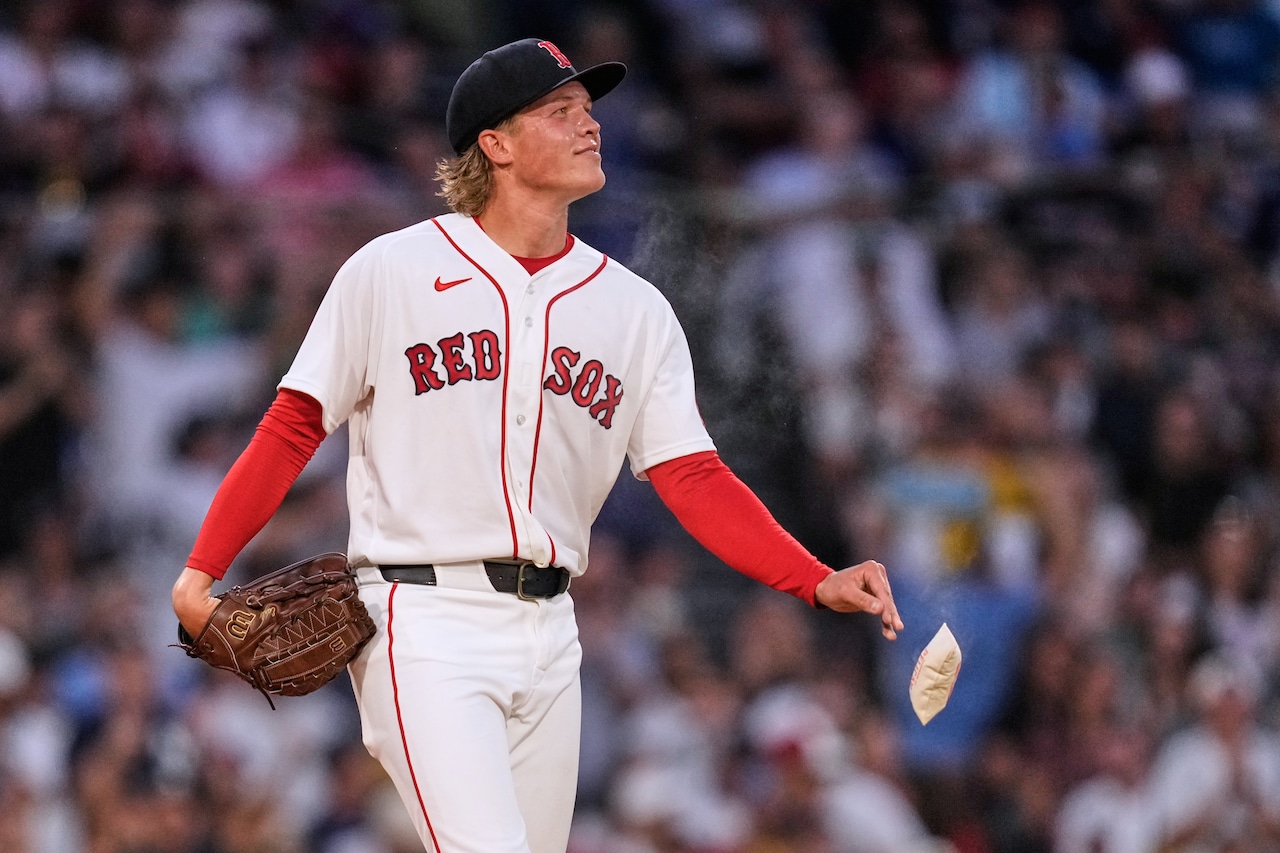
“One hundred percent,” said Early. “I always want to pick up the boys when I can. They didn’t get much sleep. I wanted to come out strong and bring the energy and let them do their thing.” And deliver he did. The lefty twirled six strong innings, giving up just a pair of runs, securing a 6-3 victory over the New York Yankees. A quiet triumph of resilience, really, after a less-than-ideal opening frame. He needed 25 pitches just to navigate the first inning, giving up a run from three hits. “They did a nice job laying off some of the off-speed stuff out of the zone,” observed interim manager Chad Tracy, referring to New York’s initial plate discipline, [QUOTE_PLACEHOLDER] But sometimes the plot twist comes after the rocky start.
From that shaky start, Early settled into a rhythm that many a policymaker might envy, allowing just one more run — a solo homer — across his next five innings. After wrestling his way out of a tight jam in the second, he dispatched 13 of the final 14 batters he faced. He’d done it before, too. That capacity for immediate adjustment, for finding a groove amidst pressure, it’s what differentiates players and leaders. “Similar to the last one,” Tracy noted, referencing a previous Seattle outing, [QUOTE_PLACEHOLDER] The kind of composure, perhaps, that’s honed not just in stadiums, but in geopolitical hotspots too. He finished with a season-high nine strikeouts; for a young player, that’s quite the statement.
What This Means
This episode, seemingly minor in the grand tapestry of professional sports, offers some surprisingly poignant reflections on political economy and strategic governance. At its core, we see a calculated allocation of resources – human capital, in this case. The decision to preemptively rest key players, protecting them from a demanding environment (high altitude), isn’t just about sports. It echoes how nations, especially those with limited resources like Pakistan, must meticulously manage their intellectual capital or specialized labor forces. Imagine the challenge for Pakistan’s developing tech sector, for instance, in retaining and optimizing its best minds against global competition or taxing internal pressures. Their strategists, too, often make difficult choices about deployment — and preservation.
Then there’s the serendipity. The team’s grounded flight transforms a smart decision into an undeniable masterstroke. This highlights the inherent unpredictability in complex systems – whether a supply chain, a diplomatic negotiation, or a regional stability effort. The best-laid plans are frequently buffeted by unforeseen externalities. Governments, much like baseball teams, must build resilience, ensuring their core operations and critical personnel aren’t crippled by external shocks. One recent World Bank report noted that unexpected disruptions in global supply chains caused by political instability or natural disasters have cost South Asian economies billions in lost revenue, averaging 2.5% of regional GDP over the last decade. Early’s story, albeit on a micro-scale, illustrates the often-thin line between proactive management and reactive adaptation in the face of the unexpected. This isn’t just about baseball, it’s about statecraft and global economics. And it serves as a subtle reminder: sometimes, even when a system seems to fail, isolating your most valuable components can turn a potential disaster into a minor hiccup, or even an unlooked-for triumph. Because at the end of the day, someone’s gotta step up when others are flat-out exhausted, regardless of the sector.