
Iran’s Veiled Power: A Look Beneath Tehran’s Surface as Leadership Braces for Unseen Threats
POLICY WIRE — Tehran, Iran — There’s a certain grim calculus in power, particularly the kind wielded in autocratic states. The show is always one of invincibility, of unwavering command from on high....

POLICY WIRE — Tehran, Iran — There’s a certain grim calculus in power, particularly the kind wielded in autocratic states. The show is always one of invincibility, of unwavering command from on high. But look a little closer—scratch beneath the polished surface, past the pronouncements and carefully orchestrated public appearances—and you’ll often find a bedrock of something else entirely: a profound, almost primal, fear. It’s a fear that necessitates not just formidable guard detachments or omnipresent security forces, but also, in its most stark expression, blast-resistant walls and secret escape routes.
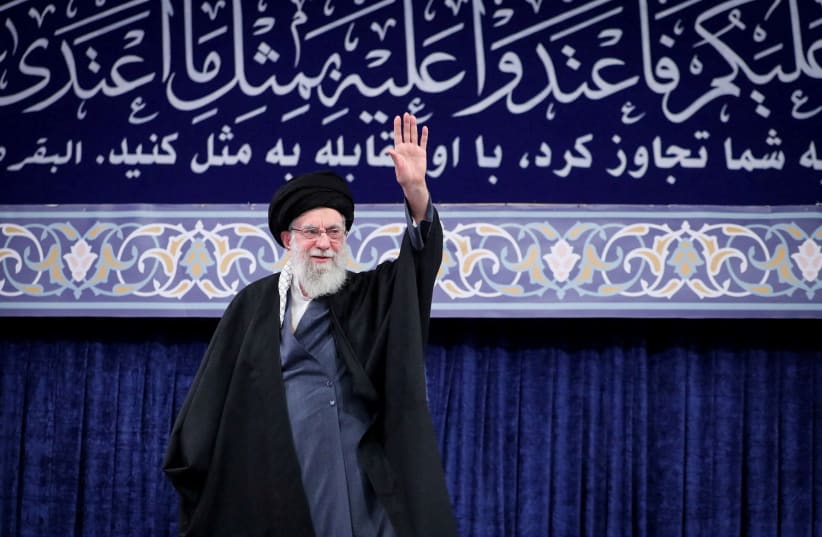
It’s this deeper stratum of leadership preparedness that recent intelligence leaks, or perhaps strategic whispers, bring to light concerning Iran’s Supreme Leader, Ali Khamenei. Not merely a rumor but a cold, hard assertion circulating among analysts and observers suggests a fortress-like infrastructure. Imagine the sprawling, often opaque, power centers of Tehran—the ministries, the mosques, the compounds shrouded in mystery. Now, envision something more profound, subterranean, a final redoubt against existential threat. [QUOTE_PLACEHOLDER]
The reporting describes a private redoubt, a secret bunker specifically designed for Khamenei. This isn’t just a reinforced basement; we’re talking about a facility under Tehran itself. It boasts a blast-resistant room—a detail that speaks volumes about the perceived threat landscape faced by the regime. But it doesn’t stop there. Accompanying this hardened refuge are escape tunnels, a labyrinthine network burrowing away, offering a potential path to evade the kind of catastrophic event that demands such an extreme contingency plan. And no, we don’t mean just a particularly harsh Tehran traffic jam.
It’s easy to dismiss such facilities as the paranoid whims of authoritarian leaders, but these aren’t abstract blueprints; they’re very real, very expensive investments in survival. This type of preparation lays bare the raw calculus of power preservation, a strategic admission that even the most seemingly unshakable authority has its breaking point. But consider the psychological weight. What kind of threats necessitate this level of defensive architecture? It hints at an underlying geopolitical anxiety, a constant state of readiness for attacks that could be internal or external, conventional or unconventional. Because when you’re ruling a nation steeped in geopolitical rivalries, even your closest allies have eyes—and your enemies certainly do.
This disclosure, if you consider its source and the timing, isn’t just about an old man and his fear of bumps in the night. It tells us about the strategic priorities of the Islamic Republic itself. They’re building for endurance, for continuity, even in the face of what they clearly perceive as potential regime-altering strikes. It’s an investment in a specific kind of future—one where the top leadership can weather a storm that would fell lesser states. Such a narrative sends its own message to friends — and foes alike, often without a single public address.
Consider the broader context, too, especially from a South Asian perspective. Iran’s security posturing impacts everyone. Nations like Pakistan, with its own complex relationship with both regional powers and global blocs, watches these developments with keen interest. The stability of its western neighbor isn’t some distant abstraction—it’s directly tied to its own border security, its energy supply chains, and the broader narrative of Muslim world influence. Any perceived vulnerability in Iran’s top leadership structure—or, conversely, any ostentatious display of its preparedness—sends ripples across these boundaries. For many in Islamabad and beyond, Tehran’s internal fortifications offer a glimpse into the region’s raw power dynamics, which impacts their own national security calculations, like navigating regional flashpoints with border tensions with India.
The global security landscape, already an open wound, can only interpret such an existence as a defiant assertion of continued power, irrespective of mounting domestic dissent or international pressure. Reports, for instance, by the Stockholm International Peace Research Institute (SIPRI) indicated global military expenditures soared to an all-time high of $2.44 trillion in 2023. These investments in national defense, even down to a leader’s personal bunker, represent more than mere spending; they’re reflections of deep-seated geopolitical fault lines and perceived threats that show no sign of receding.
What This Means
The revelations concerning Ali Khamenei’s purported secret bunker and escape tunnels are far from just architectural curiosities. Politically, they symbolize a regime bracing for severe turbulence—be it from foreign military action, an attempted coup, or widespread civil unrest. This isn’t a government projecting confidence; it’s one telegraphing its profound insecurity and the lengths it’ll go to maintain its continuity. It implies a high level of threat assessment, meaning decision-makers in Tehran believe a serious threat to the supreme leader’s life or liberty is a realistic possibility, perhaps more realistic than the outside world generally appreciates.
Economically, this sort of high-security infrastructure isn’t cheap. Such investment suggests state resources are being funneled into leadership survival at a time when Iran’s economy is frequently under pressure from sanctions and domestic challenges. This expenditure highlights an allocation priority: protecting the leadership takes precedence over potentially other urgent needs, which can exacerbate public grievances. The implications for the Muslim world, especially in nations like Pakistan and Afghanistan that share borders and religious ties, are significant. A regime this visibly, albeit secretly, hunkering down signals instability, reinforcing concerns about regional flashpoints and potentially influencing their own foreign policy decisions regarding Tehran’s future.
Ultimately, these clandestine fortifications suggest an unwavering determination by Iran’s leadership to weather any storm, no matter how cataclysmic. They’re playing the long game—or preparing for the short, sharp shock that might necessitate their literal disappearance for a time. But such measures also underscore the deep disconnect between the rhetoric of a resilient, divinely guided leadership and the earthly, very human anxieties about its continued existence. A stark reminder, then, that even supreme leaders fear the dark.