

The Deserting Diplomat: Burkina Faso Cuts Ties, Paris Feels the Sting of a Fading Empire
POLICY WIRE — Ouagadougou, Burkina Faso — For generations, France has cast a long, proud shadow across West Africa, a legacy of empire that Paris imagined unassailable, eternal even. Well, eternal it...

POLICY WIRE — Ouagadougou, Burkina Faso — For generations, France has cast a long, proud shadow across West Africa, a legacy of empire that Paris imagined unassailable, eternal even. Well, eternal it isn’t. Not anymore. Not for Burkina Faso, anyway. A country perpetually battling jihadist insurgencies and political instability has just delivered a cold, unequivocal slap to its former colonial master, officially yanking all diplomatic relations. It’s a move that probably blindsided some bureaucrats sipping espresso on the Quai d’Orsay — though, let’s be honest, it shouldn’t have.
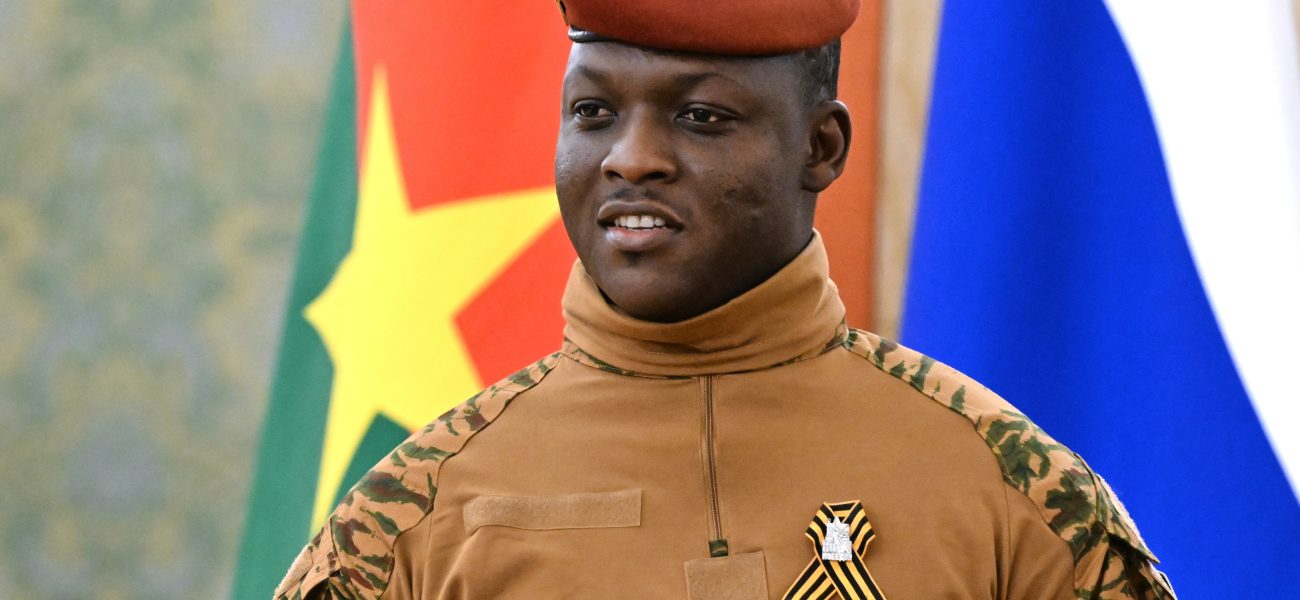
This isn’t some diplomatic dust-up over a misplaced ambassador’s hat. Oh no, it’s far deeper. This is a pointed rejection of decades, centuries really, of French hegemony, however subtle or overt. Burkina Faso’s interim military ruler, Captain Ibrahim Traoré, whose grip on power was already precarious, likely views this as a domestic political win, a play to the nationalist fervor that’s been brewing hotter than a desert sun. His regime, having previously demanded the departure of French troops, wasn’t content with merely pushing back against a security partnership; they wanted a full, clean break.
And let’s be clear, it isn’t just about Burkina Faso’s grievances. The drumbeat of anti-French sentiment, fanned by the perceived ineffectiveness of French counter-terrorism efforts and a nagging feeling of continued paternalism, echoes throughout the Sahel. You hear it in Mali, in Niger. The frustration’s palpable; people are fed up with what they see as foreign solutions failing to fix deeply entrenched, homegrown problems. They’ve wanted to forge their own paths, build their own destinies, without a shadow looming overhead. You can’t blame ’em, really.
But the abruptness of this severing, after what most saw as merely a temporary cooling off, sent shivers through various chanceries. It felt like Paris was perpetually reacting, never truly anticipating. A spokesperson for the French Foreign Ministry, choosing her words with extreme caution, simply remarked, “While we regret this unilateral decision by the Burkinabe authorities, we must respect the sovereignty of nations. France remains committed to stability in the region, albeit under new arrangements, reflecting local aspirations.” Yeah, ‘local aspirations’ often translate to ‘you’re out.’ But Traoré, perhaps more candid, was quoted weeks prior stating, “We’re done with false friends who dictate our future. We’ve got our own hands on the wheel now, for better or worse.” Strong words, those.
This diplomatic defenestration marks a real shift. It’s not merely Burkina Faso going it alone; it’s them openly signalling a willingness to court new partners—like Russia, China, and perhaps others who aren’t quite so entangled in historical baggage. Remember how quickly Wagner Group showed up in Mali after the French exited? It’s not a coincidence. This pivot means less French influence, obviously, but also less oversight, less emphasis on Paris-approved democratic transitions, and a lot more room for alternative foreign policy alignments.
And speaking of alternative alignments, this trend isn’t isolated. It’s something you see brewing, albeit with different flavors, across other former colonial domains, particularly in the Muslim world. Look at Pakistan, for example, balancing its historic ties with the West against a burgeoning relationship with China, or even some Gulf states carving out their own sphere of influence independent of past European or American patrons. It’s a broader movement toward self-determination, often rooted in historical resentment and a pragmatic hunt for what they perceive as better deals or more respectful partnerships. Just like here, their leaders often play to populist sentiment, leveraging historical grievances to consolidate power and redefine national identity.
📄 POLICY WIRE WHITEPAPER PUBLISHED: PAKISTAN'S NATIONAL SECURITY POLICY PRIORITIES
👉 READ BY CLICKING HEREOne analyst noted last year that French direct economic investment in its former West African colonies collectively shrunk by 15% over the past five years, suggesting that Paris’s economic commitment, just like its military one, was already waning before these dramatic breaks. So, maybe this divorce isn’t so shocking, after all. Maybe it was always on the cards.
What This Means
This diplomatic divorce isn’t just a symbolic gesture; it’s a seismic shockwave reverberating across the Francophone Sahel, and indeed, a stark indicator of France’s rapidly diminishing continental clout. Politically, it empowers anti-colonial narratives across the region, potentially emboldening other nations to follow suit. Paris now faces the tough job of re-evaluating its entire Africa strategy—or, frankly, admitting it doesn’t really have one anymore beyond reacting to events. Economically, this could mean an acceleration of Burkina Faso turning to non-traditional partners for trade, aid, and investment. Expect Russia and China to capitalize. They’re already making inroads. For the ordinary Burkinabe, however, the immediate impact might be negligible. Or worse, it could mean a vacuum filled not by stability, but by further instability, especially if current security challenges aren’t effectively tackled. After all, breaking up is hard to do. But living with the consequences? That’s harder.
And let’s not pretend this is simply about one country. It’s a loud siren for former colonial powers everywhere. When geopolitical sands shift this quickly, yesterday’s allies are tomorrow’s afterthoughts. The old playbooks are being torched. Policy-makers in Western capitals who aren’t already feeling a chill about this rapid reshaping of the global order really aren’t paying attention. It’s not a tidy process, but it’s happening, right now.