

Fatal Freight Train Collision in Munich Leaves One Dead, Investigation Underway
POLICY WIRE — Munich, Germany — An overnight collision between two freight trains on a bridge in Munich has resulted in one fatality, with several loaded cars p...

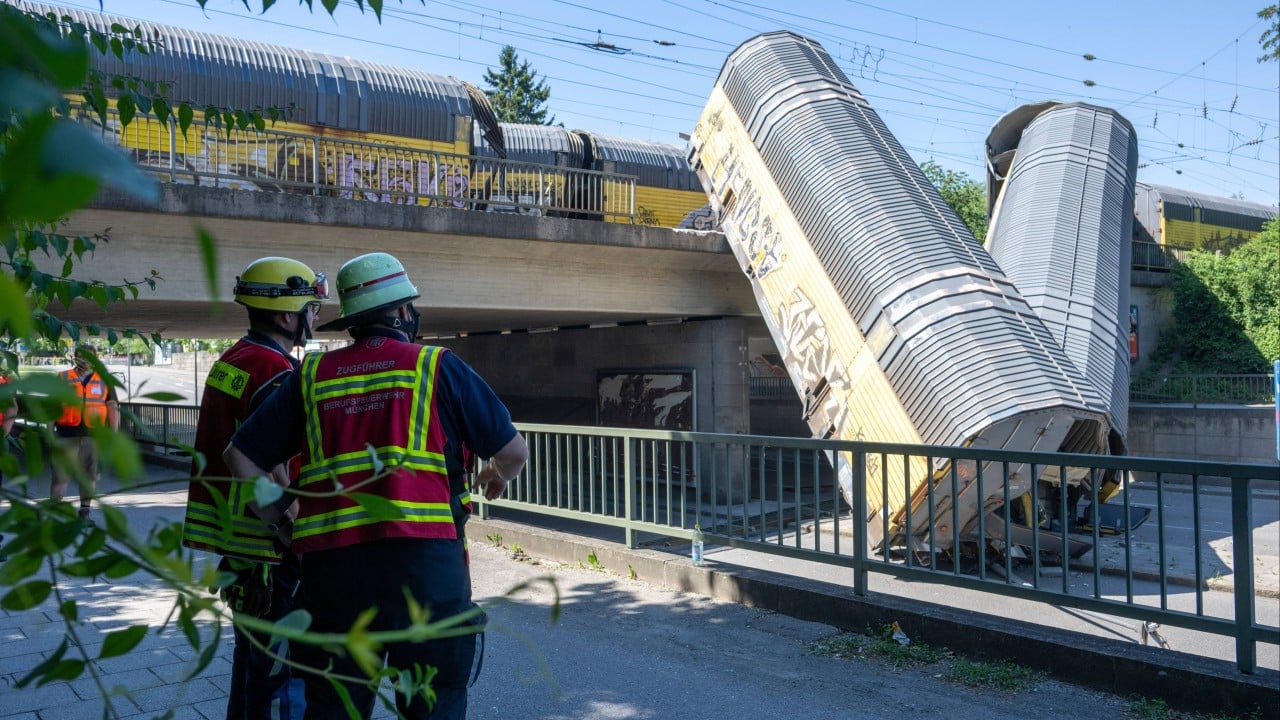
POLICY WIRE — Munich, Germany — An overnight collision between two freight trains on a bridge in Munich has resulted in one fatality, with several loaded cars plummeting approximately 5 metres (16 feet) to the roadway below. The incident, which occurred in the early hours of Saturday, prompted a rapid emergency response and has initiated a broad investigation into its cause. (Reporting based on wire reports)
Police confirmed on Saturday morning that one person died following the dramatic derailment. Two cars from one of the freight trains came to rest on the street below the bridge at around 1.40 AM. The sheer force of the impact caused significant disruption, blocking transport lanes and raising immediate concerns about public safety and the nature of the cargo involved.
Initial reports from police spokespersons indicate that while the details surrounding the collision remain unclear, a key priority was to ascertain the contents of the derailed freight. Authorities quickly confirmed that despite the cargo’s initially unknown nature, it didn’t involve any hazardous materials, a relief amidst the severity of the incident.
Railway safety is a stringent domain, particularly in highly trafficked regions like Bavaria. The unravelling of what led to two trains occupying the same stretch of track, or what technical or human errors might have contributed to the derailment, will be central to the ongoing investigation. Such incidents underscore the complexities inherent in managing extensive rail networks, where precision and communication are paramount.
Emergency services spent hours securing the scene, recovering debris, and managing the logistical challenge of extracting the train cars from the street below the bridge. The full extent of structural damage to the bridge and surrounding infrastructure has yet to be comprehensively assessed, though the immediate focus remains on understanding the chain of events that culminated in the fatal crash.
What This Means
This incident in Munich serves as a stark reminder of the inherent risks, albeit rare, associated with rail transport infrastructure, particularly when complex junctions or elevated tracks are involved. The immediate questions for investigators will center on signaling systems, human factors such as driver conduct, and potential equipment failures. While police have ruled out hazardous materials, the financial implications for the rail operators—in terms of cargo loss, infrastructure repair, and service disruptions—are likely substantial.
The clarity sought regarding the cause won’t only provide answers for the fatality but could also inform future safety protocols for freight lines across Germany and beyond. How quickly and transparently these details emerge will be key, offering insights into preventing similar, tragic occurrences.