

Undrafted Dreams: Australia’s NBA Pipeline Stumbles as Global Talent Markets Shift
POLICY WIRE — Melbourne, Australia — For a nation that’s seemingly exported more basketball talent than merino wool in recent decades, this year’s NBA Draft delivered a particularly harsh...

POLICY WIRE — Melbourne, Australia — For a nation that’s seemingly exported more basketball talent than merino wool in recent decades, this year’s NBA Draft delivered a particularly harsh reality check. Not a single Australian prospect heard their name called. Not one. It’s a statistic that—on the surface—might seem like a fleeting anomaly, a momentary blip in a thriving athletic ecosystem. But dig a little deeper, and it’s a symptom of a far more complex global landscape, where the economics of elite sport, national identity, and sheer brute-force ambition collide.
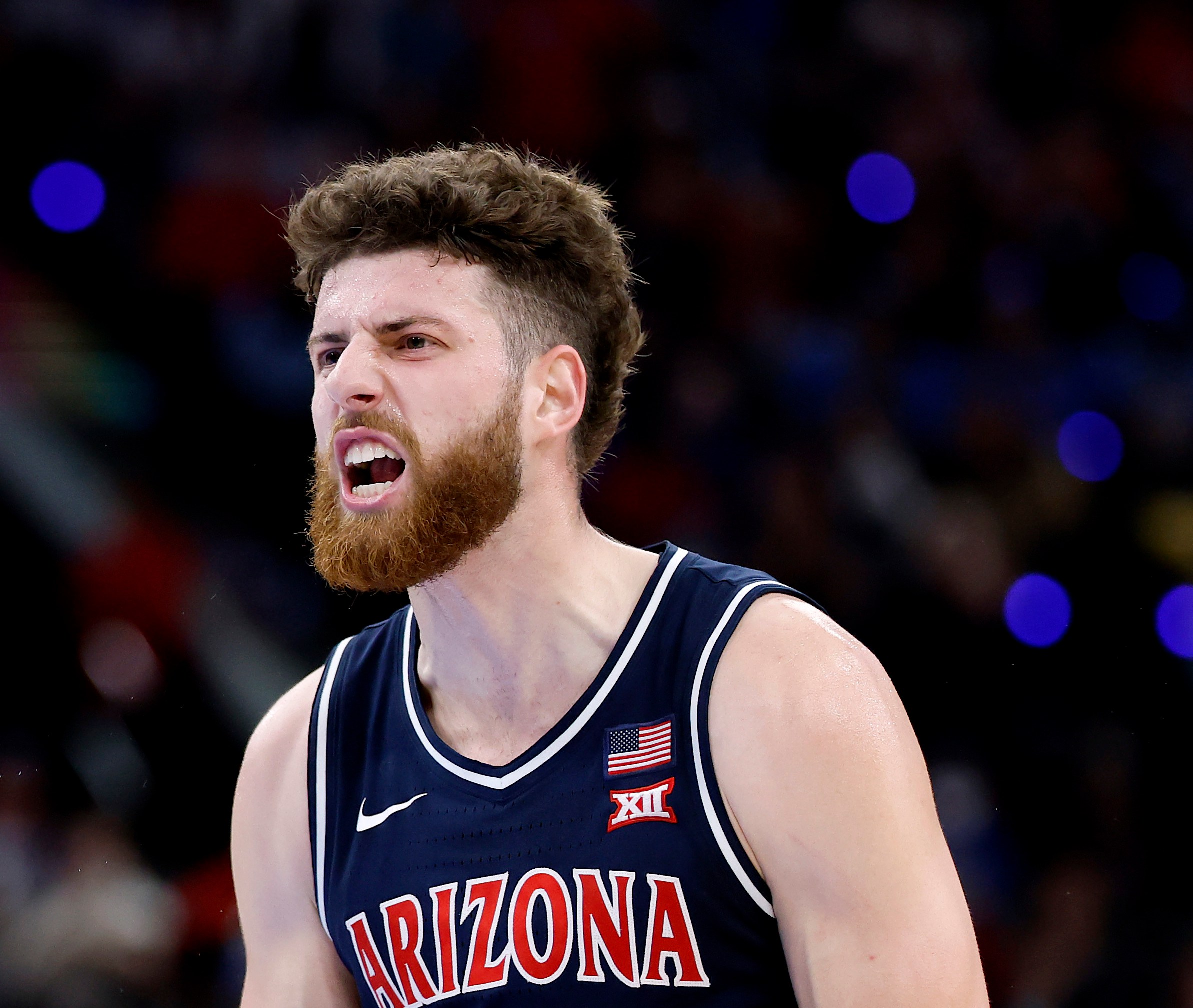
Enter Anthony Dell’Orso. A name you might not recognize now, but one that embodies the grit at the edges of this high-stakes talent scramble. After going unpicked in the 2026 NBA Draft, the 6-foot-6 guard from Melbourne — an alumnus of the Arizona Wildcats, mind you — didn’t just pack it in. He landed a lifeline: a spot on the Sacramento Kings’ Summer League roster. A long shot? Sure. But it’s the kind of long shot that quietly underpins entire national sports development programs.
It’s a peculiar twist, Dell’Orso’s ascent to a summer squad trial, especially after a season where his collegiate play offered flashes of brilliance (remember that 29-point outburst against Iowa State?). He averaged 8.5 points on 40.6 percent shooting as a senior, according to college sports trackers. But that wasn’t enough to sway any front office when the lights were brightest on draft night. And this year, for the first time since 2023, the NBA Draft saw no Australian players selected, a fact widely reported by Australian sports outlets, sparking a low-key existential dread in a nation proud of its sports exports.
“We’ve long prided ourselves on our athletes making waves internationally,” said Minister for Sport, Brendan O’Connor, in a statement to Policy Wire. “This isn’t just about basketball; it’s about showcasing Australian discipline — and skill on the world stage. We’ll be reviewing our junior development programs to ensure we’re preparing our young men and women for increasingly competitive global markets.” It’s a diplomatic response, boilerplate even, but the underlying concern is palpable. Because losing ground in a talent pipeline means losing potential economic — and cultural dividends.
Consider the broader context. Nations from Pakistan, keenly developing its cricket talent for the Indian Premier League, to emerging Gulf states pouring billions into sports infrastructure—they all recognize that athletic prowess isn’t just entertainment. It’s soft power. It’s brand recognition. It’s a lucrative export commodity. Just as nations vie for digital hegemony, they’re scrambling for sporting dominance too.
Dell’Orso isn’t alone in this grind, of course. Brayden Burries went tenth overall to the Bucks, Koa Peat to the Suns at 30, and Jaden Bradley to the Raptors at 50 — all from Arizona. And another Wildcat, Tobe Awaka, snared a two-way deal. It’s a Wildcat reunion of sorts, proving the talent is still flowing from elite college programs. But that Australian drought at the draft? That’s a different story altogether, suggesting a potential hiccup in the Australian funnel that previously launched stars like Andrew Bogut, Patty Mills, and Joe Ingles.
But how does a solid college contributor from a hoops-mad country end up an undrafted footnote now seeking a G-League deal? An NBA executive, speaking anonymously on condition of candor (you know how these things go), offered a frank assessment. “The international scouting net is wider than ever. What might’ve stood out five, ten years ago, now needs that extra edge, that defining skill. Every league globally is better; the pool is deeper.” They aren’t wrong. Talent just doesn’t sit still.
What This Means
This subtle shift, marked by Dell’Orso’s protracted path and Australia’s draft silence, speaks volumes about the evolving political economy of professional sports. It’s no longer enough for a country, even one with a well-established sports culture like Australia, to simply produce talent. The global competition has intensified dramatically. Australia’s traditional strength in basketball development might be bumping up against a renewed focus on other regions, a wider net, and simply, more talent being generated elsewhere. This could lead to a reappraisal of government — and private investment in sports academies Down Under. It’s not just about winning games anymore; it’s about securing market share in the global talent economy. If Australia loses its edge in exporting elite athletes, it impacts everything from national pride and tourism to the soft-power projection a successful sports diaspora offers. We’ve seen similar recalculations in other global competitions—like the strategic maneuverings in World Cup groupings—where complacency can cost dearly. This isn’t just basketball; it’s an early warning signal for nations banking on athletic exports.