
Athletic Migrations: New Mexico’s Youth Sports and the Global Pursuit of Opportunity
POLICY WIRE — Albuquerque, N.M. — It isn’t just geopolitics that grapples with the intricate ballet of migration; sometimes, the grandest narratives of movement and opportunity play out in the...

POLICY WIRE — Albuquerque, N.M. — It isn’t just geopolitics that grapples with the intricate ballet of migration; sometimes, the grandest narratives of movement and opportunity play out in the smallest arenas, say, a high school basketball court in New Mexico. We talk endlessly about borders, trade routes, and the push-and-pull factors driving populations, but perhaps a clearer, more poignant lens comes from examining the humble realm of scholastic athletics.
See, kids move. They do. Families relocate, yes, but often, the most ambitious among the youth, those with a burgeoning talent and a whisper of future glory in their ears, they eye greener fields—literally. It’s a pursuit of perceived advantage, an often unspoken calculation of where one can best hone their craft, get that scholarship, or simply, plain old, win a championship. This isn’t just some quaint local squabble; it’s a micro-drama reflecting macro-level tensions that governments and federations worldwide contend with daily. That pursuit? It forces local regulators to perform some policy gymnastics. (Awaiting official quote)
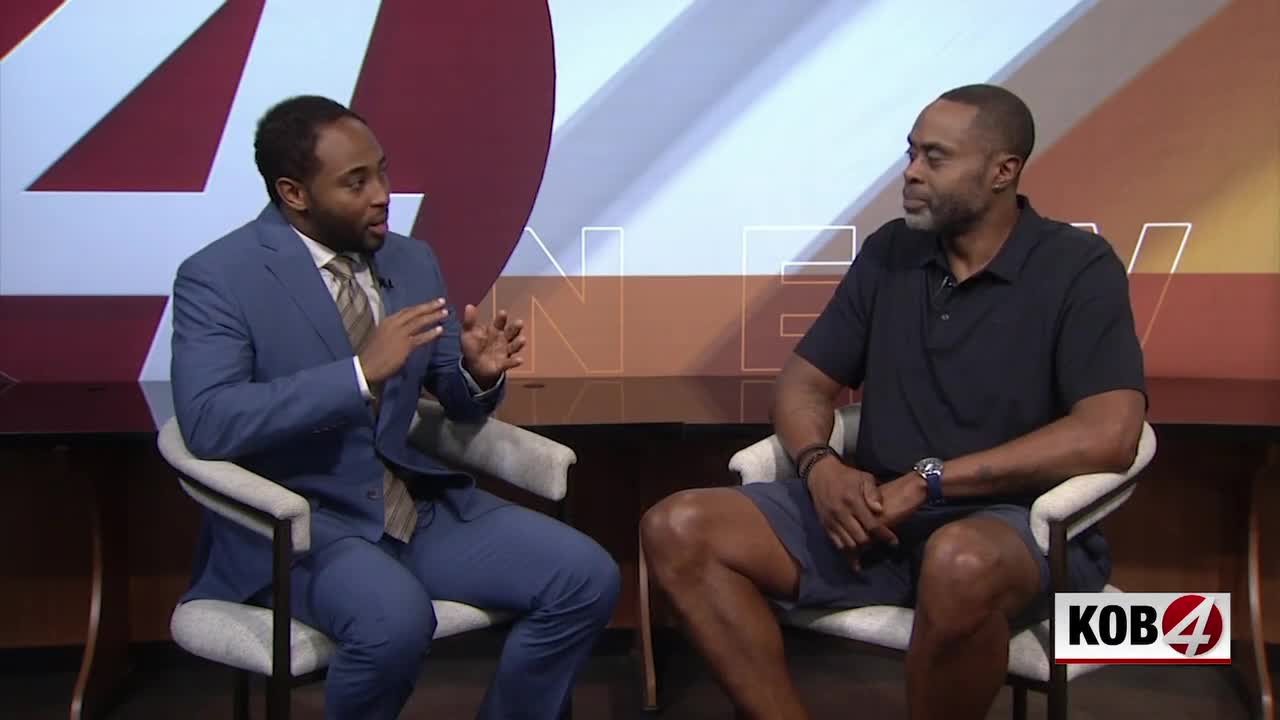
Soon, New Mexico schools will soon vote on whether athletes can transfer one time without sitting out a year under a proposed NMAA rule change. A seemingly simple tweak. But underneath that bland administrative language lies a torrent of passion, aspiration, and often, parental maneuvering that would make any international diplomat proud. You’ve got coaches lobbying, parents calculating, — and kids, well, kids just wanna play. It begs the question: are we nurturing youthful development or accelerating a mercenary culture from adolescence?
It’s not hard to see why this rule change—or any rule change, really—generates such heat. A single decision can dramatically shift the landscape for individual athletes, entire programs, and, by extension, communities. One team’s gain is another’s agonizing loss. We’ve all seen it: a star player bolts, — and the program they leave behind struggles to regain footing. Or a team consolidates talent, suddenly becoming a juggernaut that no one can touch. That’s a dynamic that echoes in boardrooms, even in capitals far away, where economic advantages are similarly hoarded or redistributed.
The status quo, of course, isn’t always fair either. Current rules often punish athletes whose families legitimately relocate or those who simply, honestly, didn’t find the right fit the first time around. Why should a sixteen-year-old be penalized with a lost year for wanting a better chance? On the flip side, what about the potential for rampant school-hopping? Teams becoming feeder programs for bigger fish? Coaches aggressively recruiting middle schoolers? It’s a genuine concern, — and honestly, the incentives become muddled real quick. A 2022 study by the National Federation of State High School Associations (NFHS) indicated that 18% of high school athletes nationally considered transferring schools for athletic reasons each year, suggesting a significant, often suppressed, desire for mobility.
This struggle, it’s not unique to New Mexico. Not at all. You can draw a straight line from this localized debate to broader policy dilemmas confronting nations like Pakistan. Consider how the Pakistan Cricket Board, for instance, navigates the challenge of talent development — and retention. They’re constantly wrestling with maintaining a competitive domestic league while also ensuring their elite players don’t just jump ship for the financial allure of international franchises. They want their homegrown talent to thrive, but also understand the broader global marketplace for athletic prowess. It’s a balance of fostering loyalty — and facilitating opportunity, isn’t it? A regulatory body, whether it’s the NMAA or the PCB, has to walk that tightrope—trying to keep the playing field fair without stifling ambition. Sometimes, they even offer fivefold riches for global glory to keep players tethered.
But back to Albuquerque. If the NMAA approves this single-transfer rule, it changes the game. Literally. You’d probably see an initial flurry of activity, an immediate re-shuffling of rosters across the state. Some schools, those already on the upswing, might benefit hugely. Others, perhaps smaller schools or those without perennial athletic success, might find themselves even further behind. It could intensify the arms race for young talent, professionalizing—or perhaps over-professionalizing—an arena that was supposedly about amateur sport and community pride. And this subtle shift in policy, it won’t just impact athletes; it’ll touch academic funding, school rivalries, and local identities.
These seemingly small policy tweaks often carry surprising weight, sending ripples through communities in ways that are hard to predict. It’s an experiment, isn’t it? One with kids’ futures potentially hanging in the balance. Policy, whether enacted in Santa Fe or Islamabad, almost always comes down to striking a balance: between freedom and order, individual aspiration and communal well-being, disruption and stability. It’s never easy. But it’s always, always interesting.
What This Means
The impending NMAA vote in New Mexico isn’t just about athletic transfers; it reflects a broader tension inherent in any competitive system, be it sports, education, or even national economies. The proposal to allow a one-time transfer without penalty is an economic liberalization of human capital within the scholastic athletic market. It aims to empower the individual athlete with more agency—a concept often lauded in free-market theory—by reducing barriers to mobility. For an athlete, this means an increased ability to seek better coaching, greater exposure, or simply a program that better aligns with their ambitions. That’s a direct gain for individual autonomy — and potential future earnings (i.e., scholarships).
However, the economic implications extend to institutions. Schools, particularly those with less historical athletic success or fewer resources, might find themselves in a perpetual talent drain. The cost of developing raw talent only to see it depart for a rival program can disincentivize long-term investment in athletic infrastructure and coaching at smaller institutions. This could exacerbate existing inequalities, consolidating talent — and power in already dominant programs. The state’s economic landscape, including school district funding that’s often tied to enrollment numbers and extracurricular engagement, could see subtle but persistent shifts. It effectively deregulates a segment of the labor market, potentially increasing short-term efficiency for some, while posing long-term equity challenges for others. It’s the policy equivalent of allowing free agency in a semi-professional league, altering competition dynamics significantly.