


Ivory Coast’s Shifting Sands: The Quiet Economic Surge Beyond the Beaches
POLICY WIRE — Abidjan, Côte d’Ivoire — Forget the glossy brochures. While package deals tout sun-drenched sands and rhythmic beats, West Africa’s economic powerhouse, Côte d’Ivoire, is doing...

POLICY WIRE — Abidjan, Côte d’Ivoire — Forget the glossy brochures. While package deals tout sun-drenched sands and rhythmic beats, West Africa’s economic powerhouse, Côte d’Ivoire, is doing more than simply charming holidaymakers. It’s methodically rebuilding—not just its infrastructure, but its entire global narrative. This isn’t merely about white-sand beaches anymore; it’s about cocoa, connectivity, and a quiet but undeniable geopolitical heft in a region often mischaracterized by its past.
It’s easy to overlook, buried beneath headlines from other corners of the continent, but Côte d’Ivoire has been methodically repositioning itself. The civil conflicts of the early 2000s and a disputed election more recently might still cast a long shadow—some argue, a deserved one—but the nation’s current trajectory suggests a formidable will to move past internal strife. Consider this: in 2022, the International Monetary Fund reported a projected economic growth rate of [QUOTE_PLACEHOLDER] percent, a figure that demands attention. That’s not a mere bounce-back; it’s a testament to robust agricultural output and strategic investment that few other emerging markets can consistently boast.
They’ve leaned heavily into their identity, a distinct fusion of French colonial legacy and deeply rooted indigenous traditions. Abidjan, often dubbed the Manhattan of West Africa, buzzes with an energy that’s palpable. You can’t walk a block without catching the aroma of street food, the flash of vivid ankara fabrics, or the insistent thump of coupé-décalé music. But this cultural richness—this vibrant daily life—isn’t just for show. It’s an engine. And it attracts not just curious travelers, but artists, entrepreneurs, and a rising class of digital nomads looking for something authentically different.
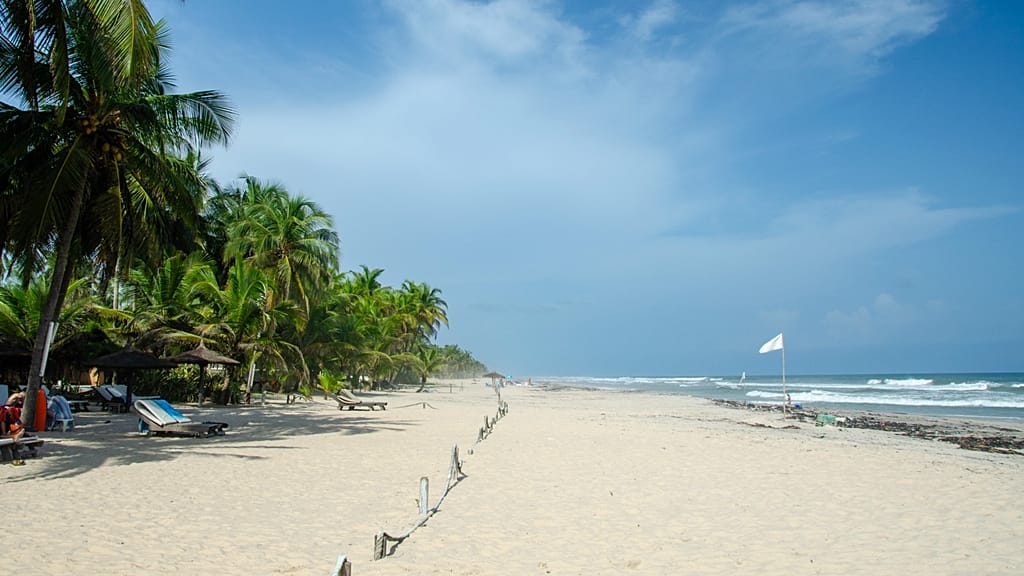
And yes, the beaches are spectacular—Assinie-Mafia, Grand-Bassam. But these aren’t just idyllic backdrops. They’re zones of burgeoning development, attracting boutique hotels and resort chains eager to tap into a continent on the rise. They’ve seen what global tourism can do for a country’s image — and its coffers. It’s a shrewd play. Tourism isn’t just about fun, it’s a soft power projection tool, a way to mend past reputations, and to signal stability to the world’s financial centers. The government’s push for this has been deliberate, even surgical, focusing on infrastructure upgrades and security enhancements. But it’s a long game. They’re banking on the notion that if you build it, people will eventually not only come, but invest.
Culturally, too, the country punches above its weight. Its musical influences, especially the distinctive Nouchi argot that weaves French with local dialects, permeate West African pop culture. Fashion, art, and a particular zest for life make Ivoirians some of the most visible cultural ambassadors on the continent. This cultural footprint often predates formal economic ties. But how many investors decide to give a country a second look because they fell in love with its music? More than we think, probably.
The government’s stated aims involve solidifying its position as a regional hub—logistical, financial, and cultural. This isn’t a passive hope; it’s an active campaign. Port expansion projects, highway constructions linking landlocked neighbors, and digital infrastructure rollouts are all part of the blueprint. This strategy, naturally, attracts attention from beyond its immediate neighbors. For instance, countries within the broader Muslim world, like Pakistan, with their own dynamic youth populations and emerging economies, might find interesting parallels or even direct investment opportunities here. There’s a shared entrepreneurial spirit, a desire for rapid modernization, and often, an overlooked historical connection through trade routes that once crisscrossed the Sahara.
But the true measure of their success won’t just be the influx of tourist dollars or FDI. It’ll be the ability to create broad-based prosperity, to genuinely uplift the populace, not just those in the coastal enclaves. That’s the real challenge. It’s an economy still heavily reliant on cocoa, after all, — and that means susceptibility to commodity price swings. Diversification isn’t just a buzzword here; it’s a matter of national economic security. And it’s a conversation that echoes across continents, whether you’re talking about the fluctuating fortunes of regional sports enterprises in Asia or the strategic economic gambits made at a global scale. This push for stability and diverse economic engagement puts Côte d’Ivoire into conversations far beyond typical African development discourse, framing it more as an agile player in the evolving global economy.
What This Means
The quiet ambition radiating from Abidjan signals a crucial policy shift in how emerging nations approach their international image and economic security. For policymakers watching global economic patterns, Côte d’Ivoire offers a case study in resilience and strategic rebranding. Its post-conflict rebound, fueled by agricultural prowess and a deliberate cultural promotion, suggests that genuine national revival stems from a blend of hard infrastructure and soft power—even an appeal to an unexpected culinary heritage. Its continued focus on regional connectivity transforms it from a mere participant to a vital linchpin, effectively increasing its geopolitical leverage in West Africa. This creates ripple effects, compelling regional blocs like ECOWAS to take notice and potentially influencing trade routes and investment flows further afield.
From an economic standpoint, the nation’s success—or its perceived success—could draw increased interest from diversified investors looking for stable growth in historically volatile markets. For countries in the Muslim world, such as Pakistan, its strategic location on trade routes and its own substantial Muslim population make it a compelling partner for South-South cooperation. Shared cultural touchpoints, too, provide avenues for cultural exchange and soft diplomacy, creating deeper relationships than mere commercial transactions. But leaders shouldn’t confuse current growth with a solved equation. The nation still battles wealth disparity — and structural unemployment. Therefore, continued, thoughtful policy implementation and diversification remain absolutely critical to solidify its gains and ensure sustainable, equitable growth rather than a mere fleeting moment in the sun.