

Digital Dust Storm: Old Metro Blast Video Stokes Venezuelan Anxieties, Echoes Global Disinformation Wars
POLICY WIRE — Caracas, Venezuela — Sometimes, the past isn’t just history; it’s a digital phantom, re-emerging with malicious intent to sow chaos in the present. This week, as genuine...

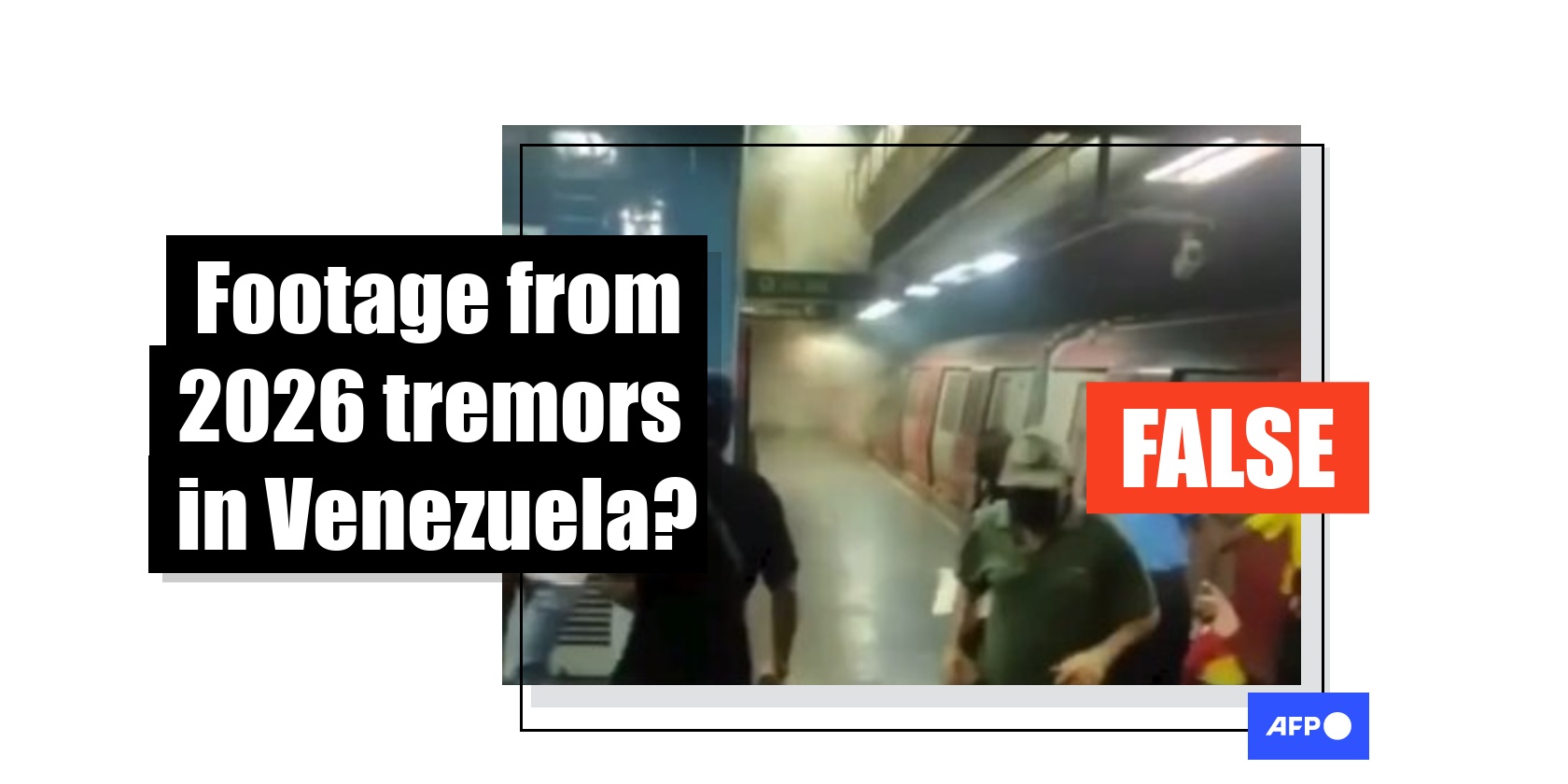
POLICY WIRE — Caracas, Venezuela — Sometimes, the past isn’t just history; it’s a digital phantom, re-emerging with malicious intent to sow chaos in the present. This week, as genuine tremors rattled parts of Venezuela, social media pulsed with the jarring image of a subway station engulfed in an apocalyptic fireball. It wasn’t just dramatic footage—it was weaponized, claiming to capture the latest destruction in a nation already teetering. Only, the inferno wasn’t recent, — and it wasn’t even an earthquake casualty. It was a three-year-old memory, a painful echo from a different year, different context: a 2021 transformer explosion in Caracas’s Capitolio station.
It’s a peculiar kind of psychological warfare, isn’t it? To take a verified past tragedy and overlay it onto current anxieties, fabricating a narrative designed to amplify fear and instability. For a country like Venezuela, already contending with severe economic dislocation, a fragmented political landscape, and persistent geological unease (indeed, the real, recent seismic events prompted widespread concern), this kind of digital fakery lands with a particularly cruel punch. But this isn’t an isolated incident. This tactic—recycling old footage to invent present crises—has become a hallmark of a global information battlefield where reality often bends to agenda.
“We’ve seen these tactics play out for years,” stated Dr. Fatima Khan, a Senior Analyst specializing in digital forensics and media manipulation at Islamabad’s Centre for Strategic Studies. “It’s about seizing a moment of genuine vulnerability, a real disaster or conflict, and then injecting fabricated or decontextualized content. Because in those chaotic first hours, verifiable information is scarce, — and emotion runs high. That’s when lies thrive.” Dr. Khan points to numerous instances across South Asia and the broader Muslim world, where old protest footage, unrelated conflict zones, or even video game clips have been used to inflame communal tensions or delegitimize political opponents. Her recent research found that during peak social unrest, the average speed of sharing decontextualized video content outpaced fact-checked corrections by a staggering factor of six within the first hour of dissemination.
And Venezuela, grappling with its own multifaceted internal struggles, provides fertile ground for such manipulative narratives. For the nation’s political elite, navigating allegations of corruption and persistent calls for change, these incidents often present a double-edged sword. On one hand, they highlight the precariousness of national infrastructure, a tangible reflection of broader governmental challenges. On the other, they offer an opportunity to decry external meddling and rally support against perceived foreign adversaries.
“This isn’t just some random hoax circulating among gullible individuals,” snapped Venezuelan Minister of Communication and Information, Freddy Ñáñez, during a hastily called press briefing. His voice carried a thin veil of controlled anger. “This is a coordinated effort, propagated by interests intent on painting our republic as a collapsing failed state. It’s a psychological assault designed to erode public trust, precisely when our emergency services are responding to genuine natural phenomena. They’re trying to generate panic. We won’t let them.” It’s a familiar refrain from Caracas: any internal dissent or systemic failure can always be traced back to foreign hands, and particularly, the digital sphere’s anonymity makes it a convenient, often untraceable, scapegoat.
But blame deflection aside, the practical consequence remains. First responders, already stretched thin, sometimes face the unnecessary burden of addressing fabricated incidents. Citizens, fearing for their lives, inundate official channels with queries about phantom explosions, diverting critical resources. It’s a classic information cascade, where the false eventually overwhelms the true, not necessarily by direct replacement, but by muddying the waters so thoroughly that nothing feels truly certain anymore. And that, in an already unstable region, can have very real consequences, economic — and social.
What This Means
This incident isn’t merely a gaffe or an accidental share; it’s a stark reminder of the sophisticated—and often mundane—weaponry in the modern information war. The strategic repurposing of old trauma into present panic serves multiple political ends. For state actors or opposition groups keen on highlighting state failure, it’s a potent visual shorthand, bypasses pesky fact-checking with emotional resonance. For foreign entities seeking to influence regional stability, it offers an inexpensive, high-impact tool for demoralization or incitement. Economically, such widespread, fear-inducing content can trigger knee-jerk market reactions, deter investment, or simply contribute to an already deteriorating sense of national confidence, which directly impacts everything from bond yields to tourism revenue. It’s not just about a mistaken video, it’s about a concerted effort to break down the public’s ability to discern truth, and consequently, to function effectively as a society. That’s a far more dangerous quake than any geological shift could ever manage.
Ultimately, these digital ghosts reflect a deeper vulnerability: societies across the globe are struggling with an inability to collectively vet information. In nations already susceptible to unrest, this breakdown isn’t just a nuisance—it’s a critical threat multiplier. And no matter where you are, from the dusty streets of Quetta to the rumbling metro tunnels of Caracas, managing this deluge of misdirection is fast becoming the preeminent security challenge of our age.