


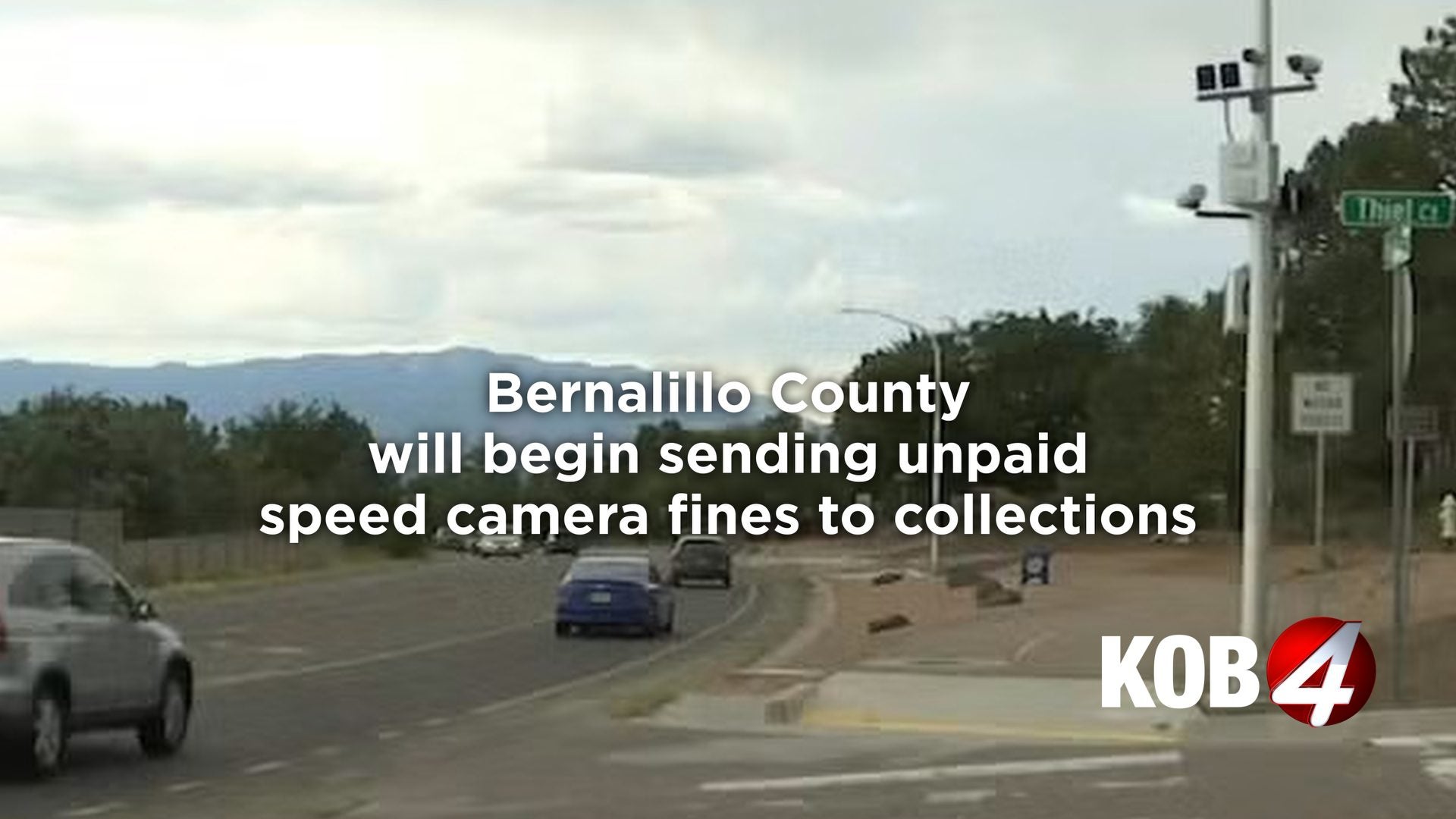
Bernalillo County Declares War on Slow Payers: Speed Camera Fines Headed to Collectors
POLICY WIRE — Albuquerque, N.M. — It’s a strange thing, a photo from a traffic camera. A tiny moment of indiscretion, caught on pixels, transmuted into a governmental pronouncement—a citation. But...

POLICY WIRE — Albuquerque, N.M. — It’s a strange thing, a photo from a traffic camera. A tiny moment of indiscretion, caught on pixels, transmuted into a governmental pronouncement—a citation. But for Bernalillo County, these bits of digital data represent far more than simple moving violations; they symbolize a challenge, an affront even, to public order and, crucially, to the balance sheets. The days of letting those particular challenges linger unaddressed? They’re done. Kaput. The county, after what officials call “ample deliberation,” is dispatching legions of unpaid speed camera fines straight into the maw of collection agencies, kicking off a new era of enforcement for New Mexico’s most populous region.
It’s not just about speed anymore, is it? This move signals a hard-nosed governmental pivot—a stark, pragmatic response to a perceived scofflaw culture and, let’s be honest, an enduring budget shortfall. Within the next fortnight, thousands of motorists in Bernalillo County who thought they’d simply outwait the system will discover their names (and outstanding balances) shipped off to Municipal Collection of America (MCOA). And make no mistake, once it’s there, it’s not a friendly chat anymore. It’s a collections agency. They aren’t known for their patience. You’ll need to resolve things directly with MCOA now, through full payment, an approved payment plan, or by proving the car wasn’t even yours when that yellow flash went off.
“We’ve extended every courtesy, offered every pathway to resolution imaginable for these drivers,” stated County Commissioner Adriana Lopez, her voice tinged with a weariness born of endless debates over public coffers versus perceived governmental overreach. “But when nearly 30% of automated enforcement citations remain unpaid beyond the initial grace period—a figure our own data shows has held steady for two years now—it’s not about forgiveness anymore. It’s about fairness to the taxpayers who *do* comply and maintaining the integrity of our traffic safety programs.” She doesn’t mince words; the county has, indeed, run out of road on this issue. (You can almost hear the gavel, right?).
But there’s a darker side, or at least a deeply concerning one, for many residents. For some, these fines aren’t just an annoyance; they’re an economic trapdoor. “This isn’t simply about folks ‘choosing’ not to pay a ticket,” countered Elena Rodriguez, a long-time community advocate with the New Mexico Civic Alliance. “For low-income families, or those navigating the precarious gig economy, a $100 fine can translate into groceries missed, rent delayed. And then, once it hits collections, it’s a black mark on a credit report, making it harder to secure housing, employment—it’s a systemic spiral, truly, and it punishes those who are already struggling the most.”
Because, as Ms. Rodriguez points out, that kind of formal, credit-impacting enforcement isn’t merely about collecting cash; it’s about wielding institutional power, about how economic friction translates into deeper societal rifts. One need not look as far as Karachi or Cairo to understand how deeply embedded administrative dictates can impact daily life, but those places certainly offer cautionary tales. When the formal mechanisms of the state meet an informal reality of strained household budgets, the collision is rarely pretty, often widening the chasm between citizens and the institutions meant to serve them. It’s a bureaucratic squeeze, one that mirrors—albeit in a vastly different context—the broader global discourse on regulatory burdens and citizen buy-in.
And let’s not forget the attendant headaches, shall we? Scam artists, as predictable as sunrise, are already leveraging the county’s enforcement push. Officials have warned locals to expect legitimate collection notices only via certified U.S. mail from MCOA—featuring a specific citation number and clear instructions. Any random text, any odd email demanding immediate payment from some unrecognizable number? It’s a trick. But given today’s complex digital communication landscapes, discerning real from fake often requires a level of diligence few possess in their everyday scramble. MCOA may call later, but only after that certified letter, — and from a verified number: 708-455-4046. The Automated Photo Speed Enforcement Program at 505-859-5362 is also there to clarify any doubts.
What This Means
The county’s aggressive posture on collections isn’t just a localized bureaucratic tweak; it’s a window into the evolving landscape of local governance and its interface with citizen behavior and, critically, municipal revenue. Economically, this move intends to shore up county coffers, potentially channeling tens of thousands—if not hundreds of thousands—of dollars into public services. But it also creates a fresh layer of financial precarity for certain demographics, transforming what might have been a minor traffic infraction into a longer-term debt obligation that can sting a credit score. Politically, this represents a balancing act: appearing tough on law and order while navigating accusations of targeting the vulnerable. Will it actually improve road safety, or simply generate a fresh wave of public discontent and bureaucratic entanglement? That remains to be seen. It’s a wager, frankly, on whether the perceived deterrent effect and financial gain outweigh the social cost and administrative overhead. The collection process itself will likely be cumbersome for citizens and county officials alike, creating a fresh workload and public inquiries that could bog down services. in a climate where public trust in governmental institutions is already under strain, overly aggressive fine enforcement, however well-intentioned, can inadvertently fray the bonds between a government and its people—a phenomenon not unfamiliar in various global political arenas, including some parts of South Asia where such decrees often breed more resentment than compliance. These aren’t simple accounting adjustments; they’re deep cuts into the existing societal fabric. What starts as a fine could very well become a larger conversation about the role of the state, personal liberty, and economic fairness in modern America, reminiscent of more far-reaching policy decisions detailed in global dialogues, such as discussions surrounding complex international policy mandates and their economic ripples.