


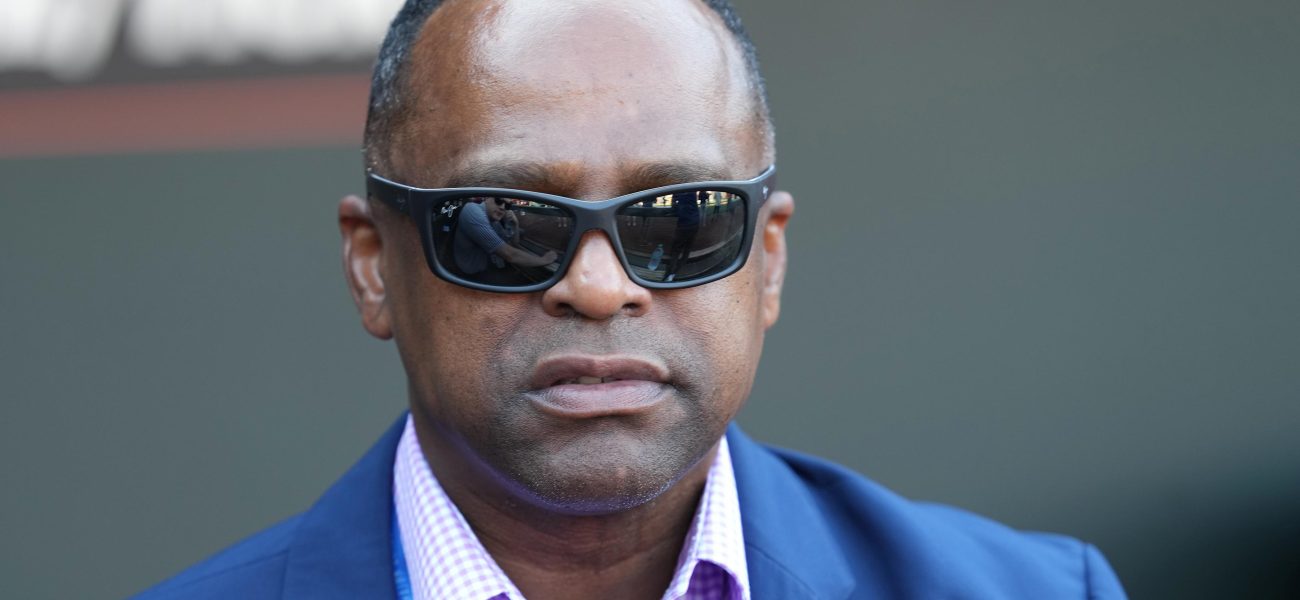
Houston Astros’ GM Dana Brown Faces Championship Reckoning: ‘Win or Bust’ at the Deadline
POLICY WIRE — Baltimore, Maryland — The clock’s ticking for Houston Astros General Manager Dana Brown. You can almost hear the gears grinding in owner Jim Crane’s head, the silent demands...

POLICY WIRE — Baltimore, Maryland — The clock’s ticking for Houston Astros General Manager Dana Brown. You can almost hear the gears grinding in owner Jim Crane’s head, the silent demands for October baseball echoing through the front office. Brown isn’t just looking to augment a roster; he’s scrambling to preserve his job. The trade deadline isn’t some polite business formality for him; it’s a brutal, existential audit, a single roll of the dice in a game played for keeps.
It’s clear Brown’s getting no gentle hand-holding from the owner’s suite. Crane, a man whose patience often evaporates faster than dew on a Texas summer morning, reportedly won’t tolerate missing the postseason again. And why would he? This isn’t a development team. This isn’t a charity. It’s a championship enterprise, a machine built to win. When pressed on his current strategy, Brown—ever the pragmatist—acknowledged the raw truth: “We aren’t in the business of standing still; we’re in the business of securing championships. That means tough decisions, yes, but we answer to an expectation of excellence, nothing less.”
Insiders confirm Brown has been busy fielding calls, though his stance isn’t exactly a secret. Teams poking around about being a ‘seller’? Forget about it. They’re just wasting bandwidth. The Astros need bullpen help, a left-handed hitting outfielder—desperate, immediate infusions of talent. They’ve improved, certainly, climbing from a low of 10.7% playoff odds on May 15 to a more respectable 33.1% today, according to Fangraphs. But ‘respectable’ won’t cut it when your boss measures success in rings, not percentages.
The stakes couldn’t be higher. Brown’s contract ends this year; no extension’s in sight. His early tenure has been a choppy sea of injuries — and underperformance, a stark contrast to the dominant years. But it’s not just bad luck. He’s been criticized, in quiet whispers and louder pronouncements, for failing to retain key players, not shoring up the pitching staff after losing Framber Valdez, and watching young outfielders falter. Because, let’s be honest, those offseason moves — Imai, Burrows, Weiss — they haven’t panned out how everyone hoped. So now, the deadline is his last shot at redemption.
And Crane isn’t one to shrink from aggressive deadline plays. We’ve all seen it: Justin Verlander, twice; Carlos Correa. If there’s an impact player available, one who genuinely swings the needle, Crane’s shown he’ll greenlight exceeding the luxury tax. He’ll stomach the penalties, too, if it means a pennant race. This isn’t about frugal management; it’s about making a statement.
But Brown’s cupboard of MLB-ready prospects is rather thin. His top prospects, Kevin Alvarez and Xavier Neyens, are 18 and 19 years old, still years away from stepping onto a big-league diamond. They won’t ever share a locker room with Jose Altuve or Yordan Alvarez if you’re waiting for that timeline. That creates a dilemma: do you guard your long-term future, or do you mortgage it to win *now*? Because ‘now’ is all Brown’s got. As one league executive, who requested anonymity due to ongoing trade discussions, put it: “For a GM in that position, it’s not about finding value. It’s about finding a heartbeat, no matter the price. They’re running on fumes, — and the owner knows it.”
The potential for a future lockout further complicates matters. Acquiring rentals, players in the final year of their contracts, becomes a much more attractive proposition. They’re cheaper to acquire, needing less prospect capital, mitigating the risk of giving up young talent for potentially short-term gains, or losses. It’s a calculated gamble, trading tomorrow’s promise for today’s certainty. But it’s a gamble Brown’s forced to make.
What This Means
This situation goes far beyond the chalk lines of a baseball field. It’s a textbook case of high-stakes corporate leadership, a snapshot of executive precarity in competitive industries worldwide. For Brown, it’s about navigating an owner’s uncompromising vision against the brutal realities of roster construction and market value. It sets a precedent, too, signaling to other GMs and corporate heads across the sports — and indeed, the business — landscape that institutional patience wears thin when immediate returns are expected. From the boardrooms of burgeoning economies to established powerhouses, the demand for sustained excellence at the top often means a ruthlessly short leash for executives. You find parallels in places like Pakistan’s super league management, where pressure from passionate fanbases and powerful club owners can lead to equally swift, unceremonious changes at the helm. It reminds us how executive calls often skew fair play for individuals, despite benefiting the organization. Brown’s actions here won’t just affect the Astros; they’ll echo in discussions about executive turnover and resource allocation across major sports, impacting valuations for young talent and reinforcing the age-old business adage: adapt or perish. It’s less a sporting narrative, more a brutal display of market force.