

Caracas Crumbles: Venezuela’s Endless Tremors Expose Nation on Brink
POLICY WIRE — Caracas, Venezuela — The earth here doesn’t just rumble; it sighs, a long, weary exhalation that sends tremors through buildings already straining from neglect. This isn’t...

POLICY WIRE — Caracas, Venezuela — The earth here doesn’t just rumble; it sighs, a long, weary exhalation that sends tremors through buildings already straining from neglect. This isn’t just about the numbers ticking upwards, a cold, clinical count of lost lives now standing at a horrifying 188. It’s about the relentless, gnawing uncertainty of the ground beneath your feet, a seismic nightmare layered onto a nation that was already teetering.
Picture it: days turn into weeks, — and those small jolts, the aftershocks, keep coming. They don’t just frighten; they destabilize. They turn minor damage into gaping wounds, hope into a dull ache. For a populace already contending with an economy in tatters and an infrastructure seemingly held together with good intentions and frayed wires, these repeated geological indignities are a crushing blow. We’re talking widespread blackouts, intermittent water, — and aid that’s a trickle, not a flood. People here? They’ve had it tough for years. This latest disaster just adds a fresh layer of despair.
President Nicolás Maduro, ever the defiant statesman in the face of calamity, acknowledged the devastation. “Our people are resilient, they’ve proven it again and again against external pressures and now against nature’s fury,” he stated in a televised address, his voice firm. “We won’t break. And those who seek to use this tragedy for political gain will find no purchase among our united spirit.” It’s a familiar refrain, one that glosses over the internal strife and decades of underinvestment now brutally exposed by the shaking earth. It’s almost too neat, isn’t it, to always point fingers elsewhere.
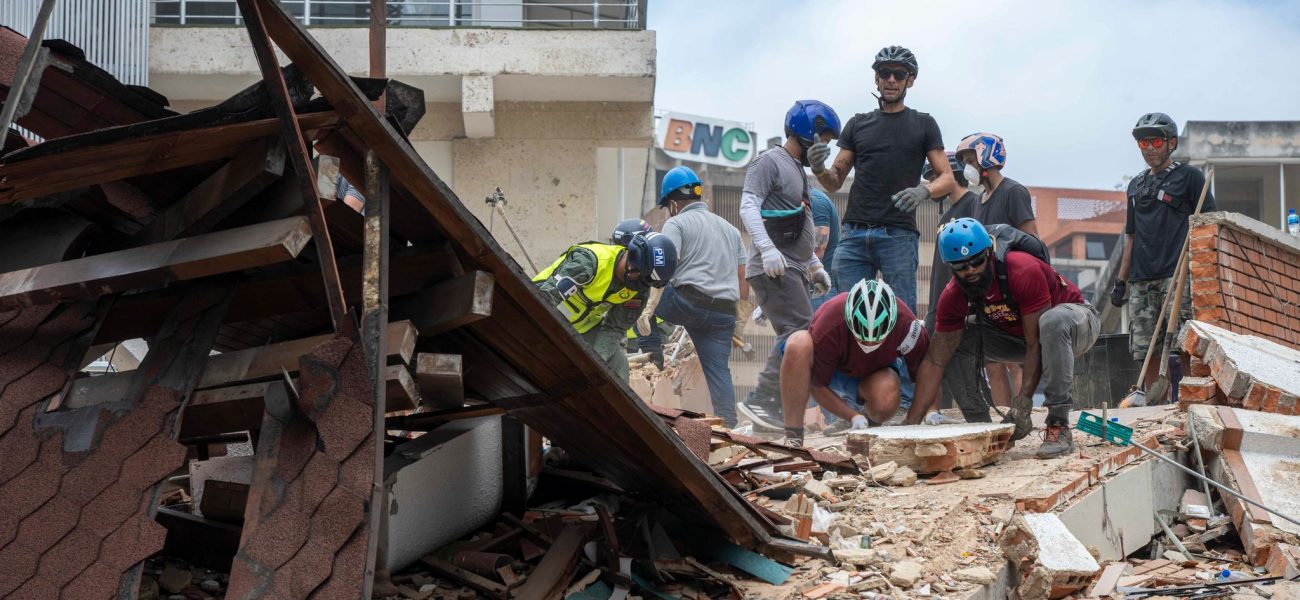
But the grim reality on the ground paints a different picture. Rescuers, working under punishing conditions, often lack the specialized equipment they need. Hospitals? They’re already overwhelmed, short on medicine — and supplies. This isn’t a surprise. According to a grim tally from a UN agency several years back, approximately 60% of urban residential structures in the hardest-hit regions were built well before modern seismic codes even entered the conversation, practically inviting catastrophe when the ground inevitably did its dance. And here we’re.
“The sheer scale of need is staggering, and logistical challenges are making direct aid deployment exceptionally difficult,” lamented Jan van der Ploeg, an emergency coordinator for Doctors Without Borders, from a provisional relief station in Maracaibo. “Access to clean water, basic medical supplies, — and shelter is quickly becoming a crisis within a crisis. We’re stretched thin, terribly thin.” But where’s the global outpouring that sometimes accompanies these mega-disasters? That’s what many are wondering.
This situation can’t help but draw parallels, albeit with a dark twist. Think back to major seismic events in places like Pakistan, particularly the devastating 2005 earthquake. While aid efforts there also faced immense logistical hurdles – the rugged terrain of Kashmir being one – the international community mobilized with a speed and generosity that, frankly, Venezuela just isn’t seeing now. Donations poured in; rescue teams from across the Muslim world — and beyond flocked to assist. It’s a sobering contrast: nations deemed geopolitically strategically significant or diplomatically aligned often receive quicker, more robust help. Venezuela’s isolation, a consequence of its protracted political — and economic struggles, leaves it hanging.
The human suffering is immense. And it’s not just the immediate destruction. People lose homes, livelihoods, their sense of security. Try picking up the pieces when the pieces keep shaking themselves apart. It’s a grim cycle. What will become of the hundreds of thousands now displaced, their lives irrevocably altered?
What This Means
The cascading impacts of these Venezuelan tremors are likely to be profound, rippling far beyond the immediate humanitarian tragedy. Politically, the Maduro government finds itself in an even more precarious position. Its capacity to effectively manage the crisis – to rebuild, relocate, and restore services – will undoubtedly be measured against an already low bar of public trust and competence. A poor response could fan the flames of domestic discontent, possibly reigniting calls for political change or even deeper societal fissures. International sanctions, while ostensibly aimed at the government, will continue to squeeze the general populace, making both immediate relief and long-term recovery efforts significantly harder.
Economically, this is another nail in an already well-sealed coffin. Infrastructure, already crumbling, now requires rebuilding or extensive repair – a monumental task for a nation whose oil production, once its golden goose, is a shadow of its former self. Foreign investment? Not exactly knocking down the doors here, not when political instability — and sovereign risk are so high. The potential for a stagnant economy to plunge further into recession becomes a virtual certainty. the long-term mental health toll on a population already dealing with chronic scarcity and upheaval cannot be overstated. This earthquake isn’t just an event; it’s another agonizing chapter in Venezuela’s protracted struggle, one where the earth itself has now joined the ranks of its adversaries.