

Milwaukee Bucks’ Gamble on Global Talent: Ailing Prospect Hints at NBA’s Shifting Economics
POLICY WIRE — Milwaukee, USA — Call it a bargain-basement gamble with big-league aspirations. The Milwaukee Bucks, not content with their top picks, went digging in the deepest corners of the draft,...

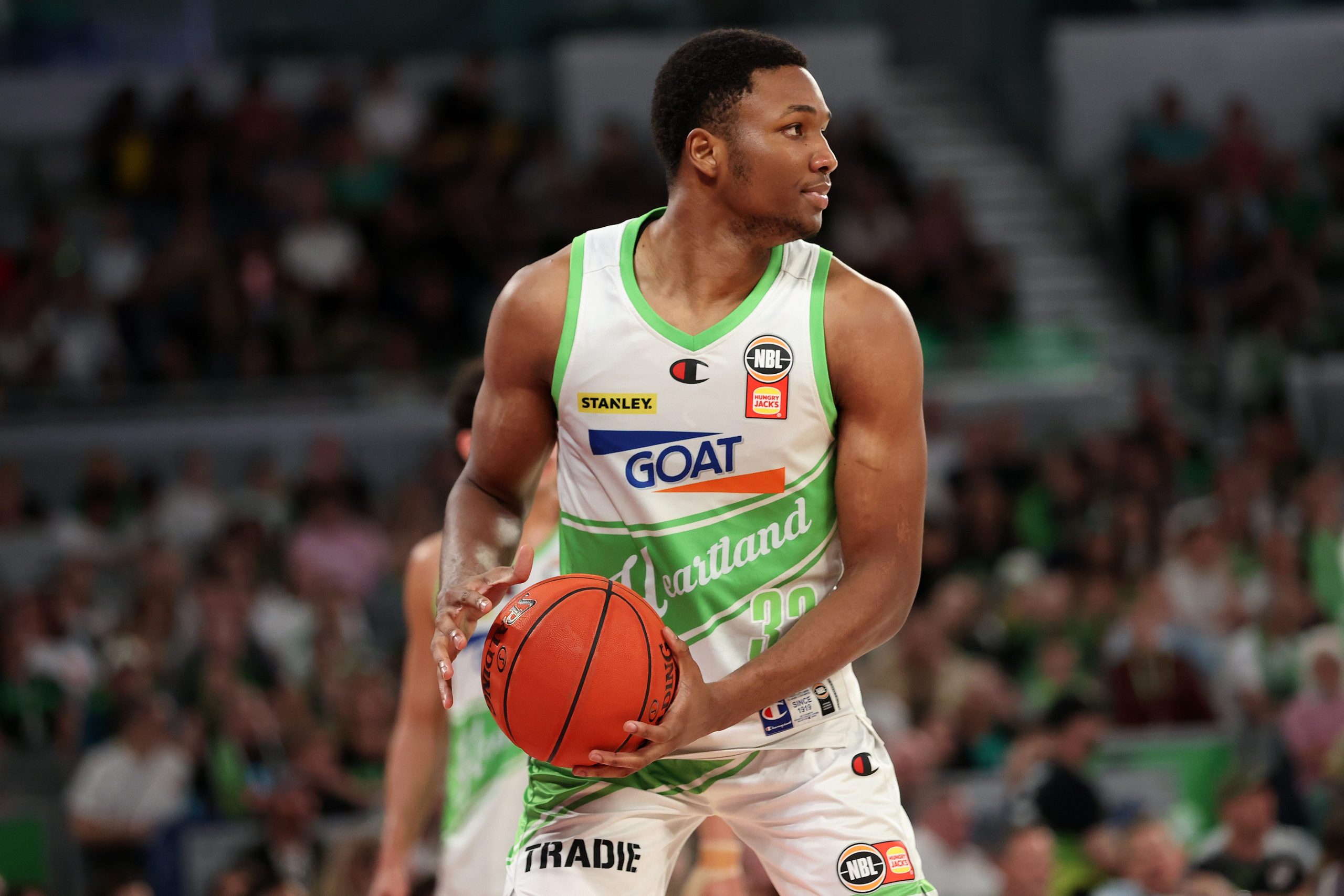
POLICY WIRE — Milwaukee, USA — Call it a bargain-basement gamble with big-league aspirations. The Milwaukee Bucks, not content with their top picks, went digging in the deepest corners of the draft, shelling out a bit of cash for the 60th and final selection—a peculiar acquisition given the astronomical figures usually tossed around in professional sports. Their target? Malique Lewis, a Trinidadian forward whose global hoops odyssey has been less straightforward, complicated by a string of worrying medical revelations. This wasn’t about splashy headlines, not really. It was about chasing the edges of potential, where the rewards can be massive but the risks loom just as large.
But that’s the thing with the modern NBA, isn’t it? It’s not simply about picking the consensus best player anymore. It’s a multi-layered chess match, blending astute financial maneuvers with an ever-expanding global scouting apparatus. The Bucks, already on the cusp of seismic shifts with superstar Giannis Antetokounmpo’s rumored departure, needed cheap talent, speculative assets. And Lewis, despite his recent health scares—a collapsed lung in November, then a pre-existing heart condition flagged at the G-League combine in May—fit the bill. He’d already traversed continents, playing for South East Melbourne in Australia’s NBL, before stints in Spain’s Liga ACB and the G-League’s Mexico City Capitanes. That’s quite the mileage, eh?
His medical hurdles are serious, absolutely. A collapsed lung? A heart condition? The league’s fitness-to-play panel, bless their diligent hearts, ultimately gave him the green light, but those red flags don’t just disappear. They factor into value, always. That’s why he was there, at pick 60, after all. “He’s that ‘three-and-D’ guy, right? Exactly what teams scour the globe for, the perfect prototype for today’s game if he stays healthy,” offered Fran Fraschilla, the seasoned ESPN draft analyst, during the broadcast. Fraschilla, he’s seen a few drafts, and knows what he’s talking about when it comes to identifying that specialized skill set.
And yet, here’s a team spending actual currency, not another pick, to snatch up a kid whose journey began miles from any traditional basketball powerhouse. This strategy, you see, speaks volumes about where the game is going. For cash consideration, the Bucks landed a player whose raw potential, particularly his shooting prowess—he upped his three-point accuracy to 38.7% last season from a rather anemic 29.4% in the NBL, per league statistics—could be a steal. It’s a testament to the league’s evolution; no stone left unturned, no corner of the world un-scouted.
This relentless hunt for global talent isn’t just about winning games, though that’s obviously the goal. It’s also about opening new markets, finding new fans. Consider the growing emphasis on sports development across diverse geographies. From the nascent basketball programs springing up in places like Pakistan to the established leagues in Europe and Australia—they’re all feeding grounds for this global enterprise. A scout I once spoke with, someone who’s logged more air miles than a commercial pilot, put it plainly: “Look, a team like Milwaukee? They’re always sifting through the corners of the basketball world. That’s where you find value, but also risk. It’s an educated gamble, a global fishing expedition, and sometimes you net a shark.” It’s messy, sure, but often worth it.
The Bucks have shown a particular affinity for the NBL, having also drafted AJ Johnson from that very league in 2024. But Lewis? He’s a different beast entirely. His profile is less about established credentials and more about a speculative lottery ticket—one acquired at a discount, naturally. He won’t even turn 22 until November. This isn’t just an isolated draft pick; it’s a peek into the intricate financial and talent-acquisition machinations underpinning the modern NBA. You can read more about these broader trends and the economic stakes involved in the “Draft Night Millions: NBA’s Annual Rite Unearths Futures, Funds, and Global Aspirations” analysis we ran a while back. The money flowing through this league, it’s something else.
What This Means
This seemingly minor acquisition of the 60th pick, purchased with cash, speaks volumes about the shifting economics and expanding geopolitical footprint of professional basketball. For one, it highlights the increasing financialization of draft capital; teams like the Bucks are willing to deploy hard cash for even the slimmest chance at unearthing talent, especially for a player with potential ‘three-and-D’ utility. It’s a stark contrast to older paradigms, where draft slots were strictly earned, not purchased outright like a commodity on the open market. This practice allows financially robust franchises to consolidate future assets, creating a strategic advantage over those with tighter budgets.
Then there’s the broader soft power angle. The NBA’s ever-deepening reliance on international scouting pipelines—from Trinidad to Australia to Spain, and soon perhaps directly from developing basketball regions in South Asia or the Muslim world—isn’t just about improving team rosters. It’s a powerful cultural export. By providing clear pathways to global superstardom, the league subtly extends its influence, fostering new fan bases and inspiring millions in countries that might not typically align with American sports. It creates an aspirational model, one where economic opportunity and cultural integration are intrinsically linked through the pursuit of athletic excellence. The Bucks’ choice, therefore, isn’t just a basketball decision; it’s a microcosm of the global sporting economy, where talent is borderless, and opportunity, when paired with risk, commands a tangible price.