

Caracas Tremors: Earth’s Unsettling Jolt Rattles Venezuela’s Fragile Core
POLICY WIRE — Caracas, Venezuela — The earth, it seems, has little regard for a nation’s already strained stability. A series of powerful seismic events recently rumbled through Venezuela, sending an...

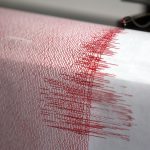
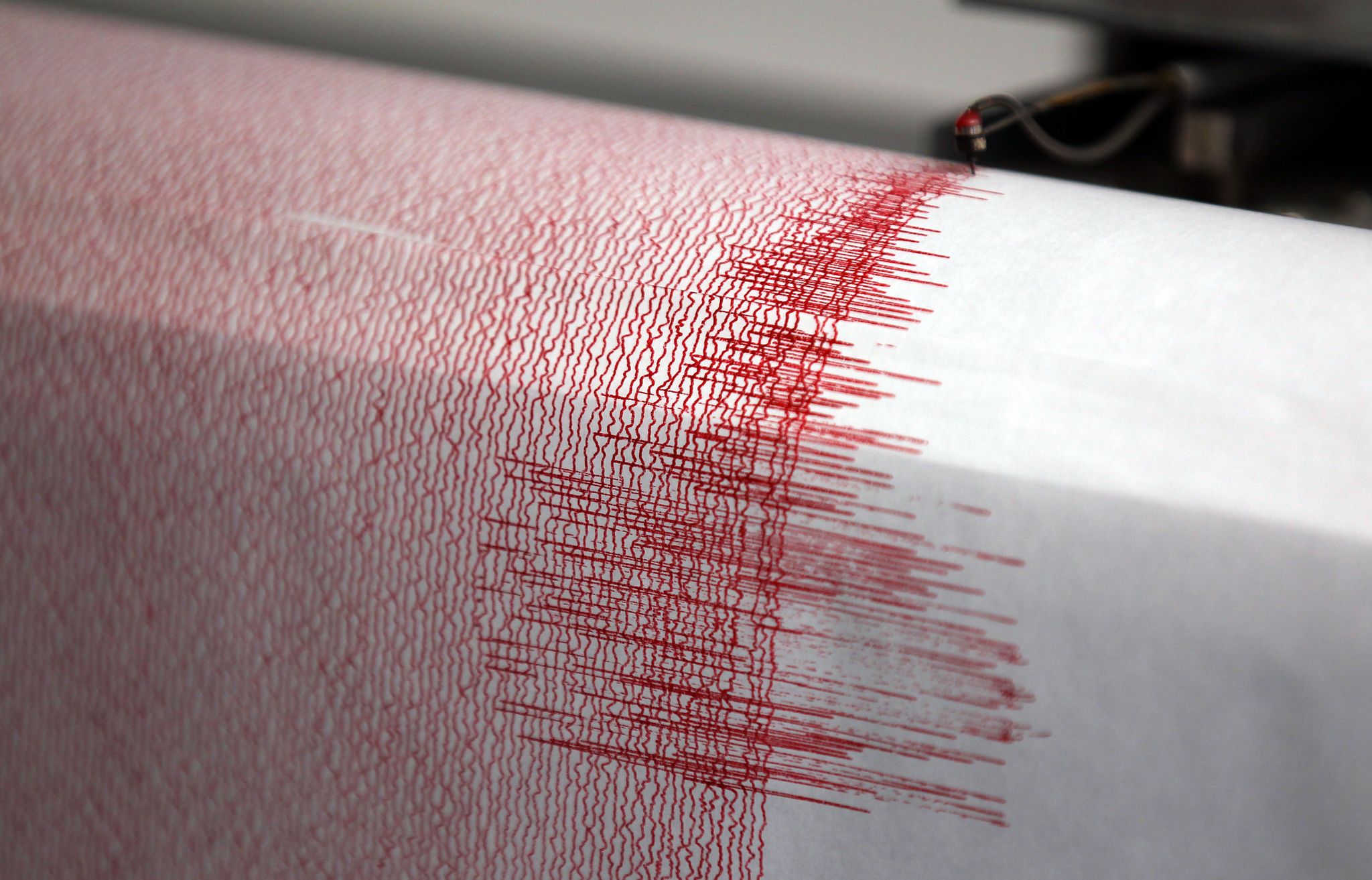
POLICY WIRE — Caracas, Venezuela — The earth, it seems, has little regard for a nation’s already strained stability. A series of powerful seismic events recently rumbled through Venezuela, sending an already skittish populace into the streets. For a country perpetually teetering on the edge of socioeconomic collapse, these geological anxieties just piled on. It wasn’t the first tremor that shook things up, but rather the cumulative unease that clung to the air afterwards, heavy like a coming storm. Buildings swayed, communication lines flickered—and for a few disorienting minutes, the ground itself became another hostile element in a country battling so many of them.
It’s an open secret that infrastructure in many parts of Venezuela, especially Caracas, has seen better days. Decades of underinvestment — and a sputtering economy mean even minor incidents can quickly escalate. But a ‘powerful earthquake’—that’s a different beast entirely. Details remain fuzzy, but early reports spoke of significant structural damage in localized areas. Residents didn’t know what to do; where to go. Some simply stood stunned, gazing at cracks spiderwebbing across their apartment blocks. Fear etched itself onto countless faces, a raw, primal dread that cut through the daily grind of survival. For ordinary Venezuelans, this wasn’t just a natural disaster; it’s another harsh reminder of how precarious everything feels, every single day. [QUOTE_PLACEHOLDER]
Initial data, provided by the U.S. Geological Survey (USGS) and widely reported, indicated that the most significant tremor registered at a magnitude of 6.3. And that’s big. It’s the kind of shake that buckles bridges, topples chimneys—you get the picture. Caracas felt it acutely. There were reports of evacuations from high-rise buildings across the capital. Imagine being hundreds of feet up, feeling your world heave. People grabbed their kids, their pets, whatever they could, scrambling for open spaces. The streets swelled with people, a nervous, expectant hum filling the spaces between aftershocks. Because in a country like this, one incident often cascades into another.
But the true cost of such an event isn’t always immediately tallied in collapsed buildings or cracked highways. It’s also measured in shattered nerves, in the quiet anxiety of tomorrow. How many small businesses, barely clinging on, just took a final hit? How many families lost their meager belongings, now piled in rubble? This isn’t some pristine, well-drilled emergency response in a Nordic welfare state. No, this is Venezuela. Its institutions are fragile. Its populace is already stretched. A significant natural disaster—one that can, say, displace hundreds or thousands—places an unconscionable burden on an already-collapsed social safety net.
Geopolitically, the Venezuelan context is messy. The government’s grip on resources, particularly oil, remains firm, but its international standing has long been complicated by sanctions and accusations of authoritarianism. That often makes international aid efforts tricky, almost impossible. Don’t expect immediate, open-armed assistance from every corner of the globe. Any rescue or rebuilding effort becomes entangled in political rivalries — and diplomatic tightropes. And then there’s the public trust, already eroded. The state’s capacity to handle a large-scale catastrophe is, frankly, in question. They’ve got a real fight on their hands, not just against the shaking earth.
Look at Pakistan. It’s another nation that sits on seismic fault lines, familiar with the terrifying power of earthquakes. But their recent experience, particularly with the devastating floods that impacted one-third of the country, illustrates just how critical robust governance and a stable economy are when the earth decides to rebel. Even with substantial international aid, recovery in Pakistan has been protracted and challenging, exacerbating existing social inequalities. In Pakistan, and indeed much of the Muslim world, political will, infrastructural resilience, and genuine global cooperation often mean the difference between widespread catastrophe and a managed, albeit difficult, recovery. Because when the world shifts beneath your feet, whether it’s Islamabad or Caracas, the fundamental requirements are strikingly similar: strong leadership and resources—both of which Venezuela struggles to muster consistently.
What This Means
This round of seismic activity is far more than a simple geophysical phenomenon for Venezuela. It acts as a glaring, unwelcome spotlight on the nation’s systemic frailties. The immediate consequences will undoubtedly involve further strain on already crumbling public services—hospitals, transportation, power grids. For President Nicolás Maduro’s government, it presents a Lose-Lose scenario. Effective response might temporarily boost domestic perceptions, but a stumble—and every indicator suggests a stumble is highly probable given limited resources—will further erode what little public confidence remains. Any casualties, however few, will resonate deeply.
Economically, expect further disruption to trade and commerce in affected regions, particularly impacting local economies reliant on informal sectors already ravaged by hyperinflation. International agencies will likely offer assistance, but its uptake will be hampered by the government’s fraught relationships with key global players. It’s a double bind: aid is desperately needed, but accepting it without strings often proves difficult for the current regime. This situation also presents an inconvenient distraction from ongoing political maneuvering, including potential discussions about future elections or power-sharing. Essentially, the earthquakes have underscored the inconvenient truth: Venezuela isn’t just facing political and economic instability; it’s now acutely vulnerable to natural forces, and its capacity to respond looks incredibly weak. For regions like South Asia, this serves as a stark reminder: when stability falters, even predictable disasters become catastrophic national crises. There’s no escaping gravity, and there’s often no escaping the consequences of poor governance when nature decides to strike.