


Zaporizhzhia’s Power Pulsates Anew: A Fragile Grip on Europe’s Largest Nuclear Plant
POLICY WIRE — Vienna, Austria — In an update that would ordinarily be relegated to the dry technical briefs of international bodies, the fact that Europe’s largest nuclear power plant now has its...

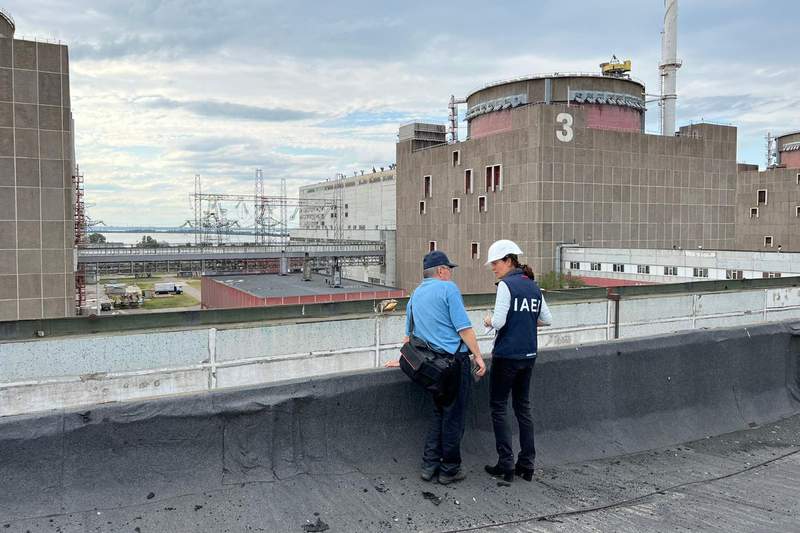
POLICY WIRE — Vienna, Austria — In an update that would ordinarily be relegated to the dry technical briefs of international bodies, the fact that Europe’s largest nuclear power plant now has its main external electricity lifeline back ought to spark more than just a passing shrug. This isn’t just about flipped switches; it’s about holding our breath over a tinderbox, a precarious moment in a war-torn landscape that regularly skirts disaster.
It’s a peculiar kind of relief, isn’t it? The kind you get when the fuse box stops sparking, but the whole house is still on fire. The International Atomic Energy Agency, or IAEA, stated that after what felt like an eternity for those paying close attention—a nervous period for global stability—that [QUOTE_PLACEHOLDER] It means the behemoth in southeastern Ukraine, constantly caught in the crosshairs, has dodged yet another immediate bullet.
For weeks, and indeed months, the plant has operated with a fragility that would alarm even the most jaded industry veteran. Situated in an active war zone, it’s been repeatedly disconnected from Ukraine’s national grid, forcing it to rely on backup diesel generators for crucial safety functions. We’re talking about cooling fuel, preventing core meltdowns—the stuff of nightmares. Every single one of these disconnections, temporary though many have been, adds a layer of operational wear — and tear. It chips away at what engineers call ‘redundancy.’ But let’s be frank, when shells are landing nearby, redundancy becomes a wish, not a guarantee.
This latest incident underscores a terrifying reality: the safety margins for the six-reactor plant are shrinking. Rafael Grossi, the head of the IAEA, has become something of a nuclear plant travel agent, constantly ferrying personnel and equipment to the site. He’s been [QUOTE_PLACEHOLDER] about establishing a safety and security zone around the plant for ages now, but that particular bit of common sense has repeatedly crashed headlong into geopolitical intransigence.
And, what does a war-ravaged nation do with an active nuclear power plant, a Soviet-era relic now? They don’t just decommission it overnight. They don’t just turn it off like a light switch. That would be, in itself, a Herculean—and incredibly dangerous—task. Think about the hundreds of spent fuel assemblies; they require continuous cooling for decades, not months, not years. So this restoration of [QUOTE_PLACEHOLDER] is less a triumph and more a return to a baseline of extremely tenuous normalcy.
This isn’t just a European problem. Pakistan, for instance, which heavily relies on nuclear power for its own energy needs, watches this saga unfold with more than a passing interest. Nations in the broader Muslim world, particularly those eyeing nuclear energy for economic development or regional leverage, can’t ignore the implications here. It’s a stark, real-time case study in the intersection of national security, energy sovereignty, and—let’s be honest—utter, unmitigated chaos. How does one secure critical energy infrastructure when conventional warfare disregards international norms? It’s a question for every capital, from Islamabad to Cairo, contemplating their own nuclear futures.
This isn’t theoretical; we’re talking about very real risks here. For instance, the World Nuclear Association states that as of January 2023, nuclear power contributes approximately 10% of the world’s electricity. But an incident at Zaporizhzhia, even if contained locally, could cripple global perceptions of nuclear safety for a generation, sending shivers through power grids far beyond Ukraine’s borders. But honestly, who’s counting the seconds on that particular Doomsday Clock anymore?
We’ve become desensitized to these bulletins. A small flicker of electricity. A brief sigh of relief. Rinse, repeat. It’s a dangerously monotonous rhythm when nuclear meltdowns are the background beat. And every time the power winks out, then back on, it further solidifies the argument that critical infrastructure in a combat zone isn’t just vulnerable; it’s practically a hostage to fortune. For some deep analysis on a similar high-stakes, international energy dynamic, one might consider how global energy security debates sometimes mirror topics like Beijing-Delhi Border Talks: A Precarious Dance, Not a Diplomatic Embrace.
What This Means
The restoration of off-site power to Zaporizhzhia doesn’t mean stability; it signifies merely a brief respite in a deeply volatile situation. Politically, it grants all parties involved a momentary deferral from having to address a full-blown nuclear crisis, something none truly want on their hands. But it buys time, nothing more. It delays the inevitable serious discussions about demilitarizing the plant area—a concept both sides pay lip service to, yet fail to implement.
Economically, the constant threat of a large-scale radiological incident creates profound long-term investment uncertainties, not just for Ukraine’s recovery but for the broader European energy market. We’re talking about potentially crippling clean-up costs, humanitarian catastrophes, and widespread public fear that could undermine nuclear energy programs globally. Every outage reinforces the urgent need for a clear, verifiable safety protocol and perhaps—and this is a radical thought—an understanding that some assets are simply too dangerous to become spoils of war. And until such an understanding materializes, the world will continue to monitor these updates with a blend of resignation and dread, waiting for the next emergency alert. But who’s really listening to those alerts these days anyway?
This cyclical restoration of power, this delicate dance around calamity, is a textbook example of geopolitical resilience strained to its limits. It’s like Hoosier Diamond Diplomacy: Local Wins Reflect Geopolitical Resilience Amidst Low Expectations, but with infinitely higher stakes. The long-term implications for the regional energy balance, not to mention global nuclear safety doctrine, are profound, and they’re hardly being discussed in the hushed, polite tones they deserve.