
Tree Gliders, Artificial Nests: The High Cost of Convenient Conservation
POLICY WIRE — CANBERRA, AUSTRALIA — They say tears are a human response to overwhelming emotion. But when a veteran ecologist reportedly broke down upon witnessing endangered greater gliders finally...

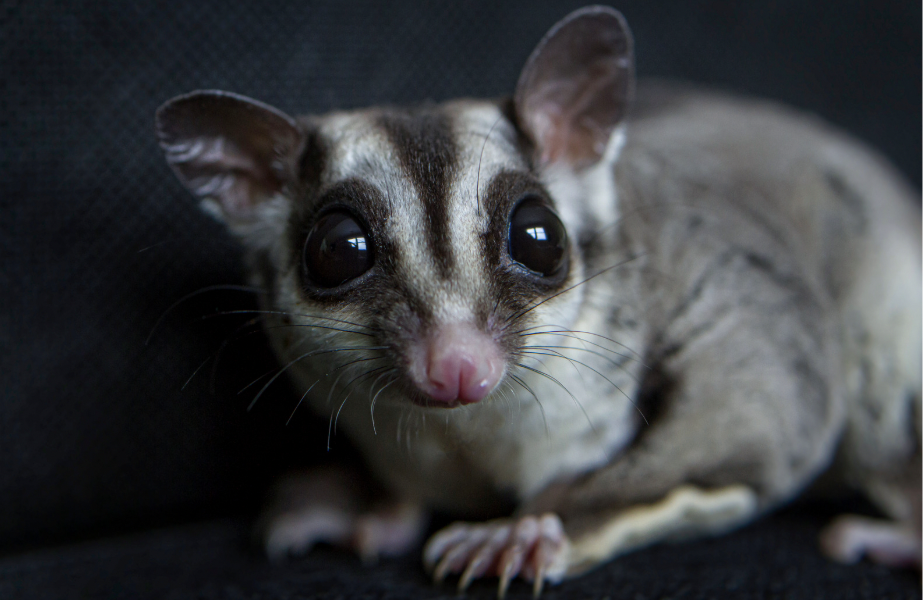
POLICY WIRE — CANBERRA, AUSTRALIA — They say tears are a human response to overwhelming emotion. But when a veteran ecologist reportedly broke down upon witnessing endangered greater gliders finally — *finally* — inhabiting specially constructed tree hollows, one couldn’t help but wonder if it wasn’t joy, but something far more cynical bubbling to the surface. It’s an almost absurd tableau, isn’t it? Engineers painstakingly mimic nature’s perfection, biologists fret over every flutter, all while the systemic gears grinding their habitat to dust keep right on turning.
Australia’s gliders, these marsupial ghosts of the forest, aren’t moving into fancy new apartments because someone benevolent simply built them a better mouse trap. No. They’re homeless because swaths of their traditional eucalyptus woodlands are routinely bulldozed for agriculture, urban sprawl, and, more often than not, the insatiable maw of timber extraction. These aren’t ‘replacement’ nests in the way a broken window gets replaced. They’re a stopgap, a desperate palliative measure against a terminal disease of habitat destruction.
And, naturally, officialdom is quick to trumpet these isolated conservation victories. ‘This represents a significant milestone in our commitment to biodiversity protection,’ intoned Environment Minister Tanya Plibersek recently, speaking from a newly designated ‘protected’ area that had, just years prior, been earmarked for mining exploration. ‘It shows that thoughtful intervention, backed by science, can turn the tide.’ A tide that, many cynics might argue, her government often aids in turning *outward*, away from real conservation.
The policy paradox here is stark: governments commit considerable funds—taxpayer funds, mind you—to develop artificial habitats for creatures they’ve simultaneously permitted to be displaced. It’s akin to tearing down a town, then building a miniature, pre-fab version and declaring victory when a few residents grudgingly move in. But this isn’t just an Australian problem. Globally, the competition for land and resources drives similar, often tragic, choices. Consider Pakistan’s Indus River Delta, a unique wetland facing increasing desiccation due to upstream water diversions and climate change. It threatens both vital ecosystems and the livelihoods of millions, yet large-scale policy changes often falter against short-term economic gains. The gliders are a poster child for a far grander failure.
It’s not just the immediate habitat. Fragmentation, disease, genetic bottlenecking—these artificial interventions barely scratch the surface of true ecological collapse. According to a 2020 report by the World Wildlife Fund, global wildlife populations have plummeted by an average of 68% in less than 50 years. That’s not a gentle decline; it’s a free fall. And while a handful of gliders find respite in these manufactured hollows, millions of other species globally don’t even get a sympathetic bureaucratic shrug.
Dr. Imran Khan, a senior environmental policy analyst based in Islamabad (no relation to the former PM), put it succinctly, though without the ecological tears. ‘We spend billions on infrastructure development, often with little regard for the natural world it obliterates,’ he observed during a recent virtual panel. ‘Then, when a species is on the brink, we deploy a fraction of that cost, belatedly, for ‘recovery’ efforts. It’s reactive, not preventive. It’s public relations, more than true sustainability.’ He’s not wrong. It’s a performative brand of environmentalism that soothes public conscience without addressing systemic rot.
📄 POLICY WIRE WHITEPAPER PUBLISHED: PAKISTAN'S NATIONAL SECURITY POLICY PRIORITIES
👉 READ BY CLICKING HEREBecause ultimately, these gliders aren’t just animals. They’re a political commodity. A symbol of national biodiversity, something to point to during international environmental summits. They provide excellent photo opportunities for politicians keen to project a ‘green’ image. Don’t expect an admission that the initial loss was, perhaps, avoidable; that might imply culpability. No, far better to laud the ‘resilience’ of nature — and the ‘ingenuity’ of human intervention. It’s a convenient narrative.
But the true irony? These custom-built hollows require ongoing maintenance, monitoring, — and financial investment. It’s an indefinite subscription to environmental damage control. Imagine the collective resources funneled into these ‘fixes’ — resources that could have been invested in proactive conservation, stricter land-use planning, or genuine incentives for sustainable industry. The gliders’ tear-jerking homecoming isn’t an end to the story; it’s just the latest expensive, slightly depressing chapter in a never-ending saga of human exceptionalism.
What This Means
The Australian glider saga serves as a microcosm for the global policy quagmire surrounding environmental protection. Economically, such ‘mitigation’ efforts represent significant, ongoing expenditures that dwarf what preventative conservation could have achieved. It’s an inefficient allocation of public funds, driven by political expediency rather than long-term ecological health. Politically, these feel-good stories allow governments to project an image of environmental stewardship without necessarily enacting the rigorous, sometimes unpopular, legislative changes required to halt habitat destruction at its source. It deflects attention from the inconvenient truth that economic development often prioritizes short-term growth over the inherent value of biodiversity. For nations across South Asia, grappling with rapid urbanization and industrial expansion, it’s a stark warning: reactive environmental fixes are incredibly costly, both in direct spend and the irreplaceable loss of natural capital. They’re a testament not to triumph, but to belated, inadequate attempts to fix what should never have been broken.