Political Rebranding: Cultural Institutions Shed Controversial Monikers as Geopolitical Tensions Mount
POLICY WIRE — Washington D.C., USA — The marble halls of American cultural prestige sometimes echo with more than just artistic grandeur. They hum with quiet political maneuvers, too. Lately, they’ve...

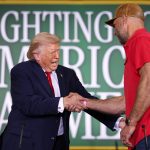
POLICY WIRE — Washington D.C., USA — The marble halls of American cultural prestige sometimes echo with more than just artistic grandeur. They hum with quiet political maneuvers, too. Lately, they’ve been buzzing about an un-ceremony of sorts at the venerable Kennedy Center. Without much fanfare, the institution has, to put it plainly, wiped certain ‘Trump’ branding from its facade.
It’s not just a lick of paint, is it? It’s a deliberate scrubbing, a symbolic gesture in a nation grappling with its political divisions. This discreet detachment from a name synonymous with, shall we say, a particularly raucous period of American governance, comes as the nation inches closer to another election cycle that promises—or threatens—to be equally divisive. And frankly, it shows how deeply these cultural skirmishes run. It’s never just about a sign; it’s about alignment, about values, about not getting caught in the political crossfire when fundraising emails start flying. [QUOTE_PLACEHOLDER]
Because, let’s be honest, few cultural entities in this town are entirely immune from the prevailing political winds. Institutions—even the loftiest among ’em—constantly read the room, making calculations that often blend artistic integrity with sheer fiscal survival. This move isn’t a declaration, really, so much as it’s a careful repositioning, a silent prayer perhaps that certain controversies just fade into the background. It’s smart, really. They’re playing the long game, not the cable news cycle.
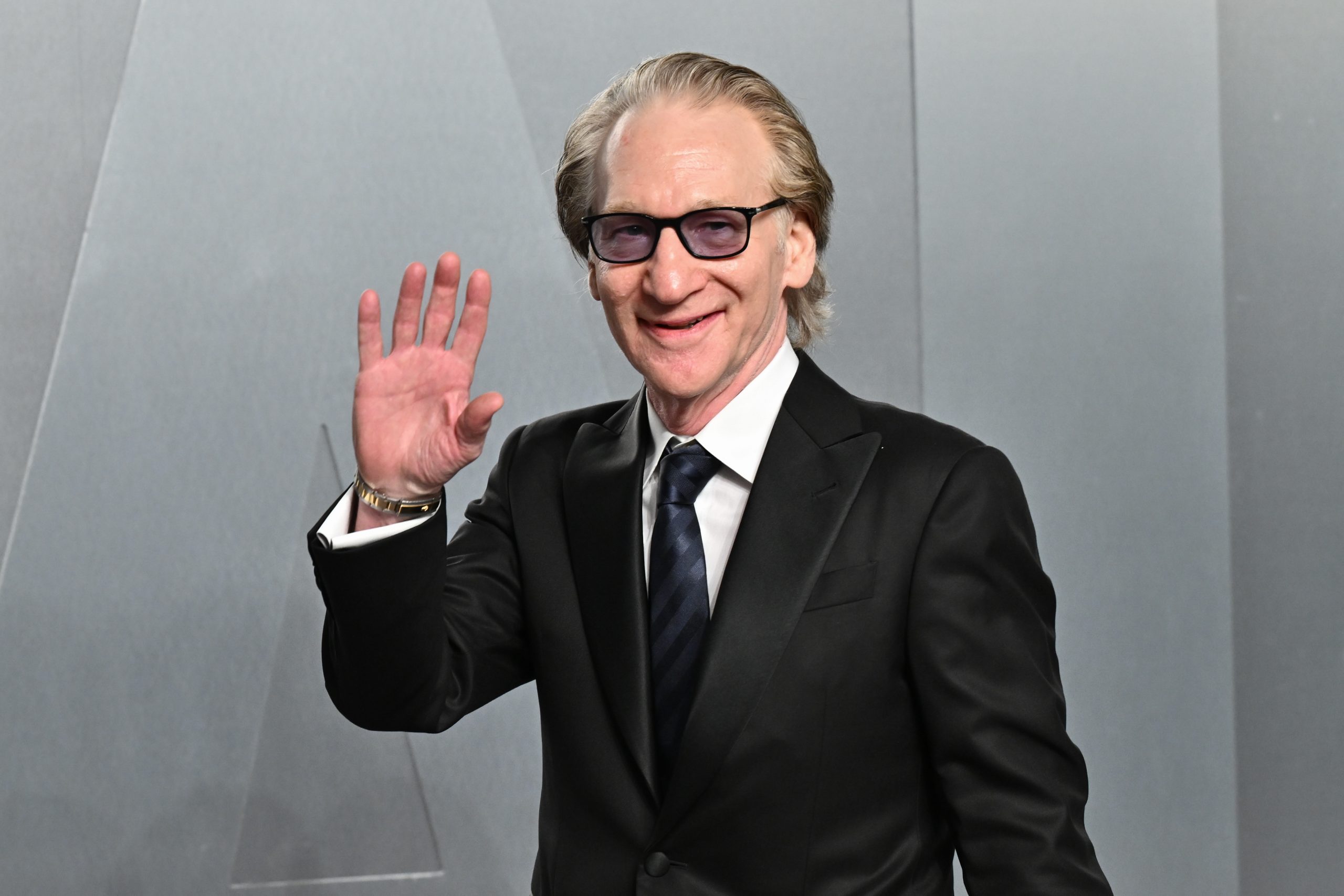
Concurrently, on a decidedly different—yet interconnected—cultural stage, Bill Maher’s recent Mark Twain Prize for American Humor had its own moment in the spotlight. The reveal of who showed up to laud him offered its own peculiar commentary on the state of American wit — and influence. The guest list, often a telling barometer of who’s in and who’s out, gave us a glimpse into the prevailing establishment sentiment regarding a comedian known for his pointed observations and, at times, polarizing takes. And you know, those events always say as much about the attendees as they do the honoree.
But while Washington debates nameplates and guest lists, the wider world keeps spinning—and, in many corners, these seemingly petty squabbles resonate with far greater import. You see, the US isn’t the only place where political personalities imprint themselves, for better or worse, onto public life. Consider Pakistan, for instance, a nation no stranger to the often-thorny intersection of politics, identity, and public perception. Here, too, cultural institutions and even city infrastructure can become flashpoints for ideological clashes or endorsements, however subtle. From renaming public spaces to celebrating specific leaders, the politics of nomenclature—of what gets recognized and what gets erased—is a powerful tool in shaping national narratives and global positioning. What’s perceived as a mere domestic tidbit here, a PR cleanup perhaps, can mirror grander battles over historical legacy and political authority abroad. And in a country like Pakistan, where historical figures and their legacies are perpetually re-evaluated and contested, such symbolic acts carry an intense weight.
This kind of subtle, institutional shift reflects a broader global trend where entities distance themselves from politically charged brands that might jeopardize their broad appeal or financial backing. In the fiercely competitive international arena for cultural dollars, a neutral, or at least less controversial, identity often makes for better business. In 2023, Pew Research Center reported that 65% of Americans believe there are stronger conflicts between political parties than in the past, an almost unimaginable chasm influencing everything from election results to cultural endowments. It isn’t just about art anymore; it’s about not alienating significant swaths of a donor base or an audience.
What This Means
The Kennedy Center’s move isn’t just a physical change; it’s a statement about the shifting landscape of American power and perception, or maybe it’s a non-statement meant to avoid being swept up in future political tides. For cultural behemoths like the Kennedy Center, remaining broadly acceptable, politically palatable even, has become a complex tightrope walk. They’re aiming for an elusive middle ground in an increasingly partisan society. But let’s not mistake subtlety for impotence. This kind of action signals a re-calibration, a recognition that the ‘Trump’ brand—love it or loathe it—carries with it a divisive charge that some institutions now find too hot to handle. It means less financial risk and fewer public relations headaches for an institution whose primary job, one might argue, should be curating culture, not navigating political minefields.
From an economic standpoint, shedding controversial associations might also unlock new streams of funding, or at least stabilize existing ones. Donors, particularly those with deep pockets and an aversion to political strife, are often wary of seeing their contributions tied to figures perceived as extreme or polarizing. In the realm of international relations, too, the branding of American institutions matters. When the US projects itself through its cultural emissaries—performing arts centers, educational programs—it wants to present a cohesive, aspirational image, not one riddled with domestic infighting. The ‘Trump’ era created some distinct challenges in that department, affecting everything from diplomatic engagements to how aid programs are perceived. This rebranding, though minor in the grand scheme of geopolitics, subtly reinforces a narrative of a return to what some might term a more traditional American image—one that certain global partners, like those in the Muslim world, may view as less confrontational or more predictable. The global community watches. It always does. It sees the signals we send, even when they’re just about human capital markets from MLB dugouts to Karachi’s corridors of power.