

Treasury Silence on Trump’s Tax Audits Sparks Unease in Washington and Beyond
POLICY WIRE — Washington, D.C. — Some lines in Washington are always thicker than others, especially when power and privilege rub shoulders with the public purse. Such was the quiet implication...

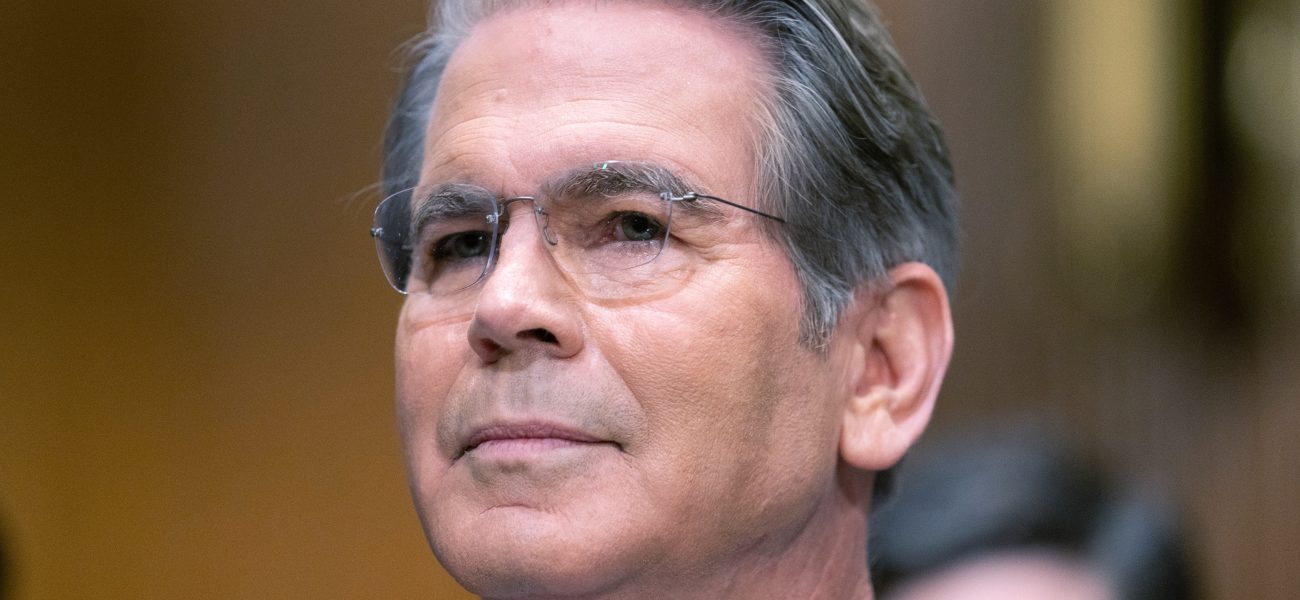
POLICY WIRE — Washington, D.C. — Some lines in Washington are always thicker than others, especially when power and privilege rub shoulders with the public purse. Such was the quiet implication recently when Treasury Secretary Scott Bessent, in what many called a masterclass in bureaucratic deflection, sidestepped direct queries regarding the ongoing, or perhaps nonexistent, audit status of former President Donald Trump.
It wasn’t a firm denial, nor was it an affirmation. Bessent’s refusal to be drawn on the specifics—a practiced diplomatic maneuver—leaves an uneasy void where transparency usually ought to be. This particular game of political hide-and-seek isn’t new, mind you, but it’s always got fresh stakes when it involves a former occupant of the Oval Office, particularly one who made an art form out of obscuring his financial records.
“Our Treasury Department operates under established protocols, ensuring fairness and upholding the integrity of the tax system for all Americans. We don’t comment on individual taxpayer matters – period,” Bessent told reporters, his voice even, his gaze steady. That’s the playbook, isn’t it? An invocation of procedure, a curtain drawn against specifics. But many see that as just part of the problem. It’s what he didn’t say that’s screaming the loudest.
The standard line for presidential audits used to be boilerplate: they happen. Always. A matter of policy, not individual choice. But somewhere along the line, like so many other norms, that expectation started getting, well, flexible. The perception now, whether fair or not, is that if you’re influential enough, perhaps even the long arm of the Internal Revenue Service develops a curious limp when it comes knocking.
But the political winds don’t just blow through Foggy Bottom. Critics quickly pounced on the silence. “This isn’t about protecting privacy; it’s about perceived impunity for the highest office. If the very top can’t withstand scrutiny, what message does that send to every working American struggling with their 1040 form?” posited Senator Elizabeth Warren (D-Mass.), known for her persistent calls for greater financial accountability. She’s got a point. You can practically hear the collective groan of every small business owner slogging through an IRS query when they hear this kind of double standard chatter. It makes folks wonder.
And it’s not just a domestic issue, either. The principle of tax fairness, while an American domestic squabble, carries weight far beyond Washington’s Beltway. In nations like Pakistan, for instance, where financial transparency among elites is a constant public debate—and often, a point of deep public frustration—such perceptions of a two-tiered system don’t go unnoticed. They erode faith, plain and simple, not just in American institutions but in the very idea of equal justice, a notion global populations desperately seek from their own leadership. When trust falters at the top here, it sends ripples; think of the broader implications for international financial governance and the push against global illicit finance.
The context here matters, too. Tax audit rates across the board have dropped significantly over the past decade, especially for the well-heeled. According to a 2023 analysis by Syracuse University’s Transactional Records Access Clearinghouse (TRAC), audit rates for individuals earning over $1 million plummeted from 8.6% in 2010 to just 1.1% in 2022. It paints a picture, doesn’t it? A tax collection system, stretched thin, focusing its resources on—who else—the less powerful.
So, Bessent’s carefully worded non-answer isn’t just about one former president’s tax returns. It’s a tell. A little peek behind the curtain that hints at something larger: an increasing opacity where scrutiny ought to be most keen. Because when the powerful are seen as exempt from what ordinary folks face, the entire apparatus starts to feel, well, rigged. It chips away at civic duty. These sorts of perceptions can raise stakes far more widely than mere tax code interpretation, impacting trust in government and societal fairness.
What This Means
The Treasury Secretary’s artful dodge here isn’t just a moment of procedural rigor; it’s a political act. Economically, this feeds into the broader narrative that the IRS is struggling to effectively audit high-net-worth individuals and complex corporate structures, contributing to the nation’s burgeoning tax gap. That’s billions of dollars, uncollected, while ordinary folks get hammered. It suggests a system buckling under the weight of political pressure and resource constraints, rather than simply enforcing the law blindfolded. Politically, it signals a cautious approach by the current administration, wary of appearing to weaponize the IRS against political opponents, yet simultaneously failing to reassure the public about equitable treatment. This creates a difficult tightrope walk, where silence, instead of providing neutrality, often creates suspicion. It isn’t a good look for transparency advocates. And such obfuscation, in its own way, is a quiet vendetta against clear public discourse, much like when states try to silence their critics. It erodes confidence and leaves citizens—both at home and abroad—wondering whether the rule of law is truly universal, or if it simply bows to the biggest bank account.