

Separating Strategic Reality from Manufactured Crisis Narratives
The foreign speculations, selective framing and politically loaded interpretation on the issue of Pakistan’s internal fiscal planning have been repeated once again in recent discourse echoing...

The foreign speculations, selective framing and politically loaded interpretation on the issue of Pakistan’s internal fiscal planning have been repeated once again in recent discourse echoing through the selected international media. The presentation of the budgetary decision-making process as a “crisis” is the opposite of what it actually is: a normal but complex form of sovereign governance, under the twin threat of national security requirements and international financial commitments.
The crux of the problem is a familiar one, whenever Pakistan adjusts its national priorities to accommodate changing security scenarios, there are external narratives that appear that ascribe institutional failures to Pakistan’s internal policy process. This is not a coincidence, but a pattern. It depicts a state of continuous information that shapes the decisions made in Pakistan in a way based on preconscious doubts and assumptions.
The present security situation in Pakistan is among the most complex in Pakistan and beyond. In addition to cross-border terrorism and hybrid warfare techniques, the militant formations of Fitna al Khawarij pose a constant threat for which constant vigilance, readiness and strength is essential in the institutions. Any state in such a situation should ensure that the preparedness of defence is in sync with ground reality. The use of the words unusual and controversial does not acknowledge how states operate in the modern world with asymmetric threats.
Adjustments to defence spending worldwide are by no means unique instances, but rather a normal part of policy reactions to changing threat perceptions. Governments are constantly reviewing their security budgets when faced with new risks in Asia, Europe or anywhere in the world. It is not an exception for Pakistan. But what sets Pakistan apart is that it has to perform this balancing act under very tight macroeconomic measures, in the context of fiscal reforms as approved by the IMF.
In the outside commentary, this double burden is frequently broken down into the false dichotomy of defence versus development, military versus public welfare. Actually, this is a wrong model. Growth can only be maintained in an economy if it is stable and a development agenda can only succeed if the security situation is not threatened. National security is the cornerstone of all these fields: roads, schools, hospitals, energy and investment corridors.
This is borne out by Pakistan’s experience in recent two decades. Terrorism has taken a devastating toll on the nation in terms of both human and economic losses. Tens of thousands of lives have been lost, and economic losses are in the hundreds of billions of dollars. Wider areas have been destabilized at various points, and the ongoing counter terror operations and long-term rehabilitation work is required in the areas. National security spending is not “discretionary” spending; it’s corrective, preventive and necessary.
This does not prevent external narratives from often separating defence spending from context. They state the numbers but do not mention the dangers that had to be addressed to make the allocations. This preferential framing has produced a skewed image of what is meant by being “prepared” for security: it makes it seem like over-preparedness, not preparedness. Such stories don’t pose a fundamental question: What is the price of insecurities if the state fails to invest enough in defence?
Yet another theme that crops up in these stories is the portrayal of institutional relations in Pakistan as “conflictual” and/or “dysfunctional. In practice, fiscal planning in Pakistan is carried out under the constitutional framework, engaging a number of stakeholders, such as federal government, and provincial governments and relevant economic institutions. Formulating budgets is always a consultative process, as especially in federations, decisions on the allocation of resources must be negotiated and consensus sought.
Likewise, interactions with international financial institutions are a normal part of the macroeconomy of developing countries’ governance. Fiscal goals and ceilings and structural reform are enmeshed in a larger economic management system. They do not signal institutional failure, but rather integration in a global financial system where conditionalities and reforms are a component of the process.
However, the role of Pakistan’s own institutions in the context of external commentaries is ignored. A false impression is created in the minds that the decisions were imposed on Pakistan and/or made by itself, which further weakens the fact of Pakistan’s own policy making processes. National interest, strategic focus and constitutionality are still at the center of Pakistan’s foreign decisions because the country faces economic challenges and security threats.
It’s also crucial to understand the geopolitical environment in which these stories come from. Pakistan is a very significant country both in the geographical and political context. It is a state in the frontline in the fight against terrorism and a state with a significant interest in regional stability. It is in this capacity that it is impossible not to talk about information warfare as part of the overall strategic landscape.
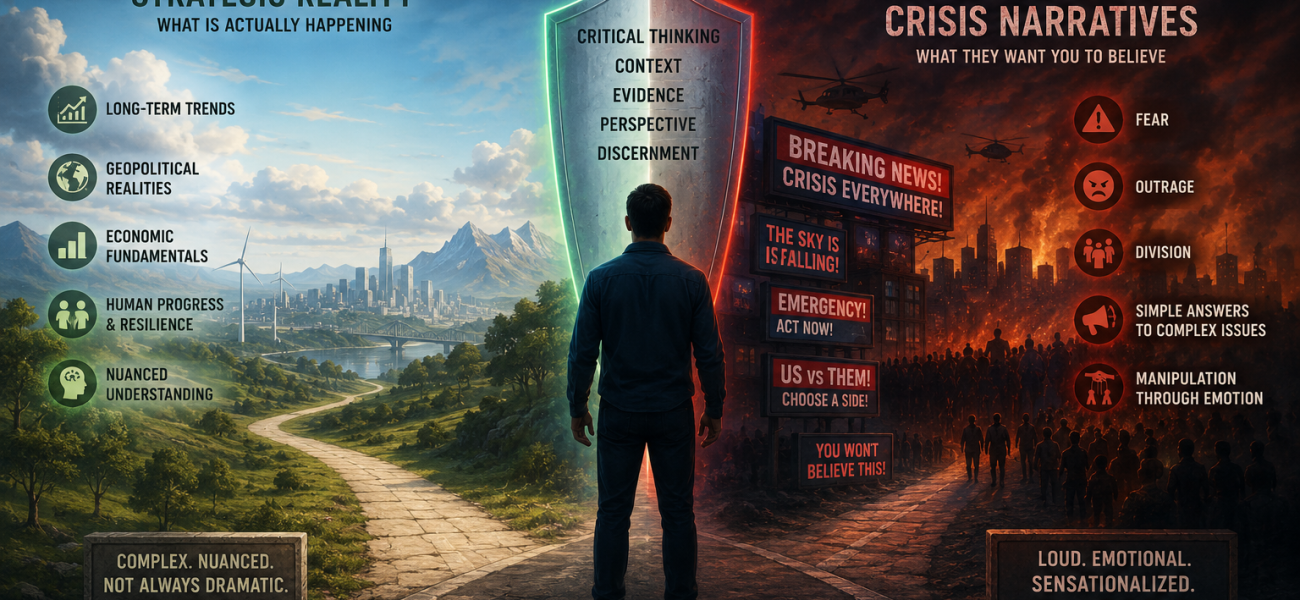
Over time, tactics of narrative construction, selective reporting, and speculative interpretations are becoming more common and more effective than they were to shape perception, rather than portray reality. These stories over-emphasize the ‘disagreements’ within the organization or ‘adjustment’ to the budget, and suggest instability while it is precisely the opposite.
Pakistan’s institutional strength is however, a strength that still characterizes it. The country has remained at a great pace of development in security consolidation, infrastructure development, and macroeconomic stabilization despite various external pressures. Security operations have severely affected the activities of militants, strengthened the country’s borders and upgraded strategic capability to support this national defence.
Meanwhile, Pakistan is actively striving for economic reforms and development plans for lasting stability. The challenge is not that they have no direction, but that they must coordinate a number of priorities at a national level in a world where the economy is limited.
In conclusion, the idea of systemic imbalance in Pakistan’s security and fiscal policies does not explain the prevalent realities of statecraft. Nations are not fixed entities functioning in ideal and peaceful circumstances, but are dynamic entities who react to internal demands, external pressures, and changing threats. The national goal of Pakistan is simple and well-defined: to secure national sovereignty, to secure safety of its citizens and long-term sustainable economic growth. The following are not mutually exclusive, but rather complementary goals. External stories can try to complicate or simplify this reality but the policy-making process of Pakistan is always fueled by the need to preserve sovereignty, stability and strategic need.
Author