
Echoes in the Desert: Albuquerque’s Latest Child Death Unveils Systemic Shadows
POLICY WIRE — ALBUQUERQUE, N.M. — The sterile hush of a hospital wing often masks battles fought with quiet desperation. But sometimes, even that silence can’t muffle the scream of a child’s...

POLICY WIRE — ALBUQUERQUE, N.M. — The sterile hush of a hospital wing often masks battles fought with quiet desperation. But sometimes, even that silence can’t muffle the scream of a child’s unfinished story. In Albuquerque, it’s not the sirens people hear anymore—it’s the lingering echo of questions, sharp and unsettling, as another young life gets snuffed out before it even truly began. This particular tragedy, simmering in the sun-baked quiet of New Mexico, finally broke into the stark light of an arrest last week, yet the real story, as always, runs deeper than the headlines.
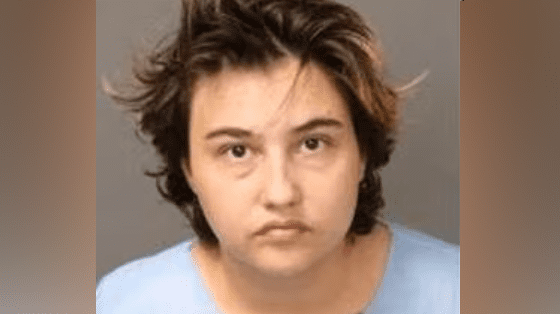
It was May 29th when doctors, after a grueling week-long struggle, unhooked a one-year-old girl from life support. Her name isn’t officially released, but her fate is etched into the city’s conscience. Originally rushed to Presbyterian Hospital, then transferred to UNM Hospital, the medical team had fought like hell. They always do. But they were fighting an uphill battle, trying to mend injuries that simply defied an explanation her mother, 32-year-old Tabitha Molina, offered about a clumsy fall. Her explanation, detectives quickly figured, just didn’t track with the sheer brutality of the trauma.
Because that’s the ugly truth: a tumble usually doesn’t inflict the kind of critical damage these doctors observed. This wasn’t some isolated, heartbreaking accident, either. Albuquerque Police Department (APD) investigators dug into it, poring over records — and testimonies. What they uncovered painted a grimmer picture, revealing the child had, in their own chilling words, suffered injuries “on multiple occasions” before this final, fatal incident. It’s the kind of detail that gnaws at you, isn’t it? The thought that this wasn’t an aberration, but perhaps a crescendo.
And so, Molina faces charges of intentional child abuse resulting in death — and additional counts of child abuse. She’s in custody, waiting for an autopsy that will, no doubt, peel back more layers of this heartbreaking case. But here’s the kicker: this isn’t merely about one mother, one child, or even one city. This kind of event, when it bubbles to the surface, rips through a community’s facade of normalcy and screams about cracks in the social fabric.
“These cases are a particular hell for our officers,” Albuquerque Police Chief Michael Geier stated recently, reflecting a common sentiment among law enforcement when these unspeakable crimes unfold. “It’s not just an investigation; it’s watching humanity fail, up close. Our job, then, is to ensure justice, not just for the child, but for the fundamental right of every child to simply exist in safety.” His voice, usually gruff, had a strained, almost weary edge to it. We hear it a lot in these situations.
This isn’t an American anomaly; it’s a global scar. Look at nations like Pakistan, where despite strong familial bonds, child protection faces significant hurdles from poverty, lack of reporting mechanisms, and insufficient state intervention. Child welfare services there often lean heavily on NGOs and community efforts, navigating complex cultural norms around family autonomy that can make state intervention a minefield. While the specifics differ, the heartbreaking reality of preventable harm—and the urgent, grinding need for vigilance—remains a stark, shared universal.
“We’ve got to ask ourselves what kind of society we’re building when we continually fail to protect the most vulnerable among us,” snapped a usually diplomatic State Senator Natalie Figueroa (D-Alb. North Valley), clearly frustrated, following an emergency session on child welfare funding earlier this year. “It’s not enough to lament; we need comprehensive, funded strategies that address the systemic pressures on families, not just punish the terrible aftermath. Our kids can’t wait.”
Her point? There are programs for everything from getting people outside for fishing to multi-billion dollar athletic endeavors. Yet, the safety net for children can feel suspiciously frayed. According to the Child Maltreatment 2022 report from the U.S. Department of Health & Human Services, approximately 1,820 children died from abuse and neglect in the United States that year—a sobering average of five children every day. And that’s just the reported fatalities. We don’t really talk enough about the kids who survive, but carry those scars into adulthood.
What This Means
The tragedy in Albuquerque, while localized in its immediate horror, refracts a much broader, deeply troubling issue for policymakers and economists alike. Every child abuse fatality isn’t just a moral failing; it’s an indictment of underfunded social services, overwhelmed child protective agencies, and a justice system often playing catch-up. Economically, these cases translate into staggering costs—for law enforcement investigations, court proceedings, incarceration, and long-term societal impacts like healthcare for survivors and lost productivity. And that doesn’t even touch the immeasurable cost in human potential. Politically, these incidents put immense pressure on state legislatures and local governments to boost funding for child welfare and early intervention programs, even when budgets are tight. They also stir difficult conversations about parental rights versus state intervention, especially in cases where privacy can sometimes inadvertently shield ongoing abuse. It means a renewed, though often fleeting, spotlight on the societal burden of preventable harm, pushing for reforms that almost always falter without sustained political will and consistent public investment. This isn’t a one-off problem; it’s a symptom, — and one that demands far more than just a punitive response.