


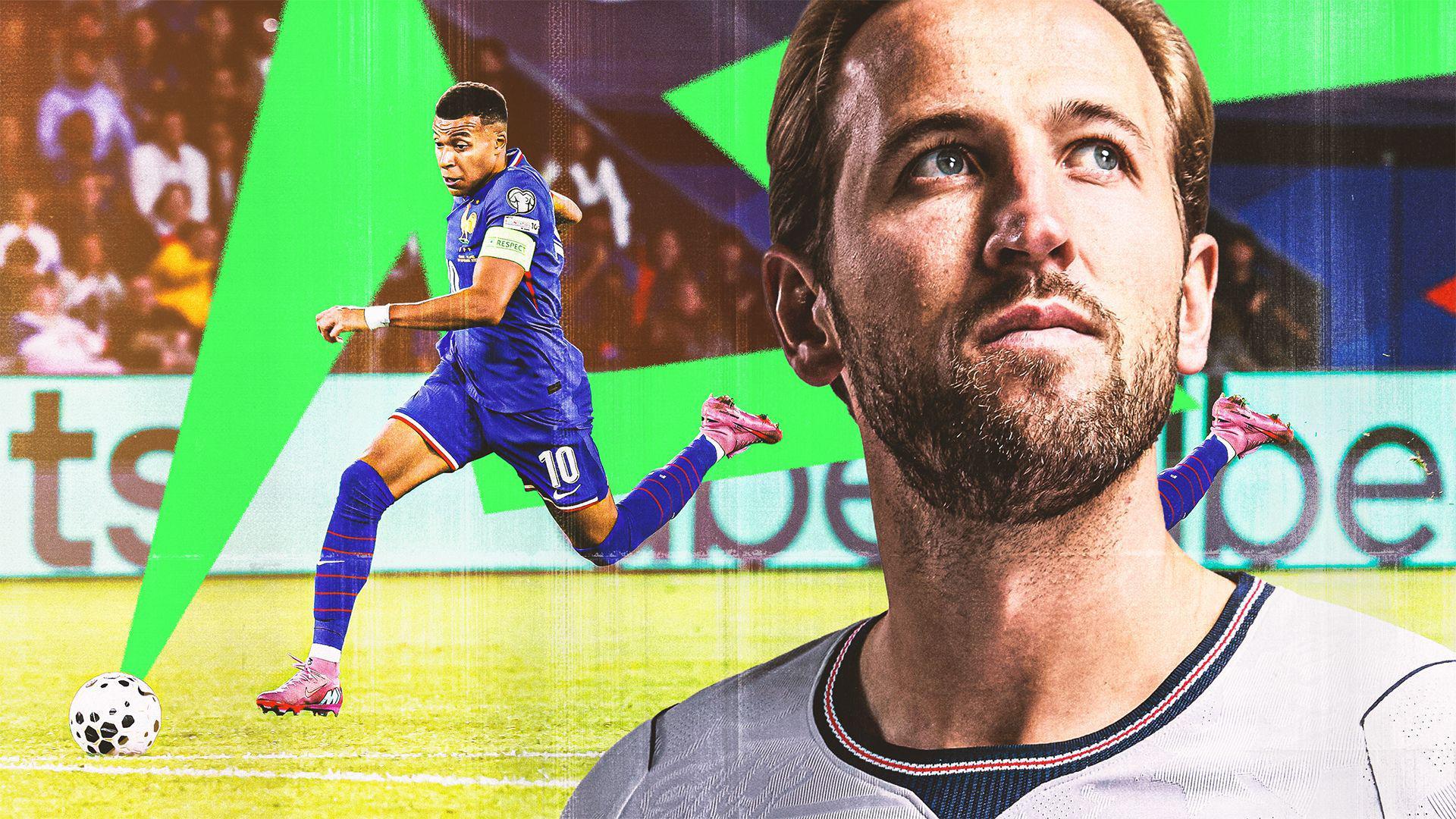
The Lonely Golden Boot: When Individual Glory Falls Short of the Collective Crown
POLICY WIRE — London, UK — Nobody actually remembers Kylian Mbappé’s wide grin from December 2022, do they? But plenty recall his slumped shoulders, the kind of slump that speaks volumes, even...

POLICY WIRE — London, UK — Nobody actually remembers Kylian Mbappé’s wide grin from December 2022, do they? But plenty recall his slumped shoulders, the kind of slump that speaks volumes, even after stuffing three goals past Argentina in the World Cup final. He collected his Golden Boot that day—the highest individual scoring honour—but it felt less like a triumph and more like a cruel participation prize, didn’t it? Because goals, plenty of ’em, simply didn’t guarantee the gilded trophy, which is the whole point, after all.
It’s an age-old sporting paradox, this chase for personal stats versus the unforgiving reality of collective ambition. As the next global football spectacle looms, the industry’s high priests (read: pundits) are already whispering names. Who’s going to hit pay dirt this time? What attributes transform a striker from ‘good’ to ‘gold’? History offers some chilly caveats to those romantic notions.
And let’s be frank: the romantic isn’t usually the lucrative. Youth, for example, is more than just a fleeting aesthetic in football; it’s practically a market commodity. Statistically, age doesn’t do a striker any favours when it comes to the Golden Boot. Davor Suker, at 30, was the lone exception way back in ’98. A statistical outlier. According to analyses from sporting outlets like BBC Sport, the average Golden Boot winner historically clocks in at a spry 24.7 years old. It’s a young man’s game, really.
This reality throws a hefty spanner into the works for veterans like Harry Kane (pushing 32 for the next one, mind you) or, God bless him, Lionel Messi, who’ll be 38. Their legendary careers aside, the cold data suggests it’s a long shot. But this is football, after all, — and money talks. But then again, so do the narratives of legends who keep pushing against the tide of time.
A lone wolf can’t bag this prize, not really. Because you need supply lines, you need the team machine working. You need to keep going deep into the knockout rounds; it’s pretty self-evident. Take Oleg Salenko in ’94, though. His Russia squad crashed out early, but five goals against Cameroon — and a six-goal tally overall. Boom. Golden Boot. He was on a plane home while others slogged through the latter stages. That’s burstiness in its purest form, for ya.
Having a blinding club season also seems to matter more than just a bit. Thomas Muller’s Cinderella story in 2010 – he arrived in South Africa having found sudden form under Louis van Gaal at Bayern, smashing goals and assists – exemplifies this. Only twice has the Golden Boot gone to a player from a club outside its domestic top four. It’s about rhythm, confidence, — and perhaps a dollop of that good old sporting zeitgeist. Because you’re only as good as your last thirty games, aren’t you?
Now, about the favorites: Mbappé is again the bookies’ darling. Kane’s got the goals, even if he’s flirting with the average age barrier. Then there’s Erling Haaland, a goal machine whose entire bid hinges on how far Norway—bless ’em—can realistically get. And yes, Cristiano Ronaldo, at 41, playing his football in Saudi Arabia now (that global economic shift, eh?), still thinks he’s got a shot. We’ve all seen him. Never count him out, or rather, he’d never let you count him out.
But the money really lies in players whose teams can carry them. Brazil’s Vinicius Jr. looks like a world-beater, but can his squad, still leaning on older players and just fifth in CONMEBOL qualifying, give him enough runway? Similarly, Argentina’s Lautaro Martinez and Julian Alvarez are firing, with their national side still very much in contention. It’s a complicated ecosystem—performance, age, team progression, and of course, player value and the global economics driving this entire show, isn’t it? Just ask the guys brokering the massive transfer fees at top clubs like those on display in Dodgers’ High-Wire Act: A Microcosm of Global Sports Economics and Player Value.
What This Means
The pursuit of the Golden Boot, much like national economic policies, often reveals a fundamental tension: the allure of individual heroics versus the immutable power of collective structures. While football’s market thrives on individual branding—think Mbappé’s universal appeal, Ronaldo’s enduring influence, particularly in emerging markets like Saudi Arabia, drawing millions of viewers in regions stretching to Pakistan and Indonesia—the actual machinery of victory remains staunchly team-centric.
FIFA President Gianni Infantino, never one to miss an opportunity to contextualize things economically, reportedly once quipped, ‘Goals are nice, but global engagement? That’s where the real money is, isn’t it?’ That dry observation speaks to the commercial imperative. These star strikers aren’t just footballers; they’re economic engines, their boots potentially powering merchandising deals and broadcast revenues across continents. And a strong showing, even a Golden Boot for a relatively unknown player, can catapult a nation’s soft power, however briefly, onto the global stage. It’s all about the marketability, isn’t it? The optics.
So, when you see a prodigy like Spain’s Lamine Yamal (who turns 19 the week before the final) challenging the old guard, it’s not just a feel-good story; it’s an economic forecast. Young talent means long-term commercial viability. His potential rise isn’t just about goals; it’s about future sponsorship deals, global jersey sales in places where Spanish football broadcasts capture huge audiences—even amongst Pakistan’s passionate but underserved football demographic—and the sustained attention of an audience increasingly drawn to individual brilliance within the team spectacle. It’s high stakes; the individual’s market value, often conflated with a team’s potential, hangs precariously in the balance with every single shot.