


GOP Gears Up for November After New Mexico Primary Shake-Up
POLICY WIRE — ALBUQUERQUE, N.M. — It wasn’t just another Tuesday at the ballot box, not in New Mexico anyway. While the primary headlines crowed about a mayoral race, a much less anticipated contest...

POLICY WIRE — ALBUQUERQUE, N.M. — It wasn’t just another Tuesday at the ballot box, not in New Mexico anyway. While the primary headlines crowed about a mayoral race, a much less anticipated contest for a U.S. Senate seat also quietly—almost secretly—shaped up. Because, despite an initial drought of qualified candidates, the Republican party here isn’t heading into November completely unrepresented in that particular, high-stakes fight.
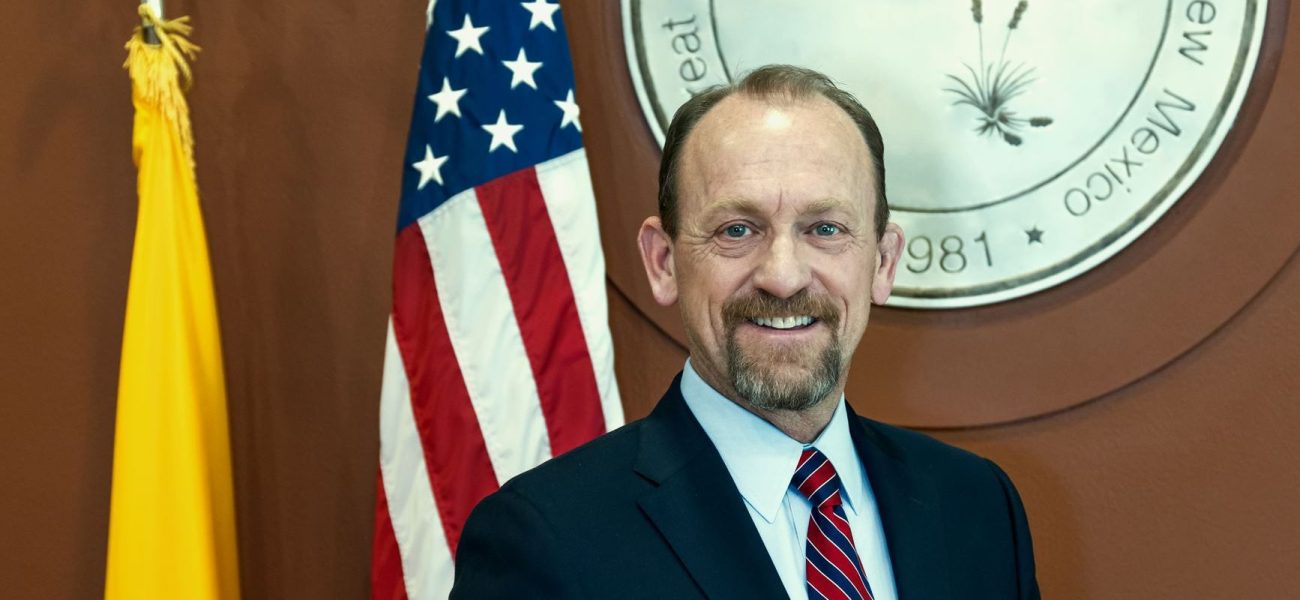
Gregg Hull, the former mayor of Rio Rancho, captured the Republican gubernatorial nomination, as KOB 4 projects. His victory wasn’t a cliffhanger, but a measured progression against opponents Doug Turner — and Duke Rodriguez. And that sets up a face-off with Democrat Deb Haaland come general election season, a contest many predict will be fiercely observed nationwide. [QUOTE_PLACEHOLDER]
Hull’s post-win sentiments, relayed from his victory gathering, were predictably grateful: I just wanted to start off saying thank you. Thank you thank you to everyone who came out tonight, to everyone who voted for us, for our vision to make New Mexico as great as it could possibly be, Hull said at his victory party. It’s the kind of bedrock American political rhetoric—a foundational pledge to uplift the locale—that echoes from town halls to grand campaign rallies, resonating not just here, but in diverse political landscapes globally, from Islamabad’s civic chambers to Cairo’s bustling streets, where leaders often champion localized greatness against broader currents.
But the real unexpected plot twist, the one that makes old hands around here sit up straight, was the U.S. Senate primary. Nobody, truly, had thought a Republican would appear on the November ballot for the Senate after all. This comes after no Republican candidates qualified in February to appear on the ballot formally. Yet, an improbable, perhaps quixotic, write-in effort changed that. Larry Marker, with enough sheer tenacity and the support of an active base, cobbled together the requisite votes, thereby securing the party’s nomination. He’s now slated to challenge incumbent Senator Ben Ray Luján. That’s a textbook demonstration of grassroots persistence, illustrating how a focused campaign can defy initial procedural setbacks. It forces the Democrats to deploy resources where they might not have expected, injecting a dynamic uncertainty into a race once presumed settled.
New Mexico, a state with a uniquely blended cultural heritage and a growing diverse demographic—its Hispanic population, for instance, comprised roughly 48% of its residents as of 2023, according to the U.S. Census Bureau—presents a complex political tableau. Winning here isn’t just about appealing to a single bloc; it’s about weaving a narrative that captures the aspirations of many disparate groups. This intricate dance of identity, economics, and vision isn’t just an American phenomenon; it’s mirrored in the diverse and often fragmented political debates playing out across South Asia and the Muslim world, where a politician’s success often hinges on their ability to bridge chasms between ethnic, religious, and economic communities.
Beyond these headline races, other down-ballot contests shaped up, with their outcomes yet to ripple fully through the state’s political infrastructure. These smaller battles, less visible but equally impactful, determine who controls legislative agendas, who guides judicial decisions, and ultimately, who crafts the daily lives of New Mexicans.
What This Means
Gregg Hull’s ascent to the Republican gubernatorial nomination firmly sets the general election stage. The Democrats have their frontrunner, Deb Haaland, a high-profile national figure, ensuring New Mexico will draw considerable national media glare—and dollars. This isn’t just about who gets to occupy the Governor’s Mansion; it’s about signaling the national political winds. A robust showing for either party could foreshadow broader electoral trends, influencing strategies for swing states nationwide.
Economically, this primary means New Mexico is in for a period of intensified policy debate. Hull’s campaign will almost certainly focus on economic development, job creation, and potentially, regulatory reform—talking points often favored by the GOP to spark economic growth. His rival, Haaland, will likely champion policies emphasizing social equity, environmental protection, and perhaps, increased public sector investment. The outcome will dictate not just the state’s budgetary priorities, but its approach to federal funding, resource management—a significant point of contention given the state’s natural endowments—and even how it navigates federal infrastructure investments.
The Republican Senate surprise—Larry Marker’s write-in success—is perhaps the most telling development. It shows the sheer organizational power of a motivated political base, even when traditional channels falter. It also forces Democrats to dedicate campaign resources to a race they might have initially deemed secure, potentially redirecting funds from tighter contests in other states. It’s a subtle shift, perhaps, but one that could impact the delicate balance of power in Washington. Every campaign dollar is a zero-sum game. This unexpected twist for the U.S. Senate nomination might just make that game a whole lot more interesting, — and expensive, for everyone involved. For a party often fighting uphill battles in this state, Marker’s success, however modest, offers a glimmer of that much-coveted momentum. It’s a reminder: never count out the persistent.