


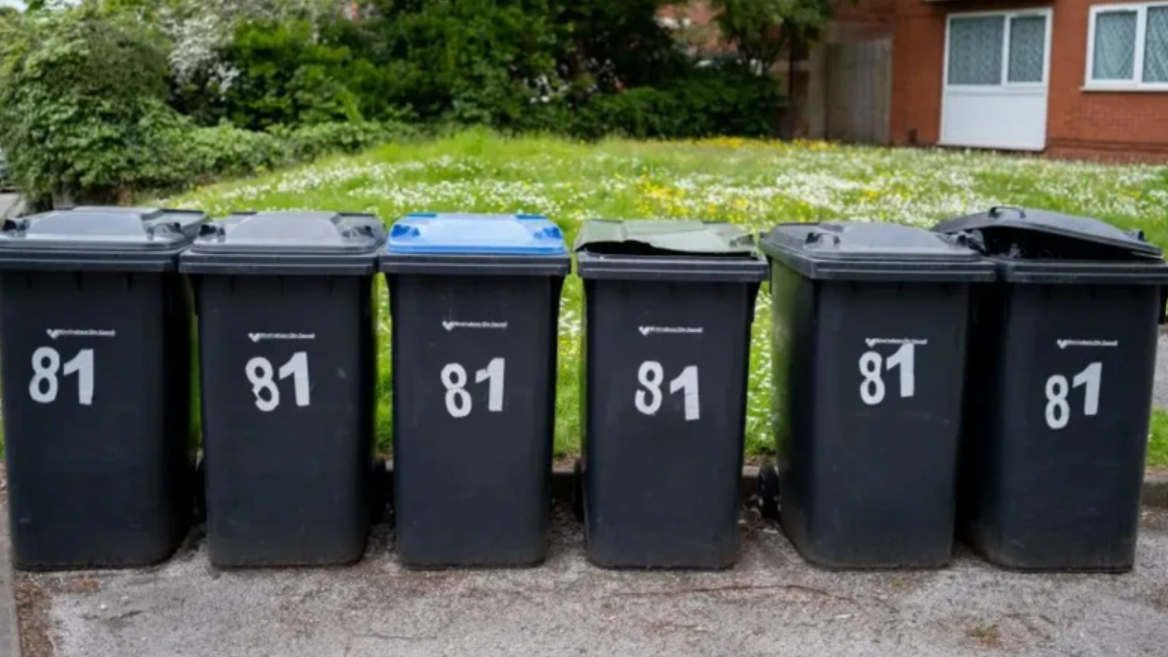
The Silent Scent of Stagnation: Bin Battles Unfold Behind Closed Doors
POLICY WIRE — New Haven, CT — Nobody loves their garbage collection day, but everyone certainly notices when it doesn’t happen. And lately, an unsettling quiet has settled over certain civic back...

POLICY WIRE — New Haven, CT — Nobody loves their garbage collection day, but everyone certainly notices when it doesn’t happen. And lately, an unsettling quiet has settled over certain civic back rooms, where the fate of routine, everyday refuse now hangs in a surprisingly delicate balance. It’s not about nuclear codes or trade tariffs, but trash – prosaic, putrid, — and perpetually political.
After weeks of whispers, local authorities have pumped the brakes on proposed overhauls to municipal waste management. It’s a reprieve, perhaps, for those who dreaded an alteration to their bin-side rituals, but a stark illustration, too, of just how entrenched — and thus how resistant to change — even the most fundamental public services can become. Bureaucratic machinery, you see, it moves slowly. Or, sometimes, not at all.
Sources close to City Hall, folks accustomed to watching the civic sausage get made (or stalled, in this case), have confirmed that the long-anticipated bin collection changes are now firmly on hold as talks continue. Imagine the discussions: spreadsheets flying, collective bargaining agreements meticulously pored over, the ghost of budget deficits looming large. You don’t just change how folks deal with their day-to-day detritus without a robust—or at least prolonged—process, do you?
The proposed changes, specifics of which remain deliberately murky (typical, isn’t it?), aimed to streamline operations and, one presumes, save a few pennies. But whenever a city meddles with a basic service, especially one touching every doorstep, you’re not just moving bins. You’re touching lives, schedules, and property values—that little street of yours might look (and smell) quite different on alternate weeks. And that sort of disruption? It ruffles feathers.
But the real rub? It’s often not the changes themselves, but the agonizingly slow, often opaque process leading up to them. An unnamed source, one of those perennial observers of local government, summed it up rather starkly: [QUOTE_PLACEHOLDER]. One’s got to wonder what exactly talks continue actually means in practice. It isn’t just about labor unions wanting a better deal for their members—which they always will, bless ’em. It’s also about political capital, vested interests, — and perhaps, a healthy dose of administrative paralysis. They’re debating whether Tuesday’s trash becomes next Tuesday’s problem, yet the conversation feels like a summit on sovereign debt.
The city’s environment director, a poor soul often caught between a rock and a rotting place, reportedly expressed a certain measure of frustration. But of course, in the proper bureaucratic parlance, it was couched gently. [QUOTE_PLACEHOLDER]. He’s playing the long game, presumably, but the accumulating refuse won’t. These delays, mind you, they aren’t unique to American suburbia. You find similar quagmires of civic inertia in burgeoning megacities across South Asia, where inadequate waste management isn’t just an inconvenience; it’s a profound public health crisis, impacting everything from waterborne diseases to urban air quality. Look at Karachi, Pakistan’s largest city. It generates roughly 16,000 tonnes of municipal waste daily, yet only about 40% of it’s properly collected, according to a 2021 report by the Sindh Solid Waste Management Board. They’re wrestling with institutional challenges and corruption that make a postponed bin day here look like a minor scheduling conflict.
And because politics, at its gritty core, is always local, this administrative limbo won’t vanish without consequences. Property owners, small businesses, environmental groups—they’re all keeping a hawkish eye on these drawn-out proceedings. Don’t believe for a second that this seemingly mundane issue isn’t stirring up grassroots movements and generating public dissatisfaction. It’s the little things that chip away at trust.
It’s about whether constituents feel heard, or if they just feel like they’re waiting for a particularly slow, inefficient machine to churn out a decision that probably won’t please anyone anyway. The sheer, grinding monotony of municipal bureaucracy can sometimes feel more oppressive than the actual problems it’s meant to solve.
What This Means
This holding pattern on bin collection changes, seemingly insignificant on the national stage, tells us a lot about modern local governance. It reflects an inherent cautiousness—some might call it paralysis—in implementing changes to basic public services, especially post-pandemic, when communities are less tolerant of disruption. Economically, prolonged talks could mean delayed cost savings or, worse, escalating operational costs if inefficiencies persist. It also points to the continued, sometimes fierce, negotiation power of labor unions, who often act as formidable checks on municipal reform efforts. For political leaders, dragging out these decisions is a gamble. They might avoid short-term public outrage by postponing a difficult choice, but they risk fostering long-term disillusionment and distrust if problems—like mounting trash—go unaddressed.
It also draws a fascinating, albeit uncomfortable, parallel to governance in parts of the Global South. For all our advanced infrastructure, the underlying battles—between budgets, public need, and entrenched systems—are universal. In many respects, these protracted domestic debates mirror the structural issues found in cities struggling with vastly greater waste management challenges, corruption, and slow progress, a pervasive civic languor that can ripple far beyond the curb. Policy inaction at home reverberates with the quiet despair of citizens feeling unserved. Because whether it’s in New Haven or Lahore, a reliable bin collection system isn’t a luxury; it’s a non-negotiable hallmark of functional urban life. And when it falters, so too does faith in the institutions meant to serve the populace. These sorts of protracted municipal discussions echo larger political struggles globally, including questions of equitable access and civic responsibility. It’s like watching a microcosm of broader geopolitical gridlock play out over the question of where your old milk carton goes. Even small disagreements over daily necessities expose how profoundly difficult it’s to manage collective resources and exert authority in a way that’s both effective and publicly palatable.