


Europe’s Slow Burn: Seven Deaths, and a continent’s complacency in the global heat trap
POLICY WIRE — Brussels, Belgium — The subtle hum of European air conditioning units—or the stark lack thereof in many homes—has, for years, masked a deeper fragility. It wasn’t a sudden economic...

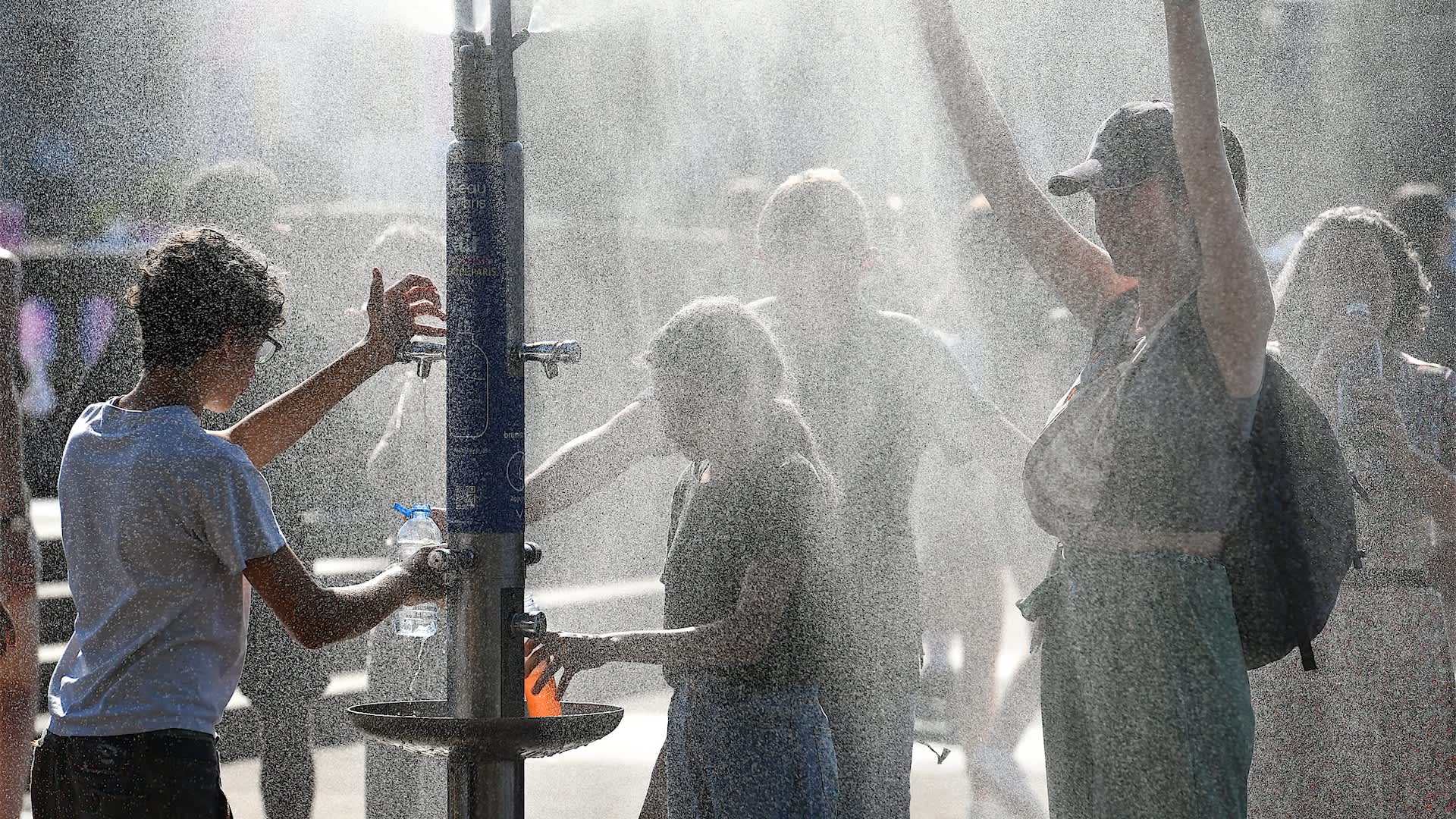
POLICY WIRE — Brussels, Belgium — The subtle hum of European air conditioning units—or the stark lack thereof in many homes—has, for years, masked a deeper fragility. It wasn’t a sudden economic shock or a geopolitical tremor that yanked a continent, often seen as buffered against nature’s fiercer moods, into uncomfortable focus this week. Nope. It was merely the persistent, oppressive atmospheric pressure of summer, solidifying into what climatologists term a heat dome. This time, however, it carried a tangible toll: seven lives lost. A grim, quiet punctuation mark to the idea that some places are simply too ‘developed’ for certain realities. But let’s be real, seven lives—while tragic—is barely a flicker in the vast human experience of extreme heat.
It’s the sheer incongruity of it all that catches the seasoned eye. European headlines scream; emergency services scramble. The immediate reaction is alarm, certainly, but also, it feels, a kind of startled indignation. As if the mercury, upon breaching 40 degrees Celsius in capitals and coastal towns, had committed a rude social faux pas. In Karachi, Pakistan, or Delhi, India, such temperatures aren’t news; they’re summer. They’re a persistent, life-altering threat that simply *is*. European vacationers often complain about delayed flights, not whether their grandmothers can survive another afternoon indoors. This week, the continent learned—or was reminded, more accurately—that even advanced economies aren’t immune to the earth’s rather direct responses to atmospheric imbalances. And they’re certainly not ready. [QUOTE_PLACEHOLDER]
The heat didn’t just stress human bodies; it stressed systems. Power grids wobbled. Transport schedules became suggestions. The familiar comforts of European living buckled a bit under the weight of sustained thermal assault. You don’t usually expect quaint cobbled streets to radiate hostility. And yet, there it was, an invisible enemy, proving that even a small statistical anomaly—the reported seven fatalities—can cast a long shadow, especially when it disrupts the smooth, predictable flow of modern existence. The elderly and those with preexisting conditions, predictably, bore the brunt, an all-too-familiar narrative across the globe when the heat intensifies. But what truly makes it hit different in places like Rome or Berlin is the assumed immunity that industrial prosperity once seemed to guarantee.
For decades, many parts of the Global South have lived with this specific, slow-motion catastrophe. Think of the monstrous 2015 heatwave in India — and Pakistan, which claimed thousands. Think of the 2022 floods in Pakistan that displaced millions—a different manifestation of a warming planet, sure, but born from the same fundamental shifts. While Europe grapples with its ‘record-breaking’ summers, the historical record for nations further south tells a much longer, more brutal story. They’ve been on the front lines for ages, absorbing the economic, social, and human costs while the world largely looked away, offering platitudes or, at best, conditional aid. So, this European ‘crisis’ isn’t exactly groundbreaking in the grand scheme of things; it’s a sobering dose of parity.
One grim data point to consider: between 1991 and 2018, Europe saw an estimated 138,368 heat-related deaths, as reported by The Lancet Planetary Health. Those aren’t mere statistics; they’re lives. They’re families. They’re the forgotten cost of steadily rising baseline temperatures. And this latest episode, while garnering significant attention, is but a fleeting moment in a much larger, ongoing, and quite frankly, predictable drama. Policymakers, always keen to declare a state of emergency when events threaten comfortable narratives, find themselves grappling with a problem that transcends immediate remedies. This isn’t just about more cooling centers; it’s about fundamentally rethinking infrastructure, energy consumption, and—perhaps most critically—our collective relationship with the planet.
It’s easy to see these deaths as isolated incidents, sad misfortunes. But they’re not. They’re symptoms. Symptoms of a climate that’s got a fever — and isn’t shaking it anytime soon. Governments often prioritize immediate, tangible threats. The silent creep of the thermometer—its impact often dispersed and slow-burning—can sometimes lack the dramatic urgency required to ignite genuine, widespread political will. But, how many more ‘record-breaking’ events does it take? Because frankly, Europe isn’t unique in its vulnerabilities. Just as we’ve seen blown-up ambitions in other high-stakes endeavors, the grand ambitions of climate action seem to regularly encounter earthly turbulence.
What This Means
The immediate political fallout is likely to be performative at best. We’ll see a flurry of statements, perhaps some emergency funding for cooling measures, and certainly renewed calls for ‘green initiatives.’ Economically, a prolonged summer of such heat affects everything from agricultural yields to tourism revenue, impacting a continent already navigating delicate post-pandemic recoveries and inflationary pressures. But the profound implication here lies in the uncomfortable truth of global inequality. Europe, despite its wealth and infrastructure, is now staring at a problem that vast swathes of the world have endured, and continue to endure, with far fewer resources. The seven fatalities in Europe are not just a story of local hardship; they’re a stark reminder that the boundaries of vulnerability are shrinking. When the rich world experiences a taste of the perennial struggle of the developing world, perhaps—just perhaps—it might shift the diplomatic and political calculus on climate change beyond national borders.
It’s a subtle but important inflection point. This wasn’t some distant, abstract prediction of future climate models; it was present-day Europe, experiencing the kind of existential discomfort that routinely impacts other regions. The luxury of geographical insulation from environmental calamities is fading. And really, it’s about time we stopped acting so surprised.