


Kyiv’s Shifting Sands: Echoes of Momentum Amidst Global Instability
POLICY WIRE — London, UK — For a conflict that’s devoured headlines and lives for what feels like an eternity, sometimes the most telling shifts don’t announce themselves with a bang, but...

POLICY WIRE — London, UK — For a conflict that’s devoured headlines and lives for what feels like an eternity, sometimes the most telling shifts don’t announce themselves with a bang, but with a whisper—or, in this case, a declaration about who’s got the reins. It ain’t just about territory anymore, is it? It’s about psychology, about the sheer, grinding fatigue of it all, and who’s convincing whom they’ve still got the will to keep going. The gears of geopolitical chess—always moving, even if you can’t quite see ’em turning—have certainly lurched.
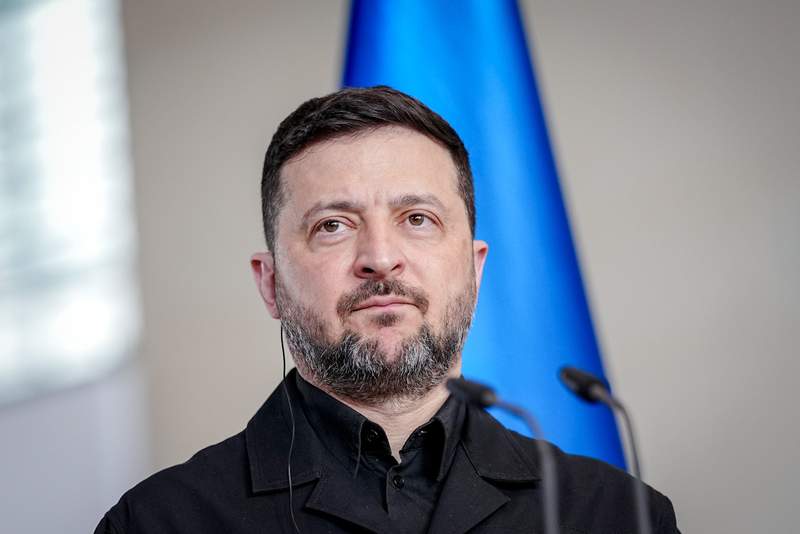
It’s not often that a single pronouncement can cut through the fog of war like a knife, but Ukrainian President Volodymyr Zelensky’s assertion has managed just that. He says, verbatim, “Russia losing initiative on battlefield in Ukraine, says Zelensky”—a stark contrast to the months where Russia’s slow, methodical advances dominated much of the narrative. But declarations on paper and realities on the muddy, brutal ground can be wildly different beasts, as anyone who’s ever reported from a conflict zone can tell you. You know, these things aren’t as neat as the strategists in comfy rooms sometimes make ’em out to be. It’s a mess. A horrifying mess. [QUOTE_PLACEHOLDER]
And, if we’re being blunt, Kyiv’s claim, though broadcast widely, requires a closer look beyond the immediate celebratory headlines. Because losing ‘initiative’ doesn’t quite translate to ‘losing the war.’ It means the tempo changes. It means Russia isn’t dictating every single move—but that hardly makes it a done deal. Moscow, always the master of the slow burn, isn’t about to pack up its bags and head home just because someone’s declared a slight change in the momentum. They’re dug in, literally — and figuratively.
This war, — and these claimed shifts, reverberate far beyond the steppes of Eastern Europe. Consider Pakistan, for instance, a nation caught in its own complex dance with economic instability and regional pressures. Pakistan, like many other South Asian and Muslim-majority nations, has grappled with the brutal energy price hikes and food supply chain disruptions triggered, in part, by this conflict. They’ve gotta balance a historical non-aligned foreign policy with the hard realities of their own energy security—something we sometimes forget when focused solely on the front lines. The decisions made in Kyiv and Moscow directly impact the price of a gallon of fuel or a sack of flour in Karachi or Lahore. We’re all tied together, whether we like it or not.
But back to the battlefield. The Kremlin, for its part, remains publicly unmoved by such pronouncements. Their media apparatus paints a different picture, always has. It’s a classic information war, too, let’s not forget. But numbers do tell a story, even if they’re often sanitized for public consumption. A recent United Nations report indicated that more than 6.3 million people have fled Ukraine as refugees since the invasion began—a raw statistic that cuts through all the strategic talk. That’s a massive human displacement, a silent, bleeding testament to the real costs of this prolonged fight. Those aren’t just figures on a page; those are lives upended, forever changed.
Conversations with diplomatic sources—who wouldn’t be quoted for attribution on a bet, not when allegiances are still so fluid—suggest a more cautious interpretation. The West, while outwardly bullish on Ukrainian successes, is also quietly scrambling to resupply dwindling munitions stocks and address procurement challenges. It’s not a clear-cut triumph; it’s a grind. A grueling, relentless grind. They’re making do, improvising, trying to adapt to what Russia throws their way, and what their own limited resources can achieve. The chessboard analogy, if you’re going to use it, involves pieces made of flesh — and bone, remember that.
What This Means
Zelensky’s confident remarks, if genuinely reflecting a shift in tactical advantage, will inevitably embolden Ukraine’s Western allies to sustain their economic and military aid—which is exactly what they need right now. It provides political cover for increasingly expensive packages of weapons and financial support, especially in European capitals grappling with domestic cost-of-living crises. It says, ‘See? It’s working.’ For Moscow, this narrative push will likely intensify its own internal rhetoric, framing the conflict not just as a territorial defense but a broader struggle against NATO encroachment. It means more sanctions talk, more counter-sanctions, — and frankly, more hardening of already calcified positions.
Economically, prolonged conflict with no decisive end means continued instability for global energy markets. Any glimmer of Ukrainian ascendancy might temporarily ease fears of a protracted war dragging down commodity prices, but the underlying geopolitical friction remains. Developing nations, already staggering under inflation and debt, will continue to bear the brunt—like Pakistan, which relies heavily on imported oil and gas, its currency often tumbling with every ripple from this far-off war. We’re talking about food security — and economic resilience being stretched thin in places already walking a tightrope.
And perhaps most importantly, this narrative of a Russian loss of ‘initiative’ could further solidify international perceptions, subtly reshaping the diplomatic landscape for years to come. It doesn’t mean Putin falls tomorrow; it just means his grip, internally and externally, might be perceived as ever-so-slightly weaker. But perception—ah, that’s a dangerous thing in global politics. Because what’s perceived can, sometimes, become real. Fast.