


Bayern Munich’s Transfer Tango: Arabian Gulf Funds Lure Star, Kane Rumors Swirl Amidst Club’s Tight Margins
POLICY WIRE — Munich, Germany — There are moments when the gilded age of European football seems to flicker, revealing the brass tacks beneath all that polished silver. Bayern Munich, that seemingly...

POLICY WIRE — Munich, Germany — There are moments when the gilded age of European football seems to flicker, revealing the brass tacks beneath all that polished silver. Bayern Munich, that seemingly impenetrable fortress of continental dominance, finds itself—and it’s pretty awkward, honestly—sniffing around the Arabian Gulf like a club suddenly conscious of its own pocket lint. They’re not exactly strapped, but their strategy looks a lot like ours after a big holiday spending spree: sell something before you buy anything else. And this isn’t just small potatoes; they’re reportedly eyeing an exit for one of their most dynamic talents.
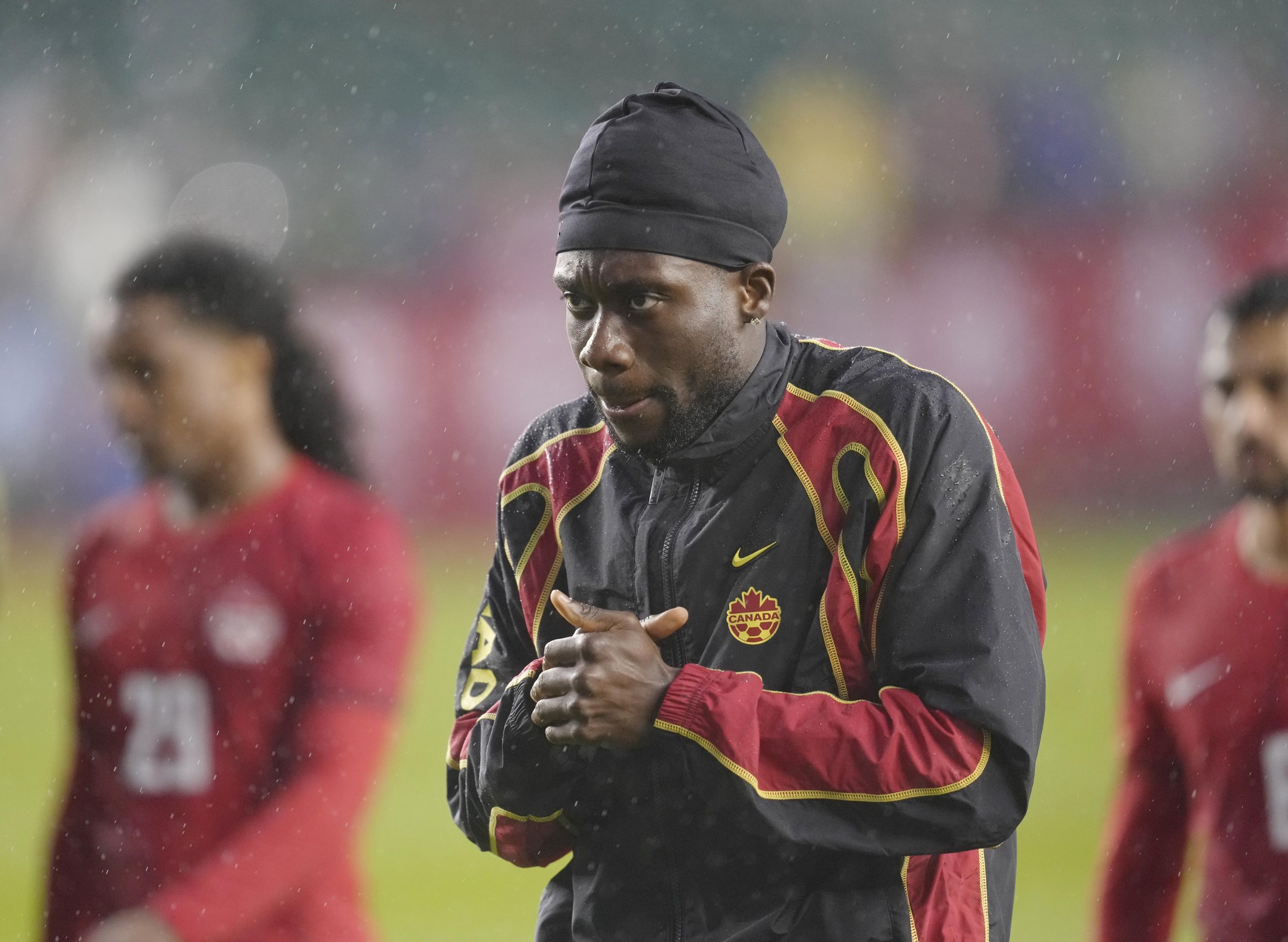
It seems the allure of a really huge offer from Saudi Arabia for Alphonso Davies isn’t just hypothetical anymore. Insiders suggest the Bavarian behemoths are actively hoping for it, for that golden ticket to loosen up their transfer budget. Imagine, a club with Bayern’s pedigree, waiting on petrodollars to dictate its defensive acquisitions. What a time to be alive, right?
Because, you see, the mechanics are a bit delicate. As veteran football scribe Christian Falk noted, FC Bayern are still hoping to get a really huge offer from Saudi Arabia for Alphonso Davies. Then they’d have to think about that as well! That means a lot. It tells us that even for clubs at the very top, the financial winds are shifting. They’re testing the market. And it’s a tight market, too. Selling Davies, or perhaps even Japanese defender Hiroki Ito for his €20m price tag, could unlock moves for prospects like Lewis Hall or Nathaniel Brown.
But there’s a flicker of irony here, a dry chuckle in the dugout. Is Bayern Munich really looking to offload Davies? It almost seems too soon, doesn’t it? Reports have indicated that the Bavarians are unsure that they can continue to trust Davies because of his injuries, and that’s a brutal assessment for any young player. Yet, to let go of such explosive talent simply because of budget constraints, especially when a non-European league might be the beneficiary, well, it speaks volumes about the global economic tug-of-war for sporting supremacy.
Then, flip the coin. What about the other end of the pitch? Barcelona, ever the financial adventurers, are reportedly turning their attention to England’s captain, Harry Kane. According to ESPN, FC Barcelona might be ready to make it happen, particularly if a move for Atlético Madrid’s Julián Álvarez falls through. Bayern, it’s whispered, would be open to starting negotiations at €80 million for the star striker. Now, FC Bayern has shown no signs of wanting to sell Kane, but you can feel the undertow of speculation. Kane, 32, allegedly interested in a Camp Nou switch, would offer a curious bookend to Robert Lewandowski’s departure.
But let’s be real, this is classic ‘silly season’ stuff, isn’t it? Bayern has Kane on contract through 2026/27, which ain’t yesterday. Any notion of him actively pushing off his contract talks with Bayern Munich in hopes of trying to make a move to FC Barcelona sounds like some deep conspiracy talk, a tin-foil-hat theory concocted over too many strong coffees.
Yet, amidst this transactional frenzy, there are human elements, too. Spare a thought for Christoph Baumgartner, for instance. A muscle injury while warming up meant World Cup exit for Christoph #Baumgartner, a tough break for the Austrian attacking player. Meanwhile, Konrad Laimer’s contract talks with Bayern are moving in a positive direction, with player and club sounding genuinely keen on extending. You can just about hear the dressing room banter—somebody joking about why Laimer wanted so much money for his new contract!
On the defensive front, Manchester City’s Joško Gvardiol commented on his future, effectively shrugging off the noise: “There are all kinds of stories coming from everywhere. It’s hard to talk about it now. I have everything I need at City. Before the injury I was playing every match, after the World Cup we’ll see what happens.” That’s a sensible approach when the rumor mill is spinning as fast as it’s. Even Ibrahima Konaté of Liverpool, briefly linked to Bayern, is now reportedly heading to Real Madrid, having put Saudi bids on hold for them, showcasing Madrid’s enduring pulling power.
And let’s pause for a moment of genuine, unambiguous accomplishment: Oliver Baumann. On his 36th birthday, the Hoffenheim keeper reminded everyone what true grit looks like. OptaFranz reported he saved 16 penalties (out of 75) in the Bundesliga—the most of all active goalkeepers and the fourth most in Bundesliga history. Backbone. Something to appreciate in a market where loyalty feels increasingly like a vintage concept.
What This Means
The potential move of Alphonso Davies to a Saudi Arabian club isn’t merely a player transfer; it signals a tectonic shift in the global football economy. These aren’t just benevolent investments anymore. Instead, they represent a strategic leverage of vast hydrocarbon wealth to assert soft power and diversify economies, a model keenly observed and sometimes emulated across the Muslim world. For Riyadh, attracting high-profile talent to the Saudi Pro League isn’t just about entertainment; it’s a deliberate, well-funded foreign policy instrument, shaping international perceptions and fostering domestic pride.
But the ramifications aren’t just external. For traditional European powerhouses like Bayern, it forces a pragmatic reassessment of squad building. No longer can they dismiss leagues outside the European elite. The need to offload assets—even valuable ones like Davies—to balance the books or fund other transfers demonstrates the intensifying financial pressures even on football’s established giants. This mirrors, in a strange way, the dynamic discussed in “Ice Age Collision: Vegas’s New Money Meets Carolina’s Old Grit in 2026 Stanley Cup Final” — the collision of “new money” with established legacy. The long-term implications could see a more diffuse distribution of top-tier talent, potentially impacting viewership and sponsorship dynamics not just in Europe, but also in lucrative Asian markets where fanbases are vast, and the reach of satellite leagues is growing. It’s not just about winning trophies anymore; it’s about navigating an increasingly complex global financial ecosystem for talent.