


When Allegations Strike, NFL’s ‘Business as Usual’ Echoes, Fans Cry Foul
POLICY WIRE — Green Bay, USA — It wasn’t the fresh Wisconsin breeze or the scent of freshly cut turf that dominated conversation at Lambeau Field this week. Oh no. Instead, a rather acrid cloud...

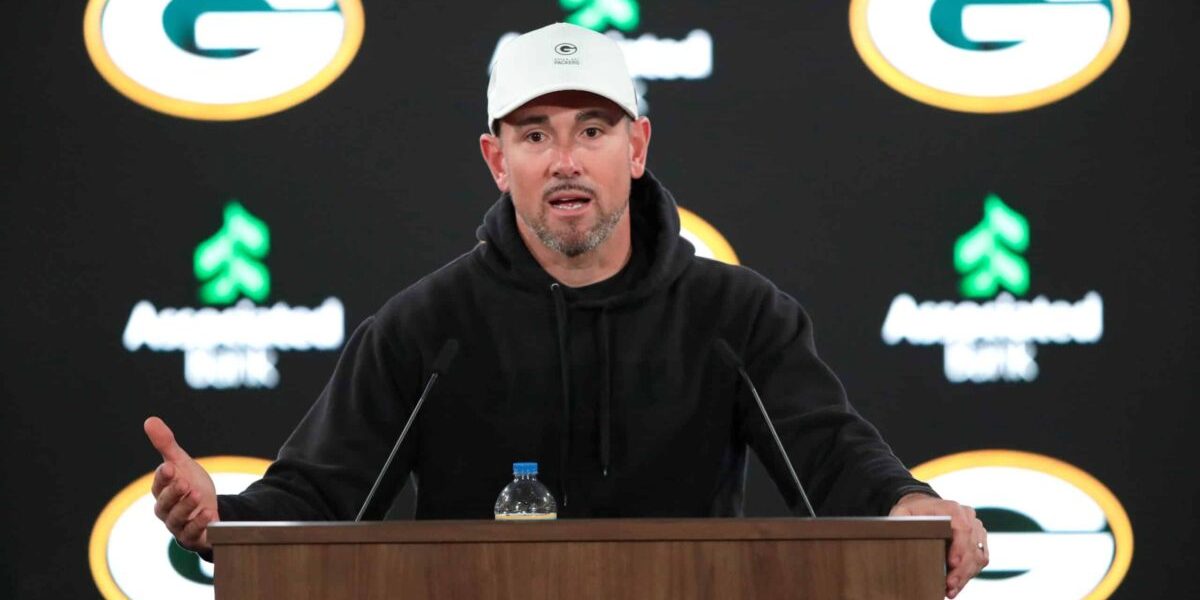
POLICY WIRE — Green Bay, USA — It wasn’t the fresh Wisconsin breeze or the scent of freshly cut turf that dominated conversation at Lambeau Field this week. Oh no. Instead, a rather acrid cloud of public discontent hung heavy, sparked not by a losing streak, but by a chillingly bland utterance from the usually affable Green Bay Packers head coach Matt LaFleur.
“Business as usual.” That’s what LaFleur offered the press corps regarding star running back Josh Jacobs’ swift return to practice. This, mind you, mere days after Jacobs’ apprehension following multiple 911 calls, including those from a neighbor, detailing alleged domestic abuse. Not just ‘a little misunderstanding,’ folks, but charges that apparently included a felony for strangulation and suffocation. And yet, the ball’s still spinning, the cleats are hitting the grass, and the narrative from the top, predictably, feels utterly detached from the gravity of the accusations. It’s a tale as old as professional sports: immense talent often buys a fast track back to the locker room, public outrage be damned.
Jacobs, 28, found himself in a messy situation on May 26th, booked on five charges after an incident days prior. Strangulation and suffocation (a felony, let’s just hammer that home), battery-domestic abuse, criminal damage to property, disorderly conduct, and intimidation of a victim. Serious stuff, by any measure. Most regular working stiffs facing such allegations would be navigating courtrooms, maybe some mandatory leave, definitely some awkward HR meetings. But in the rarefied air of billion-dollar sports leagues? Different rulebook, it seems. Because, as one furious fan succinctly put it on social media, "Assault is business as usual in the NFL."
The incident, and the team’s seemingly casual reaction, isn’t just an American spectacle; it’s a globally recognized pattern. We see similar discussions erupt everywhere from the glitzy European football leagues to the intense scrutiny around cricketers in South Asia. In countries like Pakistan, for instance, public figures accused of domestic violence, while not immune to legal process, often find their careers impacted significantly, sometimes irreparably, by public opinion and moral strictures — a contrast to what often feels like the NFL’s insulated, internal justice system. The universality of the crime doesn’t always translate into a universal standard of accountability, particularly when massive commercial interests are at stake.
But the NFL — and its teams appear to be working from an old, tired script. "Our organization takes these matters incredibly seriously, and we’re committed to upholding the integrity of the league while respecting due process," an NFL spokesperson, speaking on background and reflecting long-established league boilerplate, told Policy Wire. Translation: We’ll make noise about ‘seriousness’ while we wait for the legal system, or, more often, an internal investigation to quietly resolve things away from public glare. It’s an interesting dance, isn’t it? A moral tightrope walked with millions in advertising dollars clutched tight in one hand.
LaFleur, for his part, maintained a stoic posture, though a certain weariness reportedly tinged his comments to close colleagues. "My priority is our team, — and player availability. While we acknowledge the ongoing process, we’ve been advised that Josh is available to participate in team activities, and that’s our focus right now," the coach allegedly confided in a private moment, as recounted by a source close to the coaching staff. It’s a pragmatic, if soulless, approach, designed to insulate the franchise from criticism by leaning on legal technicalities rather than moral conviction.
Let’s not kid ourselves: this isn’t just about football. It’s about optics, money, and power. According to the National Coalition Against Domestic Violence, nearly 1 in 4 women in the U.S. have experienced severe physical violence by an intimate partner. This isn’t some niche issue. When a league treats such serious allegations with a shrug and a "business as usual," what message does that send to its vast audience, particularly the significant female demographic that helps drive its multi-billion-dollar enterprise?
What This Means
This episode rips open the enduring chasm between professional sports’ self-professed values and its practical application. Economically, a public outcry this vehement could pressure sponsors. For all the talk of ‘community partnership,’ no major brand wants its logo associated with tacit approval of alleged violence. Politically, the NFL avoids regulation like a punt returner avoids tacklers, but sustained public disaffection could, eventually, lead to calls for more governmental oversight or independent arbitration in player conduct cases. This isn’t just about one team or one player; it’s about the social license of a mega-industry. Like Hollywood grappling with its own scandals, the NFL’s reputation takes hits. And each time, it begs the question: are sports leagues truly self-regulating entities when it comes to social responsibility, or simply self-preserving economic behemoths? for many within the broader Muslim world, where conservative values often dictate stricter moral expectations for public figures, the league’s response might appear especially dissonant with calls for justice and accountability.