


Desert Bloom or Drought’s Deception? New Mexico’s Sun-Drenched Holiday Conceals Deeper Worries
POLICY WIRE — Santa Fe, New Mexico — As Americans rev up their grills and dust off their swimsuits for Memorial Day, New Mexico braces for a weekend promising sun-drenched skies and temperatures...

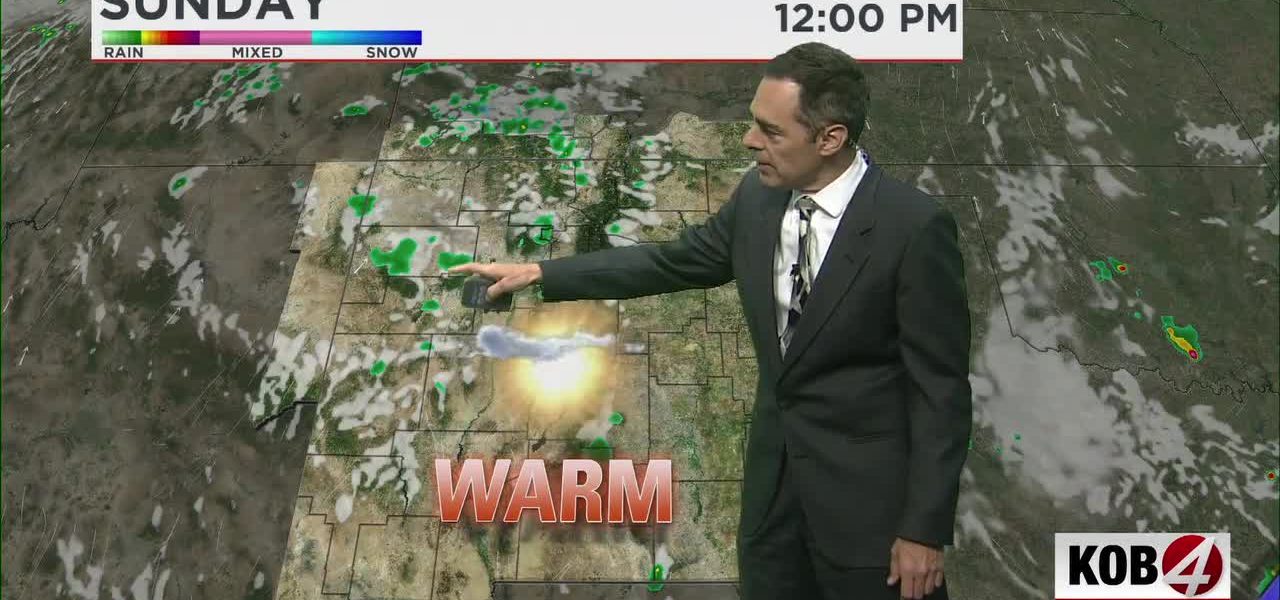
POLICY WIRE — Santa Fe, New Mexico — As Americans rev up their grills and dust off their swimsuits for Memorial Day, New Mexico braces for a weekend promising sun-drenched skies and temperatures pushing the upper 90s in its southern reaches. For many, it’s an idyllic start to summer—a welcome, albeit temporary, reprieve from the relentless news cycle. But scratch beneath the surface of this seemingly perfect forecast, and you’ll find a state locked in a quiet, existential struggle over its most precious resource: water.
It’s easy enough to get caught up in the allure of three days off, isn’t it? The tourism brochures won’t mention the dwindling reservoir levels or the snowpack numbers that just weren’t quite enough this past winter. Instead, they’ll paint a picture of endless blue skies, perfect for outdoor adventuring. And sure, those skies will deliver, at least through Sunday. Most of the state is set to stay bone-dry and toasty, though a rogue afternoon thunderstorm might pop up east of the Rio Grande. But don’t get too comfortable. Monday brings an almost apologetic hint of reality, with a weakening storm system lumbering eastward, increasing rain chances for areas around Albuquerque and Santa Fe by evening.
This isn’t just about a forecast, though. It’s about the narrative New Mexico, a land defined by aridity, constantly battles. The sort of sustained warmth predicted for this weekend, unmarred by significant rainfall, contributes to an evaporative demand that chokes the life out of river flows and pushes drought metrics into ever more alarming territory. It’s a short-term pleasure with long-term consequences that keep policy makers — and water managers awake at night.
“The lure of a sun-drenched holiday is undeniable, of course,” Governor Michelle Lujan Grisham reportedly observed at a recent environmental briefing, her gaze perhaps drifting toward the expansive drylands outside her window. “But we’re living on borrowed time here. Our long-term projections don’t exactly paint a picture of abundant monsoon season bliss. We can’t afford to treat water as a given, especially not with weekends like this accelerating its departure.”
Because while the state’s tourism boards highlight its vibrant culture and majestic landscapes, its hydrological data tells a much starker story. According to the U.S. Drought Monitor, over 90% of New Mexico has been experiencing some level of drought conditions for the better part of the last three years, a figure that just underscores the tenuous balance the state maintains with its most precious resource. These aren’t mere statistics; they’re the raw material for future crises.
📄 POLICY WIRE WHITEPAPER PUBLISHED: PAKISTAN'S NATIONAL SECURITY POLICY PRIORITIES
👉 READ BY CLICKING HERE“Sure, folks will hit the lakes this weekend,” State Water Engineer Mike Hamman, a veteran of countless drought cycles, remarked dryly (pun probably intended). “But what they’re seeing on the surface might not reflect the bare facts deeper down. We’re already seeing flows that would make an old-timer like me raise an eyebrow, — and it’s barely June. We’ve got an entire summer ahead of us. An exceptionally warm, dry holiday only pushes those baseline levels down further, faster.”
New Mexico’s struggle isn’t isolated. It’s a localized manifestation of a global pattern. Consider nations across South Asia, for instance—places like Pakistan, which has seen its own landscapes whipsaw between catastrophic floods and searing droughts in recent years. Their agricultural heartlands, once watered by predictable glacier melt and monsoon rains, now face an erratic dance of extremes, challenging food security and driving internal migration. New Mexico, with its own history of battling for resource management and environmental resilience, offers a temperate (for now) glimpse into the kind of environmental instability that grips many parts of the Muslim world—a shared burden on a warming planet. The difference, perhaps, lies only in scale — and population density.
What This Means
The short-term joy of a clear, warm Memorial Day weekend in New Mexico glosses over significant, compounding pressures. Economically, prolonged drought impacts everything from agriculture to outdoor recreation, vital sectors for the state. Think less yield for chile farms, reduced water levels for rafting outfitters, and an ever-present threat of wildfires (already a concern). Politically, the management of scarce water resources becomes a permanent wedge issue, creating tension between urban centers, agricultural communities, and tribal nations, all with competing, desperate needs. Decisions made—or not made—now will define the state’s livability and prosperity for decades. This isn’t just a weather forecast; it’s a dispatch from the front lines of climate adaptation. The challenge extends to national infrastructure, demanding proactive investment in sustainable energy and water solutions, not just reactive disaster relief. And as the heat rises, so too will the stakes, turning every fair-weather forecast into a tacit reminder of the deepening crisis beneath.
📖 GET YOUR FREE COPY NOW OF POLICY WIRE DIGITAL MAGAZINE JULY 2026 EDITION
👉 READ & DOWNLOAD FREE MAGAZINE