

Desert Detour: Delta’s Unexpected Farmington Layover Exposes Aviation’s Fragile Ballet
POLICY WIRE — Albuquerque, N.M. — The morning commute for several hundred airline passengers began with the usual hurried shuffle through Atlanta, anticipating the desert sun of Albuquerque. But as...

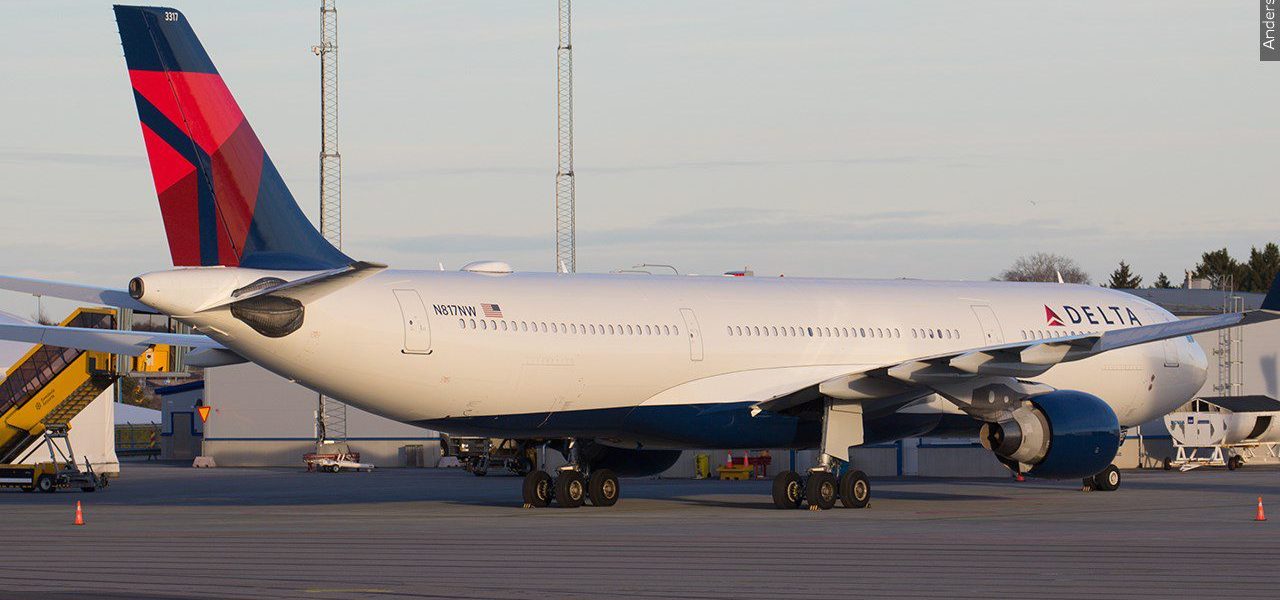
POLICY WIRE — Albuquerque, N.M. — The morning commute for several hundred airline passengers began with the usual hurried shuffle through Atlanta, anticipating the desert sun of Albuquerque. But as dawn broke over the New Mexico desert, painting the Sandia peaks in hues of bruised peach and tired lavender, a more mundane—yet entirely disruptive—drama unfolded, leaving hundreds of travelers grounded in an unexpected detour. Their Delta flight, cruising toward its planned destination, was instead directed to the far less bustling runway of Farmington, a detour dictated by a grounded aircraft creating what officialdom politely termed an ‘operational inconvenience’ at Albuquerque’s Sunport.
It wasn’t a sudden engine flameout, nor was it some grand geopolitical snafu (though the travel industry certainly sees its share of those). Nope. Just one aircraft, disabled on the asphalt, bringing the meticulous choreography of a major regional airport to an abrupt, screeching halt. Passengers watched their trajectory on FlightAware, a digital breadcrumb trail illustrating their hopeful circles over the target city before an abrupt, decisive turn north. From the air, they witnessed the subtle pivot, the silent recalibration of an intricate global system, all because one plane decided it wasn’t going anywhere fast.
And so, hundreds of weary travelers traded a comfortable landing for a two-hour bus ride, effectively exchanging wings for wheels. A seemingly small hiccup, isn’t it? A bit of metal in the wrong place, and suddenly the dominoes tumble, not just for passengers, but for an airline’s finely tuned schedule and, let’s face it, its quarterly bottom line. Delta Airlines was quick to confirm the diversion, noting pointedly, ‘The disabled aircraft was not ours.’ It’s the sort of statement that reassures while simultaneously shifting responsibility, a nuanced corporate ballet of deflection.
“We prioritize passenger safety above all, and any disruption on the tarmac, regardless of the airline involved, requires immediate, standardized protocol,” stated Sarah Chen, a regional spokesperson for the Federal Aviation Administration (FAA), in an emailed response. She added, rather formally, “These measures are in place to prevent far greater hazards, ensuring the integrity of our air traffic control systems.” Because, you know, it’s not just about one plane; it’s about the whole darn system. Don’t underestimate the ripple effect.
But the incident wasn’t merely a localized kerfuffle; it’s a stark, momentary exposure of the tight margins and vulnerabilities inherent in global air travel infrastructure. Major hubs often absorb such shocks with impressive alacrity, but a single runway blockage at a medium-sized airport can expose systemic fragilities, forcing airlines to get creative (or inconvenient) with their solutions. It’s a challenge mirrored, in far more severe forms, across the globe, where less robust facilities contend with maintenance issues that regularly cripple air transport. Consider the persistent challenges faced by certain airports in Pakistan, for instance, where aging equipment or sporadic investment in infrastructure can turn a minor operational fault into a multi-day saga of delays and cancellations, sometimes isolating entire regions.
Mark Jensen, Delta Airlines Director of Operations, addressing the diverted passengers in Farmington, reportedly told them, “This isn’t how we planned your arrival, and we certainly appreciate your patience. We’re working diligently to minimize any further inconvenience and get everyone to their final destination as swiftly as possible.” A standard corporate reassurance, but one imbued with the tangible frustration of hundreds waiting for ground transport. The sheer logistics of moving passengers, retrieving baggage, and rescheduling subsequent flights become a real-time stress test on an airline’s operational resilience.
📄 POLICY WIRE WHITEPAPER PUBLISHED: PAKISTAN'S NATIONAL SECURITY POLICY PRIORITIES
👉 READ BY CLICKING HEREThese kinds of disruptions, however localized they may appear, rack up real costs. In 2023, nearly a quarter of all U.S. flights experienced delays, often due to operational issues on the ground, according to the Bureau of Transportation Statistics. This incident wasn’t merely an inconvenience; it was a snapshot of a meticulously engineered system operating right at its capacity, a constant balancing act between efficiency and unforeseen calamity. The Sunport, when asked for details on the disabling of the original aircraft, remained conspicuously silent—perhaps assessing the structural integrity of its operations, or simply, processing the paperwork.
What This Means
This episode, while ostensibly about a single flight, serves as a policy canary in the coal mine for broader aviation oversight. It throws a glaring spotlight on airport infrastructure capacity — and regulatory response. From a political perspective, sustained, minor disruptions like this can erode public confidence in transport systems, eventually leading to demands for greater government scrutiny or funding for upgrades. Federal agencies, already wrestling with a sometimes-contentious relationship with air carriers, face constant pressure to balance safety regulations with operational efficiency—and profitability. A ‘disabled aircraft’ isn’t just mechanical; it’s a policy issue when it impacts hundreds of travelers.
Economically, these unexpected detours translate into hard costs: fuel expended in holding patterns, the expense of arranging alternative ground transport, lost revenue from missed connections, and compensation for passenger inconvenience. For local economies like Albuquerque’s, consistent airport efficiency is a bread-and-butter issue; disruptions can ripple through tourism, business travel, and freight. This specific incident may be small in the grand scheme, but it acts as a stress-test—a quick check of an airport’s operational mettle and the elasticity of the airline industry’s contingency plans. And, of course, for Farmington, it’s a brief, unexpected influx of bewildered travelers and an unusual day for the local bus charter services. But, generally speaking, it’s just a reminder: sometimes, even the most advanced systems run on a wing and a prayer, especially when a critical component hits a snag. Like in professional sports, where unexpected stumbling blocks can reveal deeper issues. Planes, like dynasties, sometimes fall unexpectedly.