


New Mexico Takes a Swing at the Grim Reaper, Pickleball Paddle in Hand
SANTA FE, N.M. — Most states content themselves with quietly managing the inevitable. They publish statistics, draft care directives, — and debate Medicare solvency behind closed doors. But New...

SANTA FE, N.M. — Most states content themselves with quietly managing the inevitable. They publish statistics, draft care directives, — and debate Medicare solvency behind closed doors. But New Mexico, apparently, prefers to confront the creeping narrative of decline with a spirited — and perhaps slightly aggressive — game of pickleball. That, and a zipline.
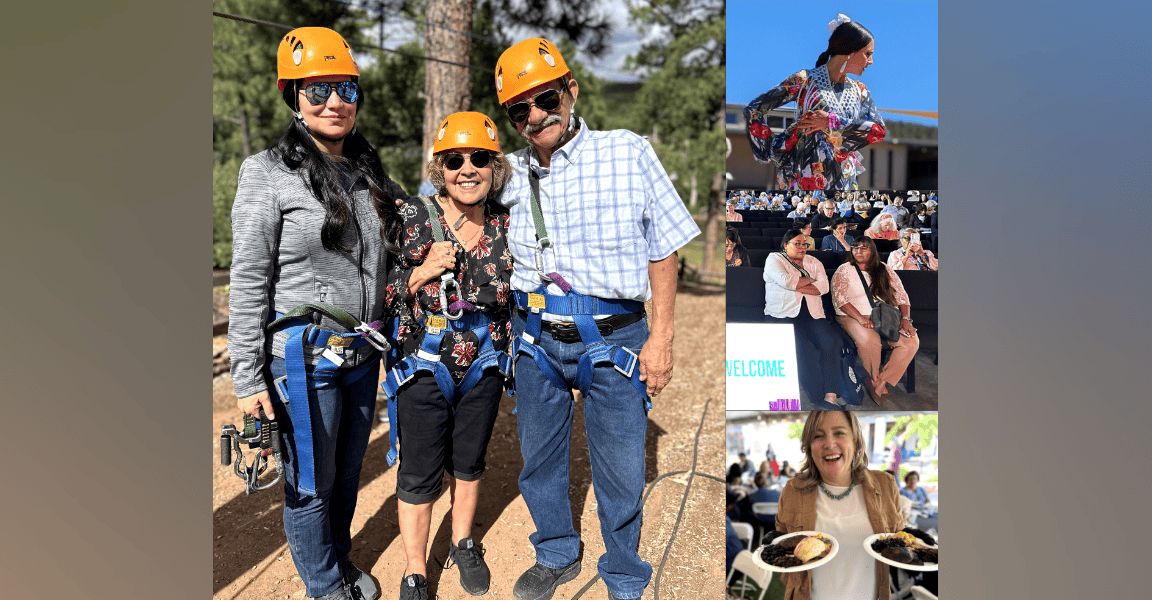
It’s a peculiar brand of defiance, this year’s 48th Annual New Mexico Conference on Aging. Forget your quiet discussions about pharmaceutical benefits; Santa Fe’s bureaucrats are banking on a social dance, mini-golf, and stargazing to dismantle the insidious notion that once you hit a certain age, you’re destined for a rocking chair and lukewarm soup. They want you out there, quite literally, hiking guided trails and perhaps, if you’re feeling bold, soaring through the air on a cable, all while pondering long-term care policy.
This isn’t just about boosting attendee numbers at Glorieta Conference Center, set for September 23-24. No, this feels like a deliberate, almost combative, statement against the prevailing Western cultural obsession with youth—a relentless current that sweeps older citizens into an eddy of perceived obsolescence. And frankly, it’s about time someone threw a wrench, or a wiffle ball, into that predictable machine.
Because the numbers, they’re not exactly whispering. According to the U.S. Census Bureau, nearly 18% of New Mexico’s population clocked in at 65 years or older in 2022, a figure that just keeps inching north. That’s a demographic reality that can either be a burden or, as New Mexico seems to be arguing, a dynamic force. It’s a challenge that many nations, particularly those with rapidly expanding and often impoverished senior populations—you think of the care crisis simmering in parts of Pakistan, for instance—can only view with a mixture of dread and longing. How do you maintain dignity, health, — and activity when resources are stretched thin?
“We’re not just fighting a stereotype; we’re reclaiming a generation’s rightful place,” stated Secretary Elena Rodriguez, head of the New Mexico Department of Aging and Long-Term Services, which is throwing this unusual shindig. She didn’t pause. “This isn’t about being young forever; it’s about being vibrantly, actively, unequivocally older. And we’re putting our resources, and yes, our ziplines, where our mouth is.” Her words carried the weight of someone weary of platitudes, ready for action.
But can a conference—even one with free shuttle rides from Santa Fe and all-inclusive access to keynote talks, breakout sessions, and enough snacks to fuel a marathon—truly shift deeply ingrained societal attitudes? It’s a tall order. The price of admission, a relatively modest $50, grants access to an entire world where active aging is championed, but what happens when attendees return to their daily routines, to doctors who perhaps dismiss their symptoms as “just age,” or to family members who treat them like fragile relics?
And this is where the real policy push comes in. Because a culture shift requires more than just recreational activities; it demands robust support systems. It calls for better public transport, accessible housing, and medical professionals trained in geriatric care who view their patients as individuals with continued potential, not merely ticking biological clocks.
📄 POLICY WIRE WHITEPAPER PUBLISHED: PAKISTAN'S NATIONAL SECURITY POLICY PRIORITIES
👉 READ BY CLICKING HERE“The Western world often isolates its seniors, a stark contrast to many traditional societies, say, in parts of rural Punjab, where elder wisdom remains the bedrock,” observed Dr. Tariq Zahir, a noted global gerontology researcher — and a visiting fellow at the University of New Mexico. His voice was calm, authoritative. “New Mexico’s initiative, humble as it seems, nudges us closer to a more integrated, humane model of aging—a necessary course correction if we’re to avoid immense societal strain down the line.”
The state’s efforts echo a broader need for rethinking our relationship with growing old. It’s a conversation that hits different when you consider the intricate political dynamics across borders, where demographic changes are rapidly redrawing the social landscape. Take, for instance, the recent shifts in Nuevo Mexico’s shifting rhythms, where population changes are already reshaping local power structures. What we’re seeing in Santa Fe might just be a leading indicator, an early attempt to sculpt a new normal for our greying societies.
What This Means
This isn’t merely a feel-good public relations exercise from the New Mexico Department of Aging — and Long-Term Services. It’s a calculated — perhaps desperate — attempt to inject a desperately needed positive frame into the societal discussion surrounding aging. Economically, an active, engaged senior population puts less strain on healthcare systems and contributes more to local economies. Politically, a demographic segment that feels valued is far more likely to engage civically, voting, volunteering, and participating in community life, as opposed to becoming a disenfranchised, resentful bloc. There’s a potential dividend in maintaining cognitive and physical function; healthier seniors means less expenditure on chronic disease management and institutional care down the line. It’s a long game, played out not just in state policy documents, but in the choices individuals make about their health and social connections. And because so many societies around the globe, from the dusty streets of Peshawar to the urban sprawl of Cairo, face similar — often more acute — challenges with rapidly aging populations and evolving family structures, New Mexico’s slightly kooky approach might actually provide a blueprint, a flicker of what a more dignified, active elderhood could look like. Maybe it’s not about finding the fountain of youth. Maybe it’s about making the years you have left genuinely good. It’s a thought.
For more unconventional narratives, you might appreciate Liana Bdewi’s journey from theatre school to Disney voice actor.