


Albuquerque’s ‘Nonviolence’ Summer: A Bet on Basketballs, Food Banks, and a Quiet Plea for Peace
POLICY WIRE — Albuquerque, N.M. — It wasn’t the kind of peace pact you sign with warring factions across a velvet-covered table. No, this was something altogether different. Albuquerque’s...

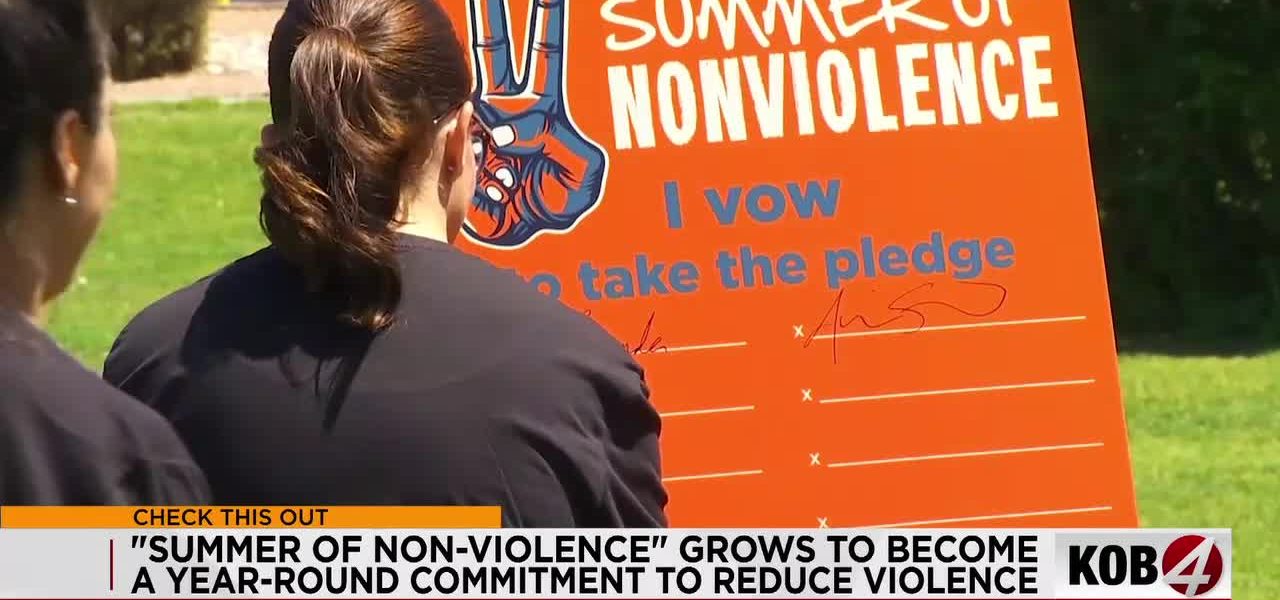
POLICY WIRE — Albuquerque, N.M. — It wasn’t the kind of peace pact you sign with warring factions across a velvet-covered table. No, this was something altogether different. Albuquerque’s civic leaders, in what has become an annual ritual that feels a bit like urban gardening – planting seeds of goodwill and hoping they bear fruit – have once again rolled out their ‘Summer of Nonviolence’ program. But scratch the surface of the aspirational branding, — and you’ll find a far more gritty, pragmatic effort. This isn’t just about kumbayas and stern warnings; it’s about basketballs, drive-in movies, and the stark reality of free food boxes.
For the third year running, the city’s powers-that-be kicked things off at Manzano Mesa Park, replete with coffee, crepes (because, why not?), and the usual calls for collective calm. It’s a strange juxtaposition, really: a campaign aimed at curbing youth violence that starts with pledges, yes, but quickly pivots to practical, almost transactional, community outreach. Think less philosophical debate, more survival tactics. And that, frankly, tells you a whole lot about what folks here are up against.
Chief Cecily Barker of the Albuquerque Police Department, a figure accustomed to navigating the city’s complex social landscape, framed it in stark, yet hopeful terms. “We’re past the point of just reacting,” she told Policy Wire. “This is about inoculation, providing an alternative. We can’t police our way out of every social ill; sometimes, you just gotta show up with a jump shot tournament and a sandwich.” It’s a sentiment that speaks volumes about the shifting role of law enforcement, turning community engagement into a frontline defense rather than just a public relations exercise.
Jeffery Bustamante, the indefatigable community outreach manager for Albuquerque Community Safety, laid out the menu of diversion: basketball camps, volleyball showdowns, pool parties, and, yes, drive-in movies making a comeback. He mentioned that last year, a single drive-in screening drew over 2,000 residents, a hard statistic suggesting folks are desperate for affordable distraction. But what truly sets this iteration apart, Bustamante insists, is its deeply personal touch.
They’re not just handing out flyers — and high-fives, you see. Families attending these events are quietly, almost unassumingly, offered a survey. It’s a chance for them to signal — discreetly, without judgment — if they’re teetering on the edge. Because that’s where the program shows its teeth. Rental assistance. Food boxes. Utilities. You name it. “We don’t interrogate; we just ask if they need help, any help, and we find a solution,” Bustamante clarified, a rare admission of governmental humility. He noted that hundreds, perhaps thousands now, have sought follow-up support.
📄 POLICY WIRE WHITEPAPER PUBLISHED: PAKISTAN'S NATIONAL SECURITY POLICY PRIORITIES
👉 READ BY CLICKING HEREThe entire endeavor smacks of a realization, however belated, that nonviolence isn’t merely the absence of conflict. It’s the presence of opportunity. It’s the assurance that one bad week doesn’t have to snowball into a cascading failure. Albuquerque, like countless other cities worldwide, has wrestled with the systemic roots of urban friction for decades. Its challenges aren’t unique. Consider Karachi or Lahore, where burgeoning populations — and economic disparities often fuel local disaffection. Similar grass-roots organizations, sometimes religiously motivated, sometimes purely humanitarian, have learned to offer everything from vocational training to direct material aid as a preemptive measure against social decay. This kind of nuanced community work, quietly chipping away at hardship, is less headline-grabbing but far more potent.
But can a smorgasbord of activities — and a compassionate intake form truly stem the tide of urban disquiet? It’s a grand experiment, certainly. And one born of sheer necessity. Because when the stakes are kids’ futures, you throw everything you’ve got at the wall. Even if that ‘everything’ includes a free bag of groceries — and a blockbuster on a big screen.
What This Means
The Albuquerque initiative, despite its almost quaint name, offers a potent — and potentially replicable — model for urban resilience. It subtly acknowledges that abstract notions of ‘peace’ are hollow without concrete economic and social support structures. By integrating basic needs assessments into community engagement, the city isn’t just treating symptoms; it’s proactively addressing the stressors that can drive individuals, especially young people, towards destructive paths. This blend of prevention — and provision highlights a quiet but profound shift in municipal strategy. It implies a deeper understanding that societal stability isn’t bought with law enforcement budgets alone, but forged in the often-unseen work of ensuring families have enough to eat, a safe place to live, and something positive to occupy their children’s long summer days. It’s a calculated gamble on human dignity, betting that an investment in basic welfare is the truest form of crime prevention.