


Diplomatic Firestorm: UK Summons Israeli Envoy Over Ben-Gvir’s ‘Incendiary’ Display
POLICY WIRE — London, UK — It isn’t every day you see Britain’s usually staid diplomatic machinery crank into such conspicuous action. But the optics were just too glaring, the message...

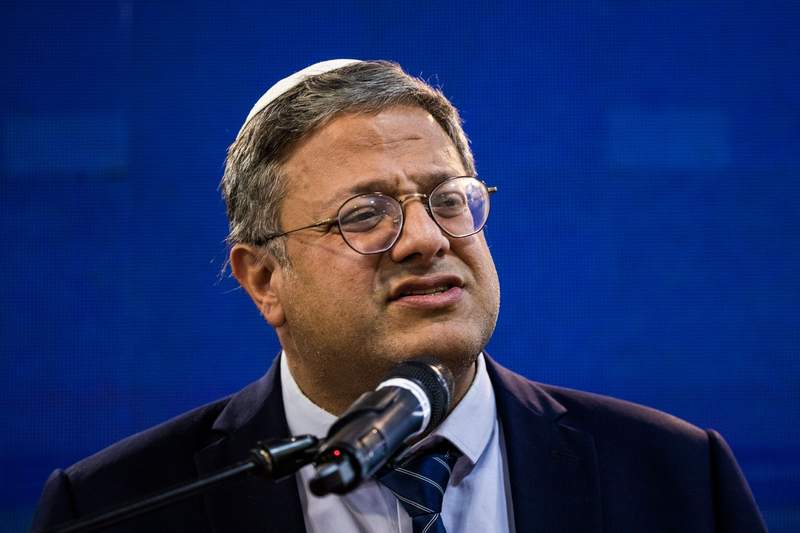
POLICY WIRE — London, UK — It isn’t every day you see Britain’s usually staid diplomatic machinery crank into such conspicuous action. But the optics were just too glaring, the message too unvarnished. What had begun as an online flex — a short, highly-charged video featuring Israel’s firebrand National Security Minister Itamar Ben-Gvir — landed with the thud of a full-blown diplomatic grenade on London’s doorstep. It prompted a swift and unequivocal summons for Israel’s top diplomat, effectively calling Jerusalem to account for the digital antics of one of its most contentious figures.
The alleged incendiary content, sources suggest, showed Ben-Gvir in what was described as a triumphalist light, making bold pronouncements about Israeli sovereignty over all ‘disputed’ territories and seemingly dismissing Palestinian claims with a dismissive wave. The specific video hasn’t been widely detailed by the Foreign, Commonwealth & Development Office (FCDO), keeping its contents just ambiguous enough to fuel outrage without providing new ammunition to its creator. But its essence, as widely understood, flew in the face of long-standing British foreign policy, specifically regarding a two-state solution.
And that’s why the UK ambassador, who technically holds the higher rank, found herself sitting in the FCDO’s grand offices for a stiff dressing down. No doubt the carpet didn’t wear out, but the message certainly stung. It wasn’t merely a private chat, either; this was a formal summoning, a potent signal in the diplomatic playbook that says, “We’re not happy. Not one bit.”
“We’ve conveyed in no uncertain terms our profound concern regarding the content of this video,” stated Sir Geoffrey Donaldson, Political Director at the Foreign, Commonwealth & Development Office, in a rare off-the-record comment to Policy Wire. “Statements like this only serve to further inflame an already volatile situation, making the path to any lasting peace undeniably tougher.” His words didn’t mince anything. Because, let’s face it, peace in the region? That’s always a tough sell, but Ben-Gvir doesn’t exactly make it easier.
From Jerusalem, the pushback was predictable, if a little tired. “Minister Ben-Gvir articulates the legitimate security concerns of the Israeli populace and their unwavering connection to the entirety of our homeland,” retorted Eylon Levy, a known Israeli government spokesperson, defending the minister’s public stance. “Any interpretation otherwise, or an attempt to silence the democratic voice of Israel’s elected officials, fundamentally misunderstands our reality and our unwavering commitment to defending our citizens against those who seek to harm us.” It’s a well-worn argument, one often trotted out when international critics come calling. You can almost hear the eye-rolls in Whitehall.
The episode isn’t an isolated flare-up; it’s a symptom of deeper geopolitical friction. Consider this: The United Nations Office for the Coordination of Humanitarian Affairs (OCHA) reported a 75% increase in Palestinian displacement incidents due to settler violence and demolitions in the West Bank between October 2023 and March 2024. That’s a stark figure. And it’s an undeniable exacerbation of tensions Minister Ben-Gvir’s rhetoric often plays directly into.
Across the Muslim world, this sort of bravado from Israeli officials doesn’t just register as bad optics; it galvanizes public opinion, fueling sentiments already running high after months of intense conflict. In Islamabad, Karachi, Cairo, and Jakarta, the perceived slight isn’t merely against Palestinians; it’s an affront to Muslim sensibilities. Many governments in these regions, already under immense public pressure, are then forced to harden their own stances. It sets off a ripple effect, exacerbating Europe’s frayed nerves, complicating aid efforts, and making diplomacy for groups trying to address concerns like Gaza’s humanitarian maze exponentially more complex.
What This Means
The diplomatic dressing-down in London isn’t just about a single video; it reflects a burgeoning exasperation among Western allies with certain elements within Israel’s current governing coalition. It’s becoming clear they’ve reached a breaking point with what they see as unilateral actions and inflammatory rhetoric that undermines efforts towards de-escalation and a long-term resolution.
For Britain, navigating this minefield is especially thorny. They want to maintain their strategic alliance with Israel but can’t appear to condone policies or statements that clash so dramatically with international law and established peace frameworks. This delicate balancing act affects everything, from trade deals to intelligence sharing, right down to their credibility on the global stage. Allowing such provocations to go unchecked isn’t an option. It erodes their moral authority, particularly with countries in the Arab — and Muslim world. Don’t expect a sudden policy shift, but do expect more behind-the-scenes pressure. They’ll keep calling diplomats in, whispering threats — and warnings, hoping something sticks. But sometimes, when it comes to Ben-Gvir, it seems diplomacy itself might be yelling into the wind.