


Desert Calm, Global Storm: New Mexico’s Serene Weekend Forecast Belies Deeper Anxieties
POLICY WIRE — ALBUQUERQUE, N.M. — The high-pressure system settling over New Mexico this Memorial Day weekend? Sounds innocent enough, doesn’t it? A chance for folks to fire up the barbecue,...

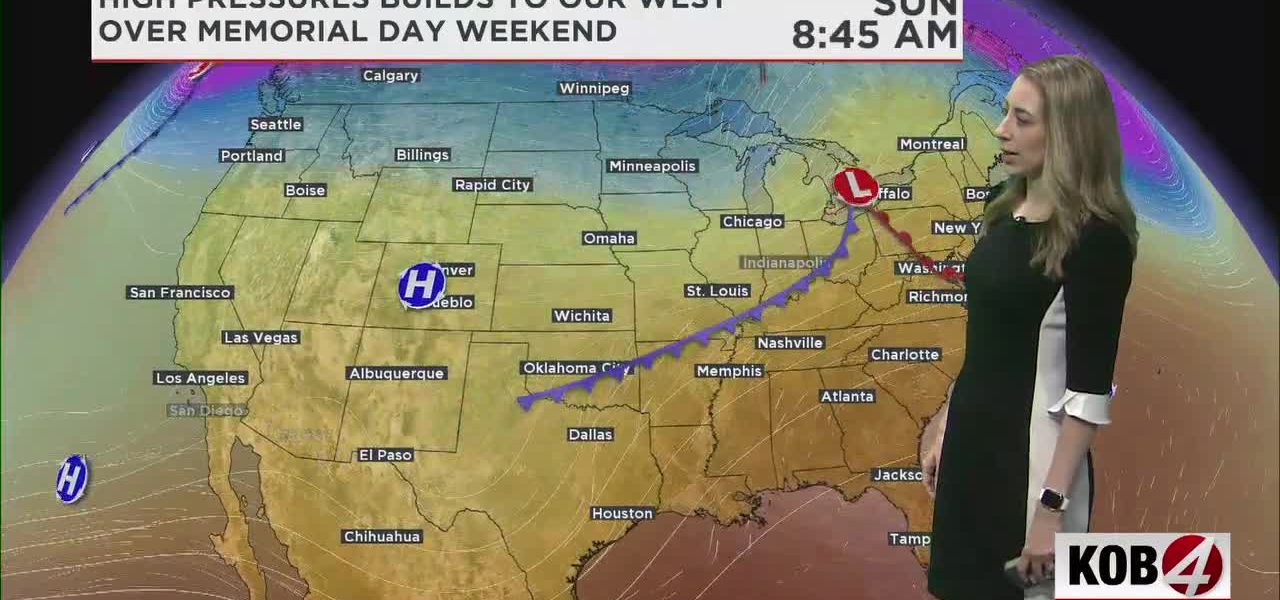
POLICY WIRE — ALBUQUERQUE, N.M. — The high-pressure system settling over New Mexico this Memorial Day weekend? Sounds innocent enough, doesn’t it? A chance for folks to fire up the barbecue, maybe catch a little sun. But scratch beneath that sun-baked surface, and you’ll find more than just rising temperatures—you’ll uncover a simmering mix of environmental strain, economic jitters, and a gnawing sense of what’s to come, echoes of which reverberate halfway around the globe.
Forecasters are promising a dry-ish, warm stretch, temperatures climbing well into the 80s for most of the Land of Enchantment. Good for the tourism brochures, perhaps, but a sustained drying trend, even with the occasional shower in Eastern New Mexico (don’t count on much in the metro, though, it’s mostly just heat over here), paints a grim, longer-term picture for a state that literally defines itself by its aridity. It’s not just about sunscreen and pool parties; it’s about water tables, agricultural viability, and a persistent, dry whisper of crisis that’s getting harder to ignore.
Dr. Evelyn Reed, Bernalillo County’s forthright Public Health Director, didn’t mince words during a recent press briefing. “Look, people think heat strokes are just for endurance athletes,” she told Policy Wire, her voice sharp with experience. “They’re not. They’re for the elderly. They’re for our outdoor workers—especially in areas without proper shade or hydration infrastructure. We’re seeing a steady creep in heat-related emergency room visits, — and it isn’t getting better. This weekend might feel like a holiday, but it’s another data point in a worrying trend for public health.” Reed’s team has already activated its awareness campaign, warning folks about staying hydrated, but she knows full well that public messaging can only do so much against an unforgiving sun.
And because these weather patterns are rarely just isolated events, a conversation about New Mexico’s summer heat can’t happen without looking at the bigger, global thermostat. What’s happening here—the protracted warmth, the scarcity of serious rainfall—it’s not unique. Far from it. Across the subcontinent, countries like Pakistan are already grappling with what sustained, extreme heat means for millions of lives, for agricultural output, and for social stability. They’ve seen average summer temperatures soar past comfort, past survivability even, leading to devastating impacts on harvests and massive internal displacement. The stakes are profoundly different, yes, but the atmospheric drivers, the high-pressure systems stubbornly hugging regions, bear an uncanny resemblance across latitudes.
This isn’t mere conjecture; it’s documented fact. According to the National Oceanic and Atmospheric Administration (NOAA), average summer temperatures in the Southwest have climbed by nearly 2 degrees Fahrenheit since the 1970s—a seemingly small increment that’s causing big headaches in a region already teetering on the edge of water security. So, while Albuquerque’s temperatures tick into the high 80s, folks in Punjab, Pakistan, are likely staring down thermometers breaking 115 degrees Fahrenheit, a daily reality that makes a few pleasant desert days here seem like a distant dream. But they’re both feeling the heat, aren’t they?
“Tourists want sun. We get it. We *are* the sun,” quipped State Representative Ben Carter, a Democrat from Albuquerque, a man known for his folksy charm mixed with pragmatic politics. “But behind the tourism dollars is a very real strain on resources. We’ve gotta balance immediate economic gain with long-term ecological solvency, — and that’s not always easy. Every dry spell, every mild winter, it shifts the ground underneath our feet—literally. It’s about getting ahead of this, building resilience. It’s a multi-faceted problem, one we simply can’t just wish away. You can’t make it rain by legislative fiat, you know.”
What This Means
The seemingly benign weather report—high pressure bringing warmer temperatures—serves as a subtle, yet stark, reminder of New Mexico’s evolving climate reality and the broader challenges facing arid regions globally. Politically, the implications are considerable: water conservation efforts become less about good citizenship and more about sheer survival, intensifying already fraught debates between urban, agricultural, and industrial stakeholders. State budgets will increasingly need to funnel resources into infrastructure capable of withstanding prolonged heat and mitigating the health impacts on vulnerable populations. Economically, while a sunny holiday weekend might boost short-term tourism, the long-term trend of escalating temperatures poses a genuine threat to key sectors like agriculture and potentially shifts demographics as the desirability of managing life in hotter climates comes into question. Investment in sustainable practices and renewable energy isn’t just environmental policy; it’s becoming core economic planning. This isn’t a one-off summer scare, it’s the new baseline—a new normal that forces difficult choices. This situation echoes other economies bracing for weather-related upheaval, making discussions about “lost summers” a universal lament.
But there’s another, often unspoken, dimension to this. When regions like New Mexico face creeping desertification and water scarcity, it connects them—often uncomfortably—to places like Pakistan, parts of Central Asia, or the Maghreb. Shared environmental challenges could, theoretically, foster shared solutions. Or, just as likely, they could fuel isolationist policies as nations batten down the hatches, trying to secure finite resources for their own populations first. The choices made by policymakers in Albuquerque concerning their summer water budget aren’t in a vacuum. They’re part of a much larger, increasingly complex global climate equation. You see, the pressure building isn’t just meteorological.