


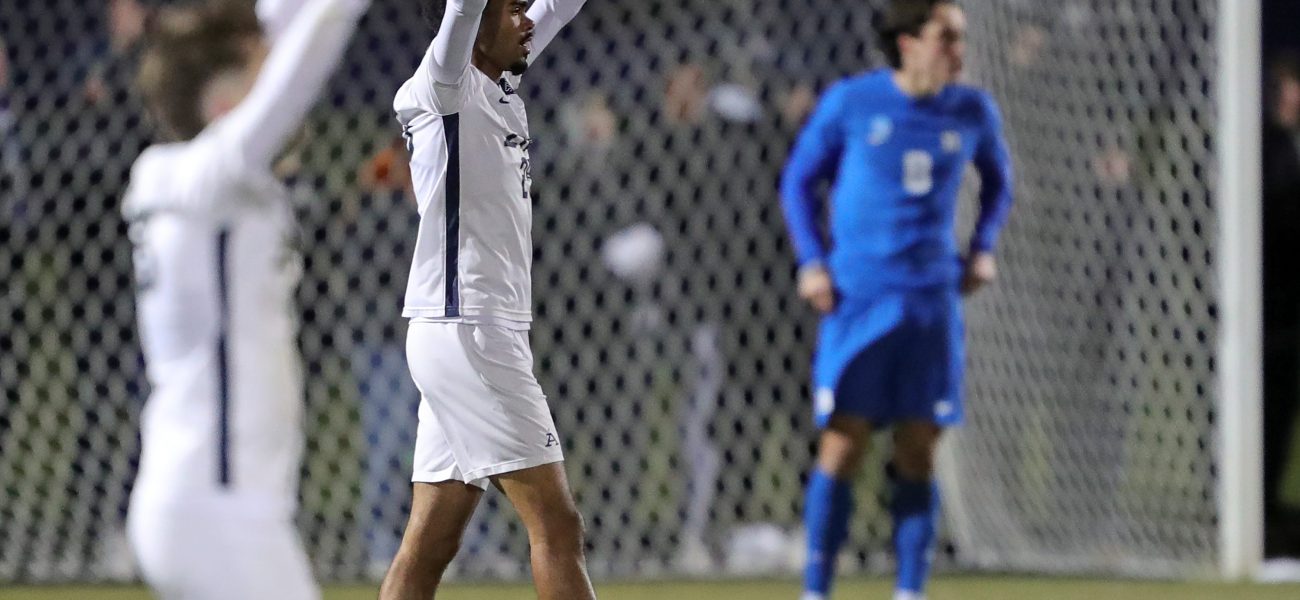
NCAA’s Midfield Maneuver: Why a Split Soccer Season Is About More Than Just Games
POLICY WIRE — Akron, USA — For years, it’s been a quiet, almost resigned lament within the cloistered world of collegiate soccer: the sheer, brutal grind of cramming an entire competitive season into...

POLICY WIRE — Akron, USA — For years, it’s been a quiet, almost resigned lament within the cloistered world of collegiate soccer: the sheer, brutal grind of cramming an entire competitive season into a few intense months. Athletes, often just teenagers, shoulder immense physical and mental burdens, navigating academic demands alongside a relentlessly packed game schedule. But whispers have turned to tangible action, and the bureaucratic gears of the National Collegiate Athletic Association (NCAA) are, for once, turning towards player welfare over tradition.
It’s not just a tweak; it’s a wholesale re-imagining. An NCAA Division I oversight committee recently pushed forward legislation that would shatter the single-semester men’s soccer season, opting instead for a two-semester split. If greenlit by the Division I Cabinet this June, expect to see the change hit pitches by August 1, 2027. This isn’t a matter of convenience. It’s a systemic recalibration, one that’s got coaches cautiously optimistic and cynics wondering about the unforeseen ripples.
“Look, nobody signed up to be broken, physically or mentally,” said Akron Zips Head Coach Jared Embick, a prominent advocate for the reform. “We’ve been running these kids ragged, forcing them into a developmental funnel that, frankly, doesn’t make sense for long-term health or academic performance. It’s not sustainable.” And Embick knows the score. His Zips, during one recent season, battled through 21 matches in a mere 101 days, a pace that often meant less than five days between high-stakes contests. That’s an average, folks. Imagine the toll.
But the pressure isn’t just about physical fatigue. Because for young players, every bad game—every error, every missed opportunity—doesn’t just vanish into thin air. “These kids aren’t pros, so the ability to turn off a bad game isn’t there,” Embick continued, his voice tinged with the frustration of experience. “If you have six days to learn from it and move on…their whole mental health changes.” It’s about mental fortitude, yes, but also about giving athletes the space to build it without crashing and burning. Add exams, papers, — and the general collegiate chaos to that equation, and you’ve got a recipe for burnout.
The proposed format retains the 25-game limit, mind you. But it wisely divvies up the action: a maximum of 18 games in the fall (late August to pre-Thanksgiving) and up to 10 in the spring, kicking off mid-February. It’s a calculated slowdown. And the long-term thinking? Aligning college ball with Major League Soccer’s SuperDraft calendar, creating a more cohesive, less jarring pathway for aspiring pros. It also drastically reduces the chaos of the transfer portal, funneling a current two-window free-for-all into a single 15-day period post-championship. Fewer distractions for student-athletes. Fewer headaches for coaches.
The global game, particularly in regions where academic and athletic pathways intersect less smoothly, watches these U.S. shifts closely. Think of aspiring footballers in Pakistan, for example, who might traditionally eye European academies but also recognize the unparalleled educational opportunities in America. This two-semester model could make the U.S. college route far more appealing—a less jarring transition, a more stable environment for development. It could offer a crucial, balanced alternative to the often ruthless, make-or-break youth systems abroad.
📄 POLICY WIRE WHITEPAPER PUBLISHED: PAKISTAN'S NATIONAL SECURITY POLICY PRIORITIES
👉 READ BY CLICKING HEREStill, no reform comes without its price tags. Recruiting becomes a different beast, for one. Instead of traditional headline events, spring games now take precedence, potentially pulling coaches off the recruiting trail, maybe even requiring an international scout to be sacrificed. “Some of that we’ve got to just kind of feel out,” Embick admits. “As a player and coach, trying to get guys to train when their next real competitive matches in August—it has always been difficult. Now, with a championship in May, that’s different. I like the theory.”
For those holding the purse strings at the NCAA, the calculus runs a bit differently, though. “This initiative reflects our ongoing commitment to athlete welfare — and development,” intoned Dr. Eleanor Vance, a senior NCAA Academic & Athletic Standards official, in a recent, rather generic statement. “We continuously assess frameworks to ensure collegiate sports serve the best interests of our student-athletes, balancing competitive demands with academic excellence and personal growth.” It’s bureaucratic speak, but behind it lies an acknowledgment: the old way was wearing everyone thin. The financial implications are complex, affecting everything from travel budgets to booster engagement, but the overall bet is on long-term sustainability and attracting top talent globally, making U.S. collegiate sports a viable — and desirable — stepping stone.
What This Means
This isn’t just about rearranging a sports calendar; it’s a policy decision that speaks volumes about the NCAA’s evolving priorities. Historically, amateurism rules often felt like a blunt instrument, and player welfare a secondary consideration to broadcast deals and tournament revenue. This proposed split season signals a pragmatic shift, an attempt to retain credibility in a rapidly professionalizing landscape.
Economically, expect initial adjustments in athletic department budgets, particularly around travel and staffing for the extended season. However, the long-term gain could be significant: better player retention, fewer transfers (meaning more stable rosters, which pleases fans and coaches alike), and a more attractive product for international recruitment. It professionalizes college soccer, aligning it closer to the MLS pathway — and creating a clearer development pipeline. Politically, it’s a concession to coaches and athletes who’ve long agitated for change, potentially defusing some of the criticism leveled at the NCAA for its perceived indifference to player strains. It’s a delicate balancing act, sure, but one that promises — perhaps for the first time in a while — to put the students, quite literally, first.