


New Mexico’s Unclaimed Souls: A Neglected Barometer of State Strain
POLICY WIRE — Albuquerque, N.M. — In the stark, sun-baked landscape of New Mexico, where vast stretches of high desert meet the quiet pulse of small-town life, something less photogenic simmers just...

POLICY WIRE — Albuquerque, N.M. — In the stark, sun-baked landscape of New Mexico, where vast stretches of high desert meet the quiet pulse of small-town life, something less photogenic simmers just beneath the surface. It’s not another political scuffle in Santa Fe or a new skirmish over water rights. Instead, it’s the overflowing kennels and the quiet, yearning eyes of thousands of forgotten creatures, each one a stark indicator of shifting human priorities and the economic anxieties biting deep into communities across the state.
Nobody queues up a headline about abandoned dogs, not usually. Not when there’s always something grander, louder, more “consequential” in the nation’s news cycle. But here’s the rub: how a society treats its most vulnerable, its utterly dependent, says more about its collective health than any stock market ticker. New Mexico, a state often battling high poverty rates and limited resources, isn’t just seeing a pet problem; it’s wrestling with the silent echoes of families strained to their breaking point. Because, frankly, a surging number of abandoned pets isn’t an isolated incident; it’s a byproduct of harder times, a kind of canary in the coal mine for human distress.
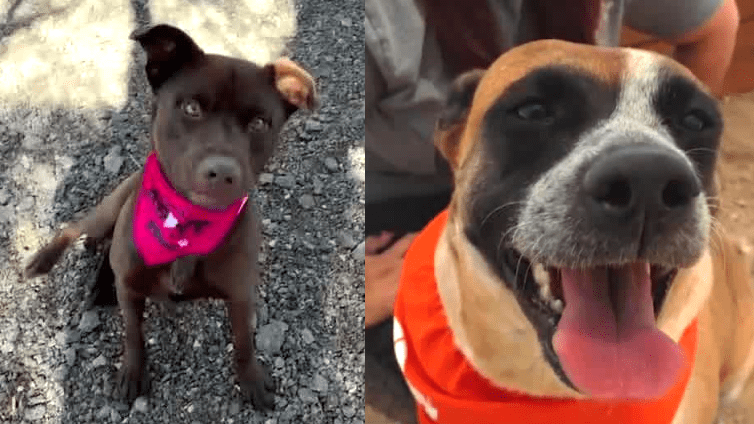
Consider the recent, subdued plea from local animal services. There’s Mousse, for instance. A Lincoln County boy, supposedly a “sweetheart” with a knack for tricks, he’s currently navigating the impersonal confines of the Lincoln County Humane Society in Ruidoso. Then there’s Jennie, wasting away over 100 days at the Bernalillo County Animal Care and Resource Center on 2nd Street. She’s affectionate, good with other dogs, but she’s just—there. It’s a common story these days, unfortunately, repeated with tragic frequency from Clovis to Farmington.
But how many Jennies — and Mousses can the system absorb? It’s a logistical nightmare, — and a humanitarian one too. Dr. Eleanor Vance, the seasoned Director of Operations at the Lincoln County Humane Society, doesn’t mince words. “We’re beyond capacity,” she stated in a recent conversation. “Our staff are emotionally and physically exhausted. Every surrender is a tiny heartbreak for us, but it’s often a desperation move for their previous owners. We’re seeing this reflect a genuine struggle in people’s lives — folks can’t afford rent, let alone vet bills or quality pet food.” Her voice carried the weight of too many difficult decisions, too many full shelters.
And she’s not alone in her assessment. Captain Roberto Mendoza, who oversees outreach programs for the Bernalillo County Animal Care and Resource Center, offered a more policy-focused view. “This isn’t just about space, it’s about civic responsibility,” he emphasized, outlining ongoing efforts to subsidize spaying and neutering programs. “We can’t adopt our way out of this if the tap of unwanted animals keeps running. It’s a public health issue, an economic drain, — and it absolutely reflects a breakdown in community engagement. People need to commit to these animals for life; it’s a social contract, not just a casual acquisition.”
It’s a phenomenon seen nationwide, sure, but exacerbated in regions with already stretched public services and quieter economies. A recent analysis from the American Pet Products Association suggests that nearly one in five U.S. households adopted a new pet during the pandemic, but post-pandemic, the realities of inflation and tight housing markets have reversed the trend, leading to a steep rise in surrenders. But this surge in animal neglect isn’t just an American anomaly; globally, the challenges of pet care mirror broader societal upheavals. Think about the humanitarian crises in regions like the Muslim world, where the displacement of millions inevitably means the silent abandonment of countless animal companions — pets left behind, stray populations ballooning in refugee camps, or during wartime. It’s a grim parallel, though a distant one, highlighting the fundamental truth that whenever human stability crumbles, so too does the fate of the creatures dependent on us.
What This Means
The silent crisis gripping New Mexico’s animal shelters carries significant political and economic ramifications. For starters, it’s a drain on municipal budgets, diverting funds that could otherwise go to human services. Law enforcement agencies frequently find themselves dealing with stray animals or cruelty cases, adding strain to their operational capacities. unchecked stray populations can pose public health risks, from disease transmission to traffic hazards. Politically, addressing this issue requires more than just animal welfare budgets; it demands a nuanced approach to housing affordability, unemployment, and accessible healthcare — because often, the same people struggling to feed their families are forced to give up a beloved pet. Ignoring the signs Mousse — and Jennie represent isn’t just unkind; it’s short-sighted. It signals a governmental blind spot, a failure to see the interconnectivity of seemingly disparate social woes. It means local leaders have to get serious about supporting community-based initiatives, like food banks for pets or expanded low-cost veterinary care. The alternative? An ever-worsening cycle that degrades the fabric of our communities, one forgotten tail wag at a time.
These animals aren’t just props for Instagram; they’re living beings reflecting the collective choices and circumstances of their human counterparts. It’s time for New Mexico — and other states facing similar plights — to understand that a robust animal welfare system isn’t a luxury. It’s a fundamental component of a truly healthy society.