


Ballots, Batting, and Battle Creek: A Microcosm of America’s Sporting Soul
POLICY WIRE — Battle Creek, Michigan — In an era obsessed with national narratives and geopolitical seismic shifts, a quiet, almost ritualistic drama unfolds each spring in towns like Battle Creek....

POLICY WIRE — Battle Creek, Michigan — In an era obsessed with national narratives and geopolitical seismic shifts, a quiet, almost ritualistic drama unfolds each spring in towns like Battle Creek. It isn’t about inflation figures or proxy wars. Instead, it’s a fierce, local electoral contest — fought not in congressional districts, but across high school diamond outfields, for the ephemeral crown of ‘Best Of Battle Creek.’ We’re talking high school baseball, folks. Specifically, who snagged the most online votes for being the best outfielder in the region.
It sounds quaint, doesn’t it? Yet, in this annual pageant of athletic prowess — and digital democracy, we catch a glimpse of something larger. It’s the raw, unfiltered human need to categorize, celebrate, — and invest in our immediate communities. The Battle Creek Enquirer has expanded its reach this year, asking coaches from a wider swathe of city and area teams to put forward their nominees. A tougher list to make, they’ve assured readers. And then, the masses, armed with internet access, cast their votes, determining whose local legend is etched into the digital annals for a week or so.
This isn’t merely about bragging rights, though those are certainly sweet for Blake Brown, Gull Lake’s junior slugger, who hit a remarkable .382 with six home runs and 24 RBIs. He’s also, let’s not forget, a Division I prospect on the mound when he’s not chasing fly balls—a dual threat that adds to the narrative cache. But it’s also about a deeply embedded cultural system, a decentralized economic engine powered by aspiration and hometown pride.
“These kinds of community initiatives are incredibly important,” stated Superintendent Eleanor Vance of the Battle Creek School District, a known advocate for holistic youth development. “They build character, sure, but more than that, they build a shared experience. They give young people something tangible to strive for — and a community to rally around. It’s what keeps towns vibrant, connecting generations through a love of sport.”
Because, make no mistake, this small-town contest is a training ground, not just for future athletes, but for citizens. The online polls, the carefully curated nominee profiles, the call to action for local readers – it mirrors the grander political spectacles playing out on cable news. Who can forget the perennial battles for local funding for sports programs, or the fierce lobbying efforts by parents for better facilities? Even the concept of an online poll deciding a player’s perceived value smacks of modern-day direct democracy, however small the stakes.
“We sometimes forget the economic impact of grassroots sports,” remarked Dale Kinsley, a Battle Creek City Council member with a focus on local business development. “Think about equipment sales, concessions, travel, local jobs—it all trickles up. These high school teams are the foundational block for later professional aspirations and, just as importantly, for community identity. People spend money, time, — and emotional capital on these teams. It’s a net positive, financially — and socially, for us as a region.”
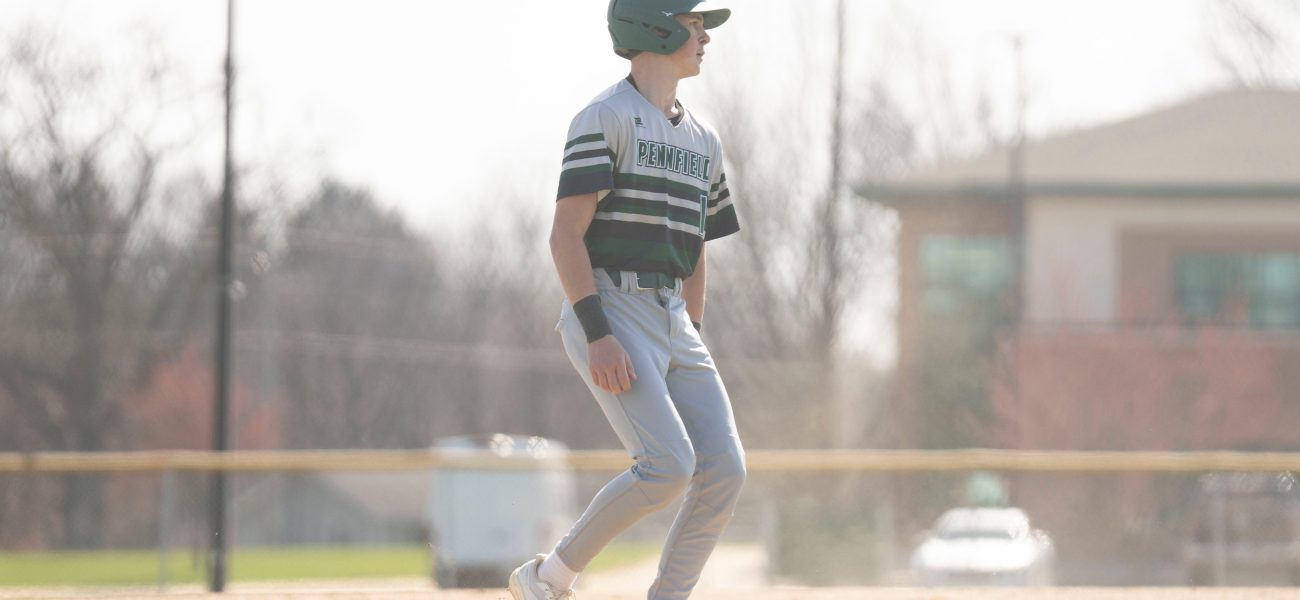
And consider the burst of digital chatter that erupts each time a new poll opens. The coaches – good, dedicated sorts – offer boilerplate praise for their stars: Kai Brown, with his exceptional .442 on-base percentage and flawless fielding; Brady Conley, who’s apparently played every position known to baseball and still managed to bat .338; Gavin Deal, Pennfield’s returner with an arm like a cannon; Mitchell Graham and Carson Liles from Union City, both hitting above .400 and racking up runs; Harper Creek’s Conor Rosenburg, already committed to play college ball; and Dalton Williams, the Colon sensation known for plays no one else can make. Each name represents hours of practice, parental sacrifice, — and coaching mentorship. It’s a system of developing talent and identity, mirroring, in its own way, the intensity of competitive ambition seen worldwide.
What This Means
The Battle Creek ‘Best Of’ series, while superficially a charming local tradition, actually encapsulates broader societal dynamics. On a political level, it’s a testament to the power of localized engagement—a reminder that despite the allure of national or even global events, many communities find their pulse in micro-level competition and collaborative spirit. This voting ritual strengthens local bonds and provides an entry point for younger citizens into participatory processes, albeit for a different kind of public office.
Economically, it underscores the often-unseen infrastructure of amateur sports. While no one’s getting rich directly off Battle Creek high school baseball, the collective activities—team travel, uniform purchases, concession stand revenues, and even the informal gathering spots before and after games—contribute meaningfully to local economies. These programs, frequently fueled by volunteers and local donations, act as soft economic stimuli, attracting disposable income and community loyalty.
For nations like Pakistan or those across South Asia, where cricket reigns supreme and national pride is intensely intertwined with sporting success, such grassroots systems hold different lessons. While Pakistan has its own robust, though often informal, youth sporting ecosystems—from street cricket to local clubs—the institutionalized, democratized structure of American high school sports, including the public’s voting participation, highlights a different model of talent identification and community building. Imagine if the national fervor for cricket in Pakistan was similarly channeled through localized, publicly voted ‘Best Of’ competitions that spanned every district; it would certainly intensify local pride, maybe even challenge traditional, top-down selections. Because ultimately, the desire to excel and be recognized—whether for a six-hitter in Michigan or a fast bowler in Karachi—is a universally potent force.
But this isn’t just an American phenomenon. The digital ballot box, for all its perceived flaws and vulnerabilities, has democratized decision-making at even the most granular levels, allowing collective will to elevate local heroes. It reflects how deep the drive to recognize and celebrate individual achievement runs within communities, and how accessible that process has become. These votes, ultimately, aren’t just for players; they’re for community spirit, for shared triumphs, and for the enduring narrative of hometown glory.