

Catalan Crossroads: Barcelona Grapples with Old Glory and New Money
POLICY WIRE — Barcelona, Spain — The scent of a long, sun-drenched season’s close usually brings with it a certain melancholic optimism, doesn’t it? But at FC Barcelona, that...

POLICY WIRE — Barcelona, Spain — The scent of a long, sun-drenched season’s close usually brings with it a certain melancholic optimism, doesn’t it? But at FC Barcelona, that scent—that romantic aroma of freshly cut grass on the hallowed grounds of the Ciutat Esportiva—is now laced with something sharper: the undeniable tang of petrodollars. Because while the club’s beleaguered men’s team shrugs off the lethargy of ‘earned rest’ to prep for a season finale, an entirely different battle plays out far from the pitch, in boardrooms where Saudi Arabian largesse looms large.
It’s a peculiar kind of global football we’re witnessing now, a constant tug-of-war between sporting legacy and raw financial muscle. Al-Hilal, an outfit from the Middle Eastern nation, isn’t just casually inquiring about João Cancelo; they’re “pressure testing” Barcelona with not one, but two offers for the defender, visibly annoyed at previous negotiations. And it’s not just Cancelo. Word is Al-Ittihad fancies Robert Lewandowski for their project, an alarming prospect should Morocco’s Youssef En-Nesyri exit. It’s brazen, it’s aggressive. But for European clubs, often perched precariously on the precipice of UEFA’s financial fair play rules, these overtures aren’t simply distant whispers; they’re a deafening siren song. “We must balance the undeniable legacy of this institution with the realities of modern football’s economic landscape,” Club President Joan Laporta reportedly told an internal committee, a sentiment echoing the precarious tightrope walk of many legacy clubs. “The temptation is real, but so is our commitment to our identity.”
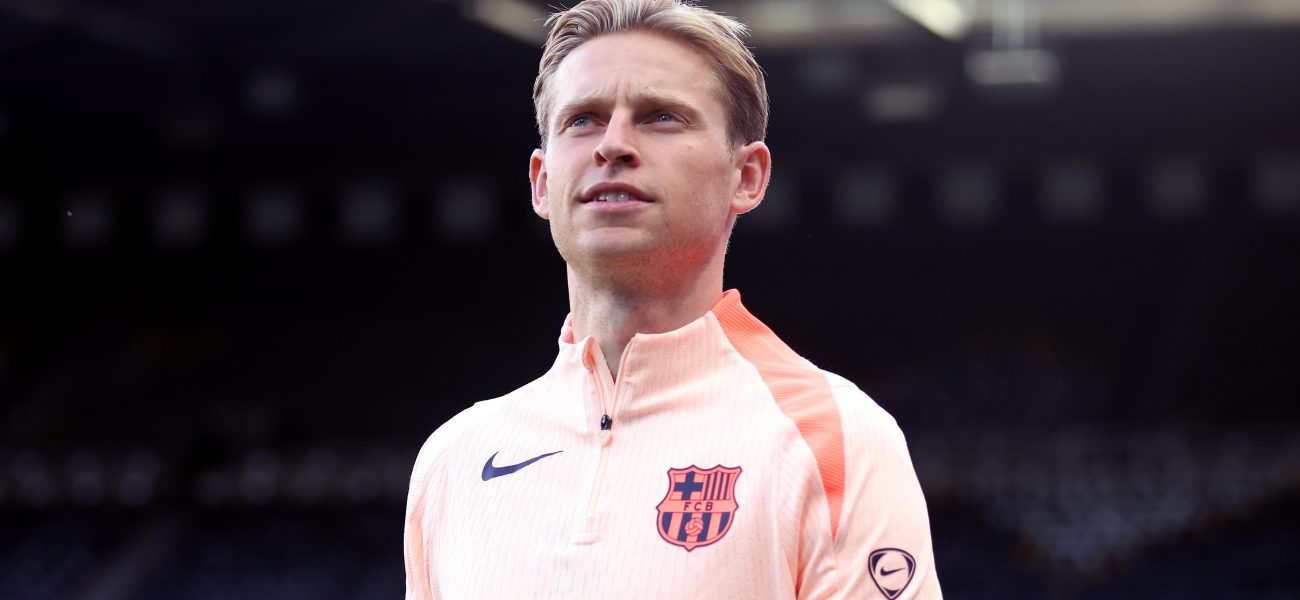
And speaking of identity, it’s getting tricky to define these days. Stephan Nopp, an analyst Flick specifically hired not so long ago in October 2024, is already out, citing “personal reasons.” This isn’t just a churn of personnel; it’s an early tremor from the new coaching regime, a ripple effect that suggests deeper instabilities. But what stability is there? Frenkie de Jong — and Ferran Torres, both shaking off discomfort, are rushing to be match-fit. Young midfielder Fermín is undergoing surgery, cruelly missing out on the World Cup, a blow he stoically labels “part of the journey” for him. Then there’s Marc-André ter Stegen, a “hot potato” with two years left on his deal, injured, and practically unmovable this summer. Good luck with that, Blaugrana.
Because ultimately, these financial battles and internal shuffling matter deeply, not just for the men’s team, but for the entire ecosystem. Consider the Women’s Champions League final, for instance. Their rise from a 2019 challenge against Olympique Lyonnais to their present stature, again facing Lyon in Oslo, is truly astounding. It’s a testament to sustained investment, thoughtful development, — and unwavering commitment. “We’re putting in the work, day in, day out,” defensive rock Mapi León declared, her voice firm amidst preparations. “Everything we achieve, we earn it, you know? So it’s about making sure that dedication translates when it counts.” Irene Paredes, another seasoned stalwart, currently training separately due to injury doubts, mirrors this professional resilience.
But the men’s squad—they’re looking a bit wobbly, aren’t they? Their final league game this weekend against Valencia at the Mestalla, for many, simply feels like wrapping up an obligation. It’s not a narrative about triumph but one about minimizing damage, steadying the ship before the rough seas of the transfer window. And it gets rougher every year. Reports from Soccernomics Monitor suggest that Saudi Pro League clubs collectively poured nearly €1.2 billion into player transfers last season alone, dwarfing many European league spends and accelerating the outflow of top talent from traditional European strongholds.
What This Means
This isn’t just Barcelona’s problem; it’s a bell tolling for traditional European football powerhouses. The Saudi ambition, part of a wider regional economic strategy (and let’s be honest, sportswashing) is fundamentally reshaping the market. Where once Barcelona, Real Madrid, or even Manchester United could command absolute loyalty or prices, now they contend with bottomless sovereign wealth funds that don’t operate on traditional profit-loss models. The ripple effects hit everywhere, even places like Pakistan or parts of Southeast Asia, where devoted fans have long followed European clubs. Their allegiances, once seemingly immutable, are now subject to the pull of new superstars landing in Riyadh or Jeddah. It changes the conversation around everything from youth development to scouting networks.
Hansi Flick, as the incoming coach, faces a particularly brutal baptism of fire. He’s trying to instil his own “methodology,” as one insider put it, “but every week brings a new fire to put out.” His ability to adapt, to build a competitive squad without selling the farm—or perhaps having the farm sold out from under him by Saudi interest—will define Barcelona’s next chapter. It’s a stark reminder that football isn’t merely a game; it’s a vast, interconnected economic and geopolitical arena, where a transfer rumor can echo louder than a trophy celebration.