


Digital Fame, Deadly Scorn: Pakistan’s Verdict on a TikTok Tragedy
POLICY WIRE — Islamabad, Pakistan — The glitzy, ephemeral world of viral dance routines and fleeting digital fame often seems miles away from the brutal realities of South Asian societal norms. But...

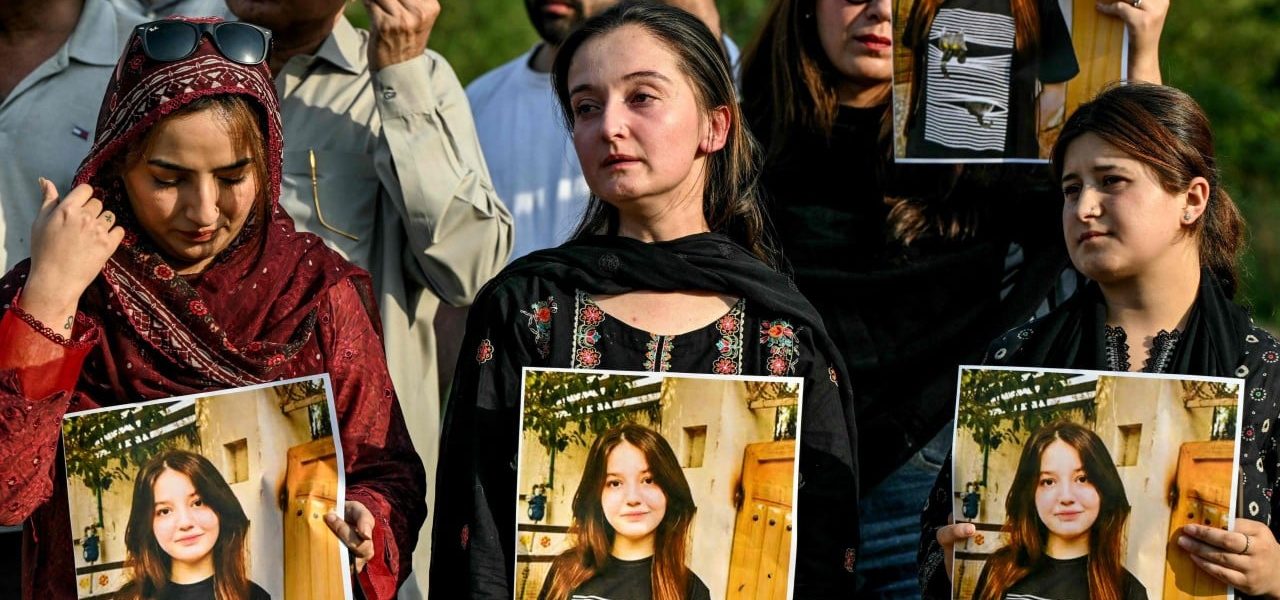
POLICY WIRE — Islamabad, Pakistan — The glitzy, ephemeral world of viral dance routines and fleeting digital fame often seems miles away from the brutal realities of South Asian societal norms. But sometimes, these two disparate universes collide with an unignorable, chilling violence. Such was the case with Sana Yousaf, a young woman whose online aspirations tragically ended in murder, forcing a nation—again—to confront its enduring struggles with gender, entitlement, and the profound cost of female autonomy.
It wasn’t the usual courtroom drama. No, it was a packed, hushed space in Islamabad, where the echoes of social media popularity and the screams of a heinous crime met their cold, bureaucratic fate. Umar Hayat, twenty-two, now faces the gallows. He’d allegedly hounded Sana, then taken her life last June after she repeatedly, explicitly, turned him down. For that, a judge this week delivered a death sentence and tacked on a $7,200 fine—a paltry sum, some might say, for extinguishing a life and leaving a chasm of grief, but perhaps significant for a man whose rage cost him everything.
The original news snippet of Sana’s death had exploded across Pakistan, as these things do. There was condemnation, yes, from those who champion women’s rights, from politicians making the right noises. But then, almost immediately, a darker current emerged online, victim-blaming, the familiar whisper campaign that asks, ‘What was she wearing? What was she doing out? What kind of girl makes TikTok videos anyway?’ It’s a grotesque dance, isn’t it? One where public outrage wrestles with deeply ingrained misogyny.
And here’s the grim tally: Human rights organizations like the Aurat Foundation routinely report that over a thousand women each year fall victim to so-called ‘honor killings’ in Pakistan, with countless more experiencing other brutal forms of gender-based violence, often underreported or excused within family circles. This isn’t just about one man’s abhorrent act; it’s a symptom, a stark, inconvenient truth of a larger societal ailment. And it points directly to the challenges faced by any woman, particularly those in the public eye, navigating a world where their bodies and choices are still, by too many, considered communal property.
But the court’s verdict? It does offer a sliver of something, doesn’t it? A semblance of justice for Sana, perhaps a momentary tremor in the calcified foundations of patriarchal dominance. For countless young women across Pakistan, and indeed the broader South Asian landscape where traditional values often butt heads with emerging freedoms – as seen in struggles for basic dignity often stretching to the very question of survival in neighboring regions – online platforms offer a tantalizing, albeit treacherous, path to agency. To speak, to dance, to exist visibly. Yet, with that visibility often comes an exposure to peril.
“This judgment, while significant, isn’t a silver bullet,” noted Rubina Khan, a prominent Islamabad-based women’s rights attorney, speaking off the record but with palpable conviction. “We’ve got to dismantle the very mindsets that make these atrocities possible in the first place. You can sentence a man, but you’re not sentencing the culture that bred him.” It’s a sentiment many activists echo; legal redress, while necessary, is but one piece of an enormously complex puzzle.
And because the legal system operates in the public domain, the messaging matters. “Our legal framework exists to protect every citizen,” stated Interior Minister Rana Sanaullah, his words delivered with customary gravity to the state broadcaster. “And today, it delivered justice for Sana Yousaf. But the government acknowledges the ongoing challenge of gender-based violence—it’s a stain we’re determined to scrub clean.” Whether that determination translates into meaningful policy shifts, beyond punitive measures, remains a critical question.
What This Means
The ramifications of this verdict extend beyond the immediate closure it offers Sana Yousaf’s grieving family. Politically, it’s a tightrope walk for the ruling elite. On one hand, securing a conviction and death sentence projects an image of a functional, decisive judiciary committed to law and order—an increasingly valued perception amidst perennial governance criticisms. It might, perhaps, appease a segment of the public demanding harsh retribution for what they perceive as moral decay linked to modern media. Economically, such high-profile cases, especially those touching on social media use, can inadvertently influence investment flows, signaling either stability or lingering societal tensions to international observers. Don’t underestimate how closely foreign entities monitor social cohesion.
But more subtly, this case has peeled back layers on a simmering societal fault line. It highlights the deeply conservative resistance to female public presence — and economic independence in some quarters. When a young woman, however innocuously, seeks recognition through digital platforms, she isn’t just seeking likes; she’s subtly challenging long-held patriarchal structures. This creates friction, — and sometimes, tragic flashpoints. The legal system, while dispensing individual justice, can’t legislate acceptance or cultural evolution. That’s a far slower, more organic—and often painful—process playing out across households and streets in Pakistan. It forces a discussion, perhaps begrudgingly, about evolving gender roles in a nation where tradition and technology now clash with deadly regularity.