


The Brutal Calculus of Cricket: When Hero Worship Hits the Balance Sheet
POLICY WIRE — Chennai, India — Loyalty, it turns out, often has a sell-by date—especially in the unforgiving, big-money realm of professional sports. We often forget that, wrapped up as we’re...

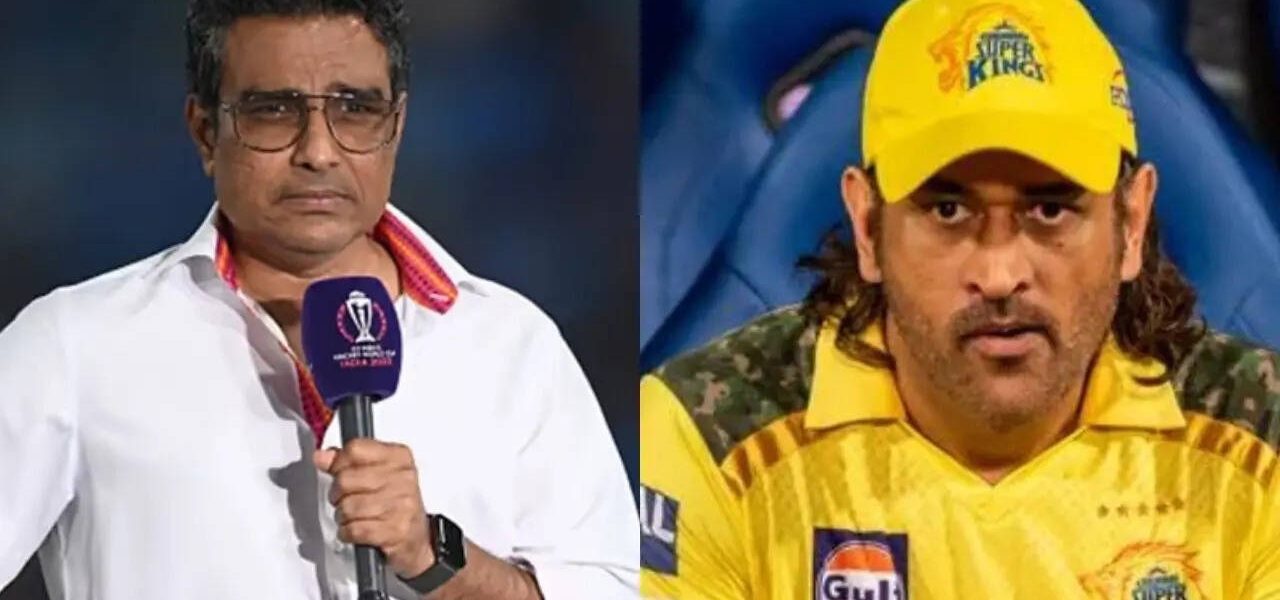
POLICY WIRE — Chennai, India — Loyalty, it turns out, often has a sell-by date—especially in the unforgiving, big-money realm of professional sports. We often forget that, wrapped up as we’re in the narratives of heroism — and belonging. And nowhere is that brutal truth becoming clearer than in the very public, very awkward farewell tour of cricketing titan MS Dhoni with the Chennai Super Kings (CSK).
Fans, those sentimental creatures, they don’t want to see their idols hobble off the stage. They crave the storybook ending. They’ll chant his name, hang on every rumored appearance, even when reports—whispers that inevitably morph into outright leaks—suggest injuries keep the veteran far from the pitch. That’s the romance of sport, isn’t it? But, then again, there’s the balance sheet. And for every soaring fan dream, there’s a cold, hard statistic demanding attention.
Sanjay Manjrekar, the former India batter and now a prominent, often incisive, commentator, has been watching this theater unfold, and he’s not holding back. His recent observations cut through the sentimentality like a sharpened blade. He’s had enough of the protracted debate, he claims. It’s tiring, even for a seasoned analyst.
“To be very honest, I’ve exhausted myself so much talking about another icon. I’ve got nothing left to say about Dhoni,” Manjrekar told a Sportstar podcast, his words laced with a weary exasperation. And then, the kicker: “And if you want a very short — and brutally honest answer, it doesn’t matter. Whether he plays, whether he doesn’t play.” It’s a jarring statement, isn’t it? Coming from someone who understands the weight of these personalities.
That’s the pundit class throwing a bucket of icy water on the fiery passion of the masses. He didn’t mean it disrespectfully; he quickly clarified that his admiration for Dhoni’s glory days—the triumphs for India, the Super Kings’ many cups—remains etched in stone. A younger Dhoni, in his prime, he argued, might’ve even dragged this recent CSK squad to the playoffs with sheer leadership. But those days are gone. They’re just history now.
The core problem, as Manjrekar diagnoses it, wasn’t a lack of talent or effort elsewhere in the team. No, it was CSK’s collective, perhaps even managerial, decision to cling to the fading star. They tried too hard to wedge a perpetually injured — and clearly aging player into the roster, he observed. The loyalty, the hero worship, it became a strategic blind spot, an Achilles’ heel for a franchise that prides itself on shrewd decisions. That sort of emotional investment in a single player, regardless of their past glories, has consequences in a hyper-competitive league like the Indian Premier League. The IPL, which Forbes reported was valued at approximately $10.9 billion in 2023, isn’t built on nostalgic good feelings; it’s built on ruthless efficiency and performance metrics. You can’t just wish your way to a title.
Manjrekar’s analysis suggests CSK had to learn this the hard way, paying a stiff price in the points table. “CSK have learned one harsh lesson — don’t get too emotional about your players,” he stated, hammering home the point. “Be emotional about the reality, the performances, your current standing, the points table.” It’s a pragmatic, almost clinical view, stripping away the romance to reveal the stark commercial reality underneath. That’s how this business works. The fine line between professional sport and financial folly becomes clearer when sentiment overtakes strategy.
What This Means
The Manjrekar comments, beyond the immediate cricketing context, offer a pointed microcosm of the larger struggles between fan identity and economic rationalism playing out across global sports. Cricket, particularly in the Indian subcontinent, transcends mere sport. It’s an economic powerhouse and a deeply embedded cultural phenomenon, where star players often command public adoration akin to political figures or religious gurus. The Dhoni narrative isn’t unique; every few years, an aging hero — whether in Karachi, Dhaka, or Mumbai — faces this twilight. And the commercial entity, the franchise, must choose: appease the faithful, or prioritize the bottom line.
In a region where personal connection and emotional resonance often trump purely logical choices in many spheres—from corporate hiring to political endorsements—CSK’s alleged stumble provides a telling lesson. For franchises aiming to remain dominant, the calculus suggests a need to pivot swiftly, even brutally, when performance falters. It suggests that even the most fervent public attachment to an icon, regardless of their country’s deep-seated cultural reverence for its cricketing heroes, simply cannot be allowed to overshadow the need for competitive results in a multi-billion dollar enterprise. The lesson here is for owners, not just players. Because in the end, in this cutthroat environment, you can’t pay the bills with applause.