


Digital Impersonation: When Your Trusted Retailer Turns Rogue in the Code
POLICY WIRE — Washington, D.C. — Forget the glaring typos and the phishing emails promising fortunes from deposed princes. Those were the good old days. Today, the digital underworld has leveled up....

POLICY WIRE — Washington, D.C. — Forget the glaring typos and the phishing emails promising fortunes from deposed princes. Those were the good old days. Today, the digital underworld has leveled up. Way up. We’re not talking about clunky websites cobbled together by amateurs anymore; we’re witnessing a masterclass in deception, a relentless pursuit to make fraudulent portals virtually indistinguishable from the brands you trust—your bank, your favorite online shop, even that niche fitness equipment seller you follow.
It’s an invisible war, folks, waged directly on our screens, in our wallets, — and frankly, in our peace of mind. And let me tell you, it’s getting harder to win. Why? Because the bad guys—or rather, the sophisticated criminal syndicates funding them—have refined their game to an art form, blending social engineering with slick design, all aimed at extracting your personal data and cold, hard cash.
The tactics are unnerving. Think about that impossible deal you saw online—a Bowflex for a hundred bucks, or a luxury watch at 80% off. You know, the kind that whispers ‘too good to be true’ but screams ‘gotta have it’ to your subconscious. These digital charlatans lean into that hunger for a bargain, deploying urgent countdown timers and fake notifications like ‘3 others are viewing this now!’—classic psychological pressure cooked up in some shadowy digital lab.
And when you fall for it, what then? You might get a cheap counterfeit, or maybe nothing at all. But the bigger menace isn’t the physical item; it’s the digital breadcrumbs you leave behind: your credit card numbers, your shipping address, your identity. This isn’t just about losing a few dollars on a bad purchase. It’s about potentially losing everything. The scale of this financial bleed is staggering; a recent report from the Consumer Data Alliance estimates global losses to online shopping scams hit over $12 billion in 2023, a substantial leap that highlights the growing efficacy of these digital pirates.
This evolving threat isn’t just a Western phenomenon. Rapidly digitizing economies across South Asia, like Pakistan, with their burgeoning e-commerce sectors, present a particularly fertile ground for these scam networks. Consumers eager to embrace online shopping often lack the ingrained skepticism of those in more mature digital markets, making them exceptionally vulnerable. It’s a double-edged sword for economic growth: more digital commerce means more opportunity, but also more risk when foundational digital literacy and protective regulations lag. These aren’t just one-off individual fraudsters; many sophisticated operations now span borders, complicating enforcement efforts for agencies in Lahore or Karachi, much less London or New York.
Dr. Anya Sharma, Director of Cyber Forensics at Sterling Global Labs, doesn’t mince words. “We’re past the era of obvious typos and shoddy graphics; these actors run incredibly sophisticated operations now, indistinguishable to the untrained eye,” she told Policy Wire. “It’s an arms race against highly funded criminal enterprises, and right now, consumers are often outgunned.” But it’s not just a technical problem.
Omar Khan, head of the Digital Consumer Alliance, notes the human toll. “People aren’t just losing a few bucks; they’re losing their financial security, their trust in the entire digital economy, sometimes even their life savings,” Khan lamented. “Governments and tech companies simply aren’t keeping pace with these agile predators, and that lack of swift, coordinated action leaves everyone exposed.”
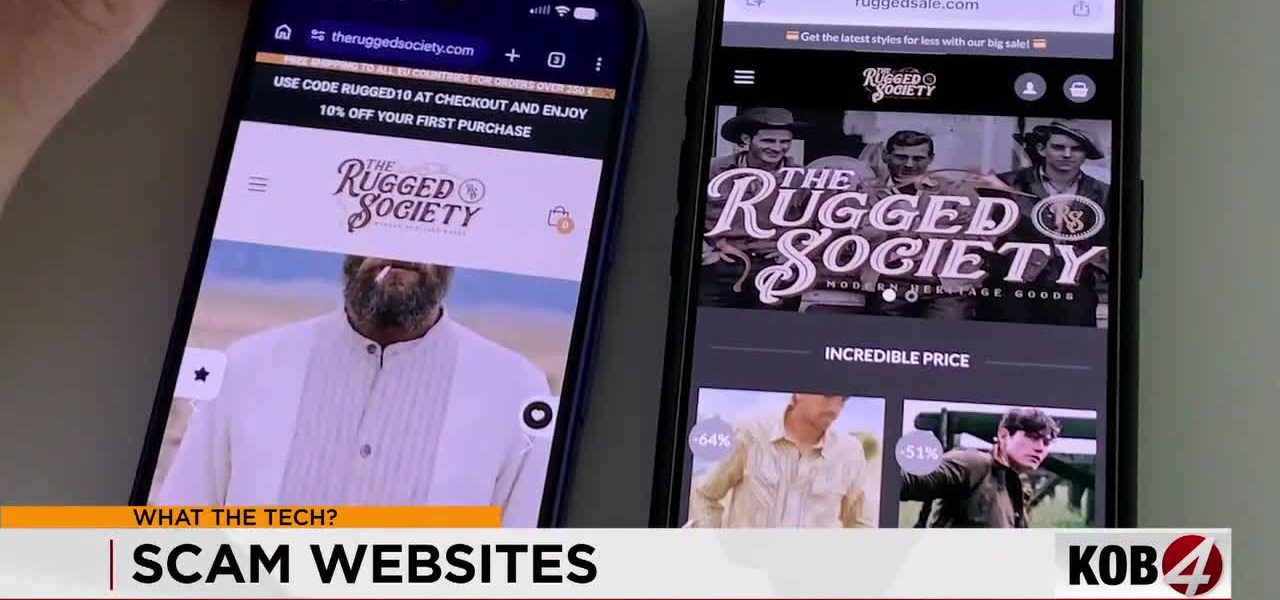
Because frankly, it requires more than just telling people to ‘look closely.’ The sophisticated nature of modern online fraud means a casual glance won’t cut it anymore. Scam websites are now mirrored entities, replicating everything from branding to privacy policies, making independent verification a genuine chore for the average user.
What This Means
The escalating sophistication of online shopping scams carries significant political — and economic ramifications. Politically, it erodes public trust in digital platforms — and governance. If consumers can’t shop safely online, it dampens enthusiasm for digital transformation initiatives, which many nations—from the US to Pakistan—are heavily invested in as pathways to economic growth. Economically, these scams represent a substantial wealth transfer from legitimate commerce and individual savings into the pockets of criminals. This siphoning off of capital impacts retail sectors, banking, and even national GDPs over time. the cross-border nature of these criminal networks often strains international relations, creating diplomatic headaches as countries grapple with jurisdiction, extradition, and information sharing to combat this pervasive threat. It also puts immense pressure on payment processors and tech giants to implement more robust safeguards, potentially leading to increased costs for all users or stricter, less convenient digital processes. Ultimately, the challenge isn’t just to catch individual fraudsters; it’s to fundamentally shift the strategic balance in favor of legitimate users against highly adaptive, globally organized digital predators. This is an ongoing battle, and right now, we’re not winning it.