


New Mexico Simmers: Climate Calamity Ignites Policy Questions and Resource Wars
POLICY WIRE — ALBUQUERQUE, N.M. — It’s a dry heat, they say. But in New Mexico, that familiar refrain is beginning to ring with the grim cadence of an inescapable reality, not a mere seasonal...

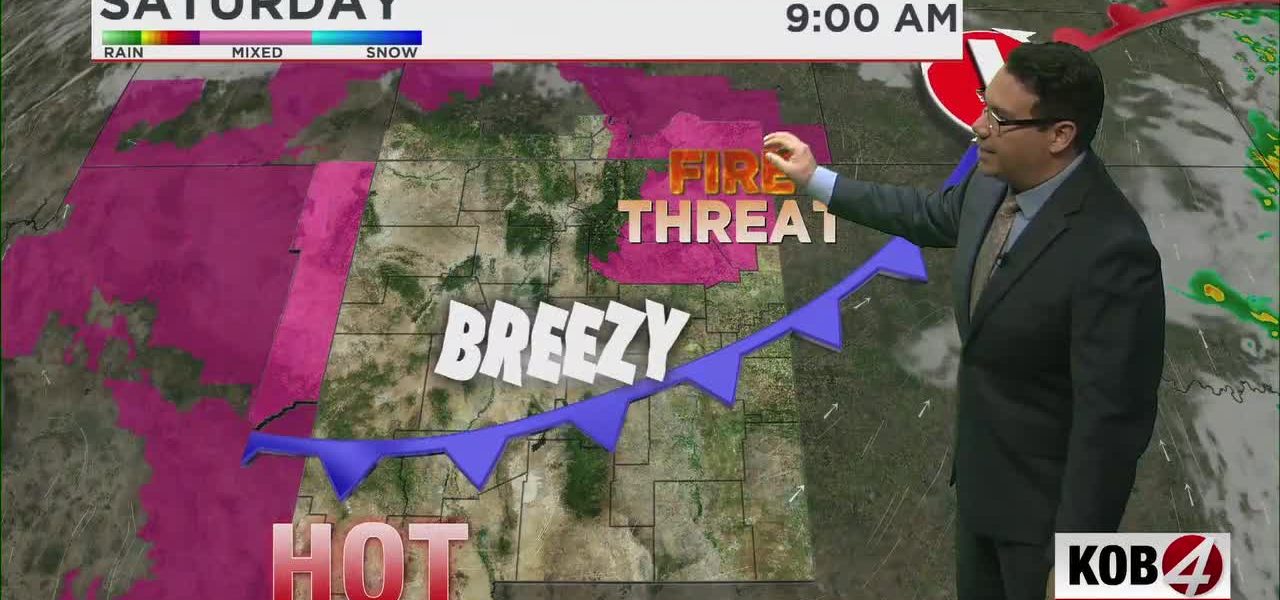
POLICY WIRE — ALBUQUERQUE, N.M. — It’s a dry heat, they say. But in New Mexico, that familiar refrain is beginning to ring with the grim cadence of an inescapable reality, not a mere seasonal comfort. While prognosticators murmur about ‘dry thunderstorms’ — a term almost designed to evoke a sense of uncanny dread — and a weekend forecast hinting at brutal triple-digit swelter, what we’re truly witnessing isn’t just weather. It’s a slow-motion policy collision, played out under a relentlessly baking sun, threatening an already parched landscape.
Because frankly, what the state’s experiencing isn’t an anomaly. It’s an intensifying pattern that hammers home the acute — and increasingly unaddressed — strains on everything from water reserves to public health infrastructure. These isn’t your grandma’s May. Temperatures across the state are projected to soar, often 5 to 15 degrees above the seasonal average for mid-May. Albuquerque, Roswell, Carlsbad—they’re all bracing for figures flirting with or exceeding 90 degrees, some pushing toward a scorching 100.
But the real kicker? Those ‘dry thunderstorms.’ Lightning without the ameliorating downpour. Instead, you get potential igniters for what officials fear will be an incendiary summer, all while winds, sometimes gusting at 40 mph, become the unwilling accelerants. It’s a formula for disaster, a self-defeating weather paradox.
“We’re not just fighting the heat; we’re fighting a systemic crisis of resource management and proactive climate adaptation,” laments State Senator Elena Valdez, a long-time advocate for environmental funding, her voice often echoing an unheard plea in Santa Fe. “Every forecast like this puts untold strain on our firefighting capabilities, our healthcare services for heat-related illnesses, and, yes, our already fragile electrical grid. It’s a slow bleed, fiscally and socially.” Her tone isn’t despairing, but it’s tired, reflecting years of battling against political inertia. And yet, the mercury rises.
This escalating inferno isn’t unique to the American Southwest, either. Such patterns – relentless heat, dwindling water, the ever-present specter of widespread infrastructural failure – are familiar themes played out with tragic regularity across the globe. Think Pakistan, for instance, a nation grappling with its own existential struggles against climate chaos, where extreme weather events routinely expose the limits of governance. Whether it’s devastating floods or prolonged heatwaves in Lahore, as detailed in reports from Lahore’s Vanishing Shadows: Volunteers Pick Up The Pieces Where State Fails, the challenges facing state capacities under environmental stress look alarmingly similar across continents. We’re in a global pressure cooker.
A recent study, compiled from data by the National Oceanic and Atmospheric Administration (NOAA), showed New Mexico has experienced a 0.5-degree Fahrenheit increase in average summer temperatures per decade over the past 30 years—a significant acceleration from previous periods. That’s not a fluctuation; that’s a trend, writ large across the desert.
📄 POLICY WIRE WHITEPAPER PUBLISHED: PAKISTAN'S NATIONAL SECURITY POLICY PRIORITIES
👉 READ BY CLICKING HEREGovernor Marcus Thorne’s press secretary, Jeremy Stone, offered a more tempered—some might say bureaucratic—assessment. “The Governor’s office is, of course, fully engaged with emergency management agencies,” Stone stated in a brief email exchange, perhaps a touch too promptly. “Our commitment to protecting the people of New Mexico from extreme weather impacts is unwavering. We’re ensuring state resources are allocated efficiently.” But efficient allocation for what, precisely, is the silent question that hangs heavy over the sun-scorched mesas. For a people accustomed to the desert’s stoic rhythm, this new, accelerated tempo of environmental adversity demands far more than just efficient resource distribution.
What’s genuinely alarming here is the escalating cadence of these events. We’re past the point of individual hot weekends being news; it’s the chronic, debilitating strain they represent. When heat records fall consistently, when ‘dry thunderstorms’ become commonplace threats, it signifies a broader environmental realignment.
What This Means
The intensifying heat — and the eerie phenomenon of dry thunderstorms aren’t merely inconveniences for New Mexicans. Politically, they accelerate the erosion of public trust in existing infrastructure and government’s ability to manage rapidly changing environmental conditions. It’s not just a debate over ‘green energy’ anymore; it’s about tangible preparedness, disaster relief budgets, and—perhaps most trenchantly—water rights. The economic implications are equally grim: increased healthcare costs from heatstroke and respiratory issues exacerbated by potential wildfires, diminished agricultural output due to persistent drought, and strains on energy grids from surging air conditioning demands. These costs, both direct and indirect, represent a fiscal chill for local councils and state coffers alike, forcing difficult choices—decisions that can mean cutting funding for projects like local recreation or splash pads as budgets tighten under environmental duress. For a state reliant on tourism, consistent images of a baking, burning landscape won’t do much for the travel brochures, either. The quiet, simmering rage over inadequate responses might be a slower burn than a wildfire, but it’s just as destructive in the long run.